Top 10 Vertical Lathes in China for Global Buyers Guide?
In the evolving landscape of industrial machinery, vertical lathes stand out for their precision and versatility. A recent report by MarketsandMarkets indicates that the global vertical lathe market is expected to grow at a CAGR of 4.8% from 2021 to 2026. This growth reflects increased demand across automotive and aerospace sectors. Understanding the top options available can help buyers make informed choices.
China's vertical lathe manufacturers have gained significant recognition in recent years. They offer advanced technology and competitive pricing. According to a survey by Statista, over 30% of global purchases in this category are directed towards Chinese suppliers. However, not all options are created equal. It's crucial to assess and compare features before making a decision.
Despite the advancements, challenges remain, such as quality consistency and post-purchase support. Buyers frequently express concerns about after-sales service. Addressing these factors is essential for achieving long-term satisfaction. Selecting the right vertical lathe involves careful consideration of both technical specifications and manufacturer reputation.
Overview of Vertical Lathes: Definition and Applications
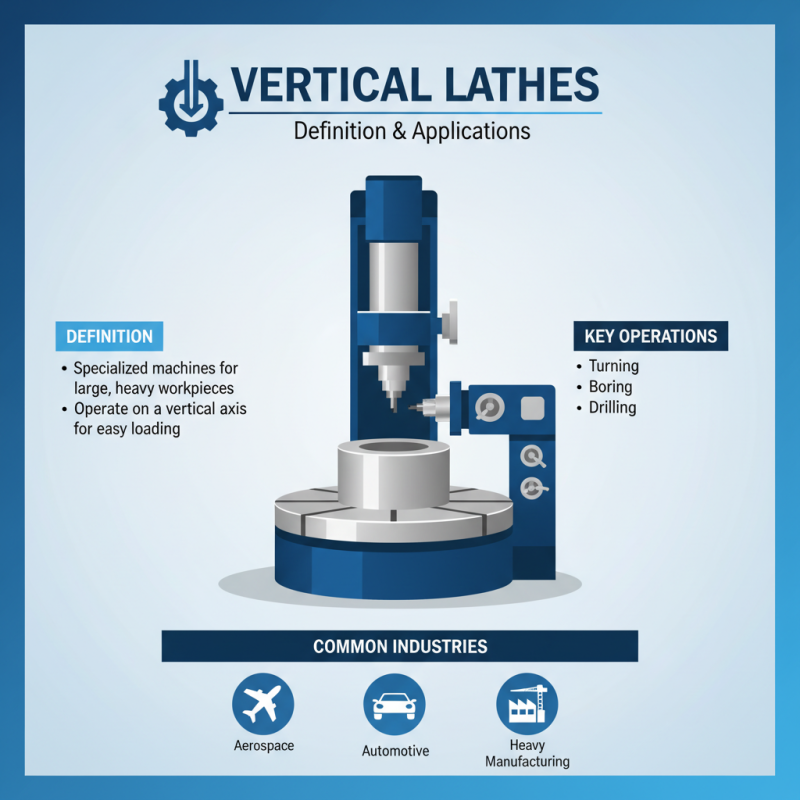
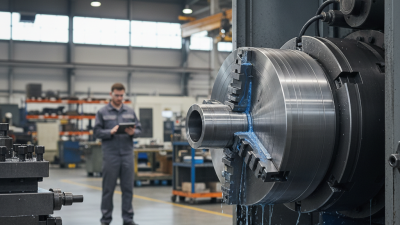
Vertical lathes are specialized machines designed for turning large and heavy workpieces. These machines operate on a vertical axis, allowing for easier loading and unloading of materials. They are ideal for machining operations such as drilling, boring, and turning. Industries like aerospace, automotive, and heavy manufacturing commonly use them.
The applications of vertical lathes are diverse. They handle parts like turbine components, large flanges, and gear housings. The vertical orientation allows gravity to aid in maintaining stability. However, maintaining precision can be challenging. Machinery wear and tear can affect accuracy over time. Operators must regularly calibrate equipment to ensure consistent results.
A key consideration in selecting a vertical lathe is its operational capacity. The size of the workpiece is crucial. Not all lathes accommodate large materials effectively. Understanding the specifications is vital for optimal use. Additionally, training is essential. Operators need to be skilled in machine functions. Knowledge gaps can lead to mistakes and safety hazards. Balancing experience and technical education is important in maximizing machine efficiency.
Key Features to Consider When Selecting a Vertical Lathe
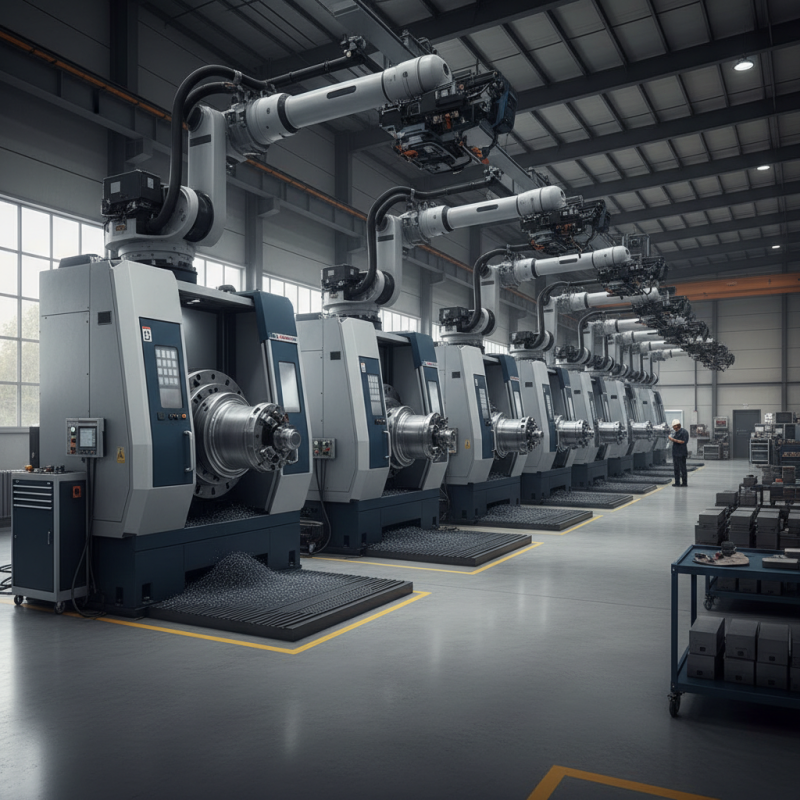
When selecting a vertical lathe, key features play a vital role. Focus on the machine's size and weight. Heavy machines offer stability and reduce vibration. This can lead to more precise machining. Investigate the spindle speed and power as well. Higher RPMs allow for efficient material removal. But remember, too much speed can lead to poor finish quality.
Tooling options are another critical aspect. Ensure the lathe supports interchangeable tooling. This increases versatility and usability across different projects. Check the control system as well. Modern CNC systems provide better accuracy and ease of use. However, they require proper training for effective operation.
Don't overlook safety features. Emergency stop buttons and protective covers are essential for safe usage. User-friendly interfaces enhance operational efficiency, but they can also introduce complications if too complex. A balance is necessary. As you evaluate these features, consider your specific needs. Reflect on the applications you intend to use the lathe for. Each project may demand different capabilities, complexity, and size.
Top 10 Vertical Lathe Manufacturers in China: An Introduction
In recent years, vertical lathes have gained tremendous popularity among manufacturers worldwide. China has emerged as a key player in producing these machines. The expertise of Chinese manufacturers is noteworthy. They offer a wide range of vertical lathes that cater to different industries, from automotive to aerospace. These machines provide high precision and durability, which are essential for modern manufacturing processes.
However, not all manufacturers are equal. Buyers must carefully evaluate their options. Some companies may focus solely on cost, sacrificing quality. Others might prioritize advanced technology but neglect service support. Identifying a manufacturer that balances both aspects is crucial. Product offerings vary greatly in terms of specifications, performance, and after-sales service, which can significantly impact long-term satisfaction.
Moreover, customer feedback should be considered. Real experiences can highlight potential issues. Some users report malfunctions after a short period. Others praise outstanding support and reliability. By gathering comprehensive information, buyers can make informed decisions. This approach will lead to better investments and ensure smooth production processes.
Comparative Analysis of Specifications and Pricing
When exploring the top vertical lathes in China, a detailed comparative analysis of specifications and pricing is essential. Buyers often look for cutting-edge features like spindle speed, tool capacity, and machine weight. For instance, a higher spindle speed translates to greater efficiency in machining processes. One must evaluate how these specifications align with specific operational requirements.
Pricing can vary significantly among models. It's crucial to consider not just the initial cost but also long-term maintenance expenses. Some machines may offer lower upfront prices but require costly repairs later. Buyers should weigh these factors carefully. A thorough understanding of the total cost of ownership is vital when making a final decision.
Tip: Before making a purchase, request a detailed quote. This should include both the price and potential shipping costs.
Investing in a vertical lathe can be daunting. Some models may look appealing but lack robust support services. Researching post-sale support is essential. This includes available spare parts and technical assistance.
Tip: Always reach out to other users about their experiences. This can save time and money down the road.
It’s important to remain open to unexpected challenges, such as adapting to new technology. Some lathes may require extensive operator training. Evaluating your team's capabilities now can prevent future setbacks.
Importance of After-Sales Support and Maintenance Services
When considering vertical lathes, after-sales support and maintenance services are crucial for global buyers. A recent industry report from the Machinery Manufacturers Association indicates that nearly 70% of machine downtime stems from inadequate maintenance. This highlights the importance of reliable support post-purchase.
Responsive service teams can significantly reduce downtime. Yet, many companies overlook this aspect. Without prompt assistance, minor issues can escalate into major problems. A study also suggests that 60%% of buyers reported unsatisfactory maintenance experiences, impacting their operations. This underscores the necessity for a trustworthy after-sales service network.
Moreover, comprehensive maintenance plans can extend machine lifespan. Effective maintenance can improve efficiency by up to 30%. Buyers should prioritize suppliers that offer extensive training and support. This proactive approach can prevent unexpected failures and ensure smooth operations in the long run. However, not all suppliers meet these standards. Buyers must conduct thorough research to avoid potential pitfalls.