2026 Best Vertical Lathe Options for Precision Machining?
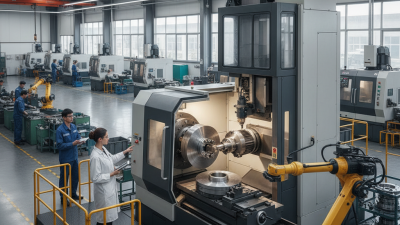
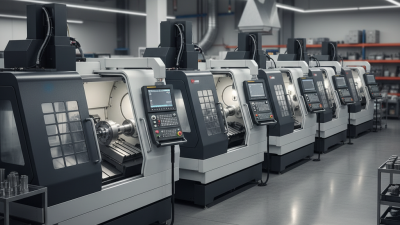
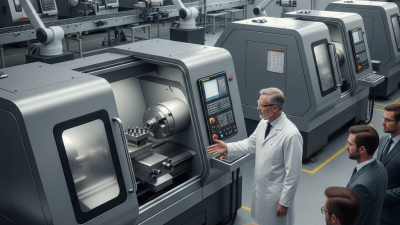
When it comes to precision machining, the choice of tooling can significantly impact the quality of the output. Vertical lathes are recognized for their efficiency and accuracy in handling various materials. As industries evolve, selecting the best vertical lathe becomes crucial for manufacturers.
In 2026, the market for vertical lathes has introduced impressive options. Various manufacturers offer features that cater to specific machining needs. However, it’s important to understand not just the specifications, but also the nuances of each model. Are they easy to operate? How do they perform under pressure?
Exploring these machines involves evaluating different models, each with unique strengths. Some may excel in speed, while others focus on achieving finer details. A well-informed decision can lead to enhanced productivity and reliability in operations. Choosing the right vertical lathe means looking beyond just the price tag; one must consider operational efficiency and long-term performance.
Overview of Vertical Lathes and Their Applications in Precision Machining
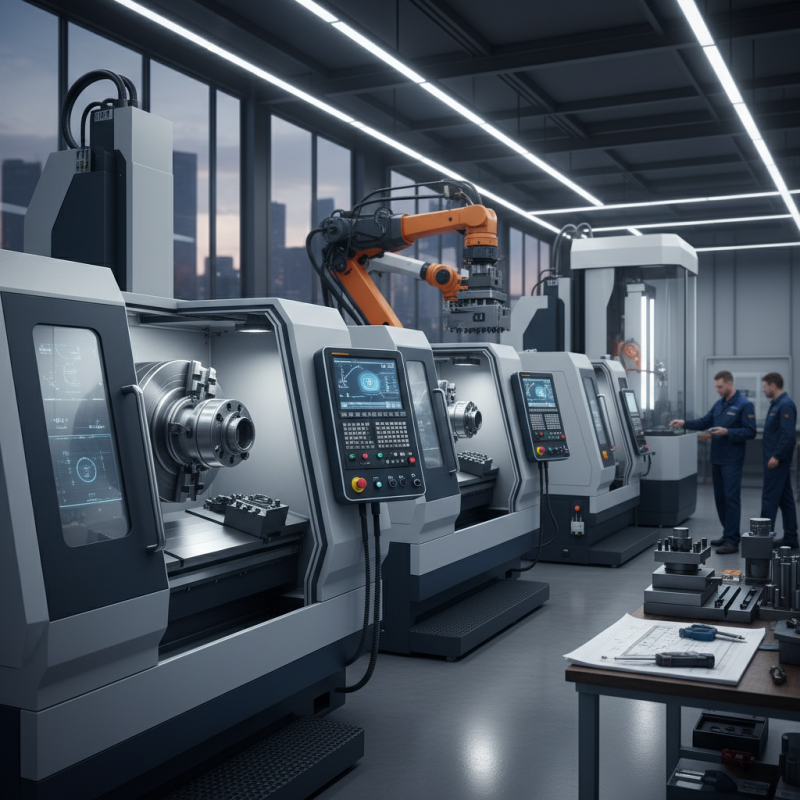
Vertical lathes play a vital role in precision machining. Their design allows for efficient clamping and machining of large, heavy workpieces. This capability is essential in industries like aerospace and automotive, where precision is non-negotiable. Reports indicate that nearly 40% of precision machining operations benefit from the use of vertical lathes, highlighting their importance in manufacturing processes.
These machines excel in creating intricate shapes and achieving tight tolerances. The ability to perform multiple operations—turning, drilling, and milling—in a single setup improves efficiency and reduces the risk of errors. In precision machining, even a slight deviation can compromise the integrity of a component, making vertical lathes an indispensable tool. However, operators must remain mindful of their setup and calibration. Misalignment can lead to significant defects, which may require extensive rework.
Despite their many advantages, vertical lathes are not without challenges. Maintenance is crucial to ensuring long-term performance. Regular inspection of components, such as bearings and drive systems, is necessary to avoid unexpected breakdowns. Industry data suggests that even minor neglect can lead to costly downtime. Thus, continuous training for operators and scheduled maintenance routines should be prioritized to maximize the machine's capabilities.
Key Features to Consider When Choosing a Vertical Lathe
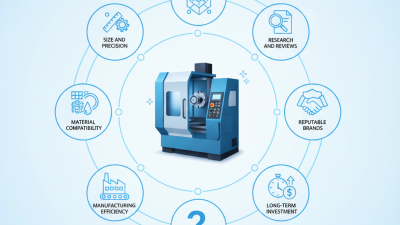
When selecting a vertical lathe for precision machining, certain key features play a vital role. One significant aspect is the spindle speed. Studies show that higher spindle speeds lead to improved surface finish and reduced machining times. A spindle speed of 600 to 2000 RPM is often recommended for various materials, enhancing efficiency in the manufacturing process.
Another crucial factor is the machine's rigidity. Rigidity influences the stability and accuracy of machining operations. A well-designed vertical lathe with enhanced rigidity can minimize vibrations, ensuring consistent cutting depths. A report from the Precision Machining Institute indicated that rigidity can improve machining accuracy by up to 30%. This attribute is essential for high-tolerance projects.
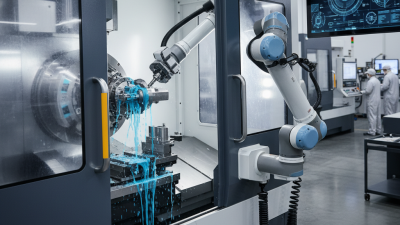
Additionally, tool change capabilities should not be overlooked. Fast and easy tool changes can greatly affect productivity. Advanced vertical lathes feature automatic tool changers, allowing quicker transitions between operations. However, reliance on automation may introduce potential failure points. Regular maintenance and monitoring are necessary to ensure reliable functionality, which some users may find challenging. Balancing these considerations can lead to optimal performance in precision machining.
Top Brands and Models of Vertical Lathes for 2026
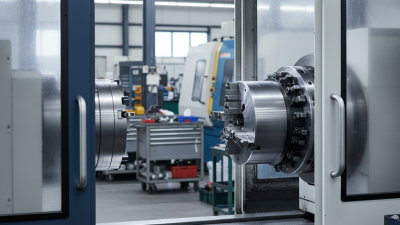
When evaluating vertical lathes for precision machining in 2026, several key factors come into play. It's crucial to focus on the overall design and build quality. A robust frame contributes to stability during operation. The dimensions of the working table matter too. A larger table can accommodate bigger workpieces, enhancing versatility.
Top brands typically integrate advanced technology in their models. Features such as automatic tool changers and programmable controls boost efficiency. However, not all machines are user-friendly. Some may have steep learning curves, which can hinder productivity initially.
Service and support from manufacturers should also be considered. Reliable after-sales support often ensures smoother operations. Maintenance requirements might vary significantly across models. Some machines demand more frequent check-ups than others. This could become a costly issue. Balancing precision with user-friendliness and long-term support will aid in choosing the right vertical lathe.
2026 Best Vertical Lathe Options for Precision Machining
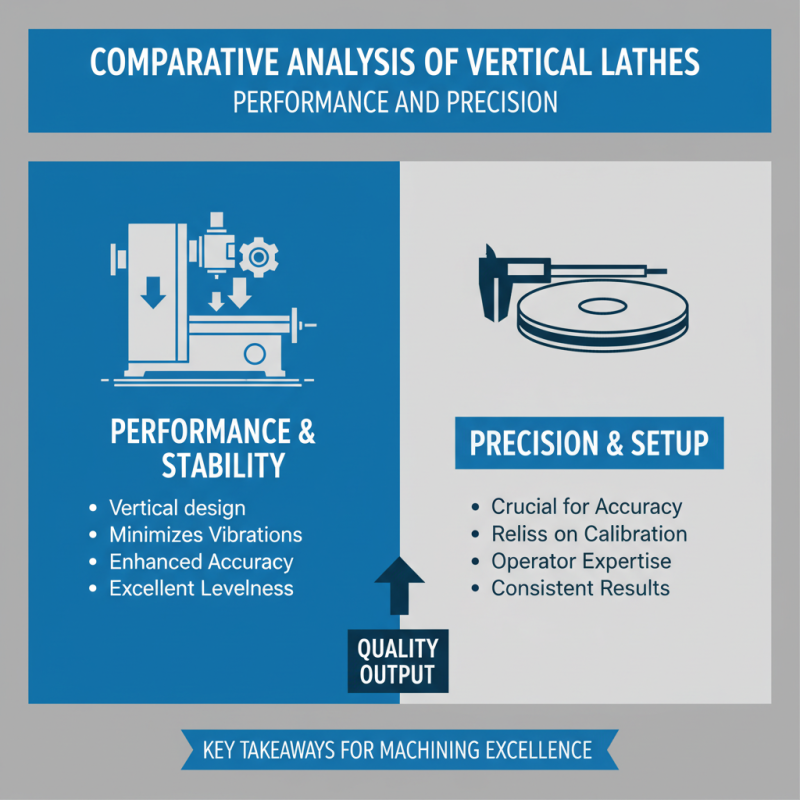
Comparative Analysis of Vertical Lathes: Performance and Precision
When evaluating vertical lathes for precision machining, performance is a key aspect. Vertical lathes excel in stability. This design minimizes vibrations during operations. Thus, it enhances the accuracy of the finished product. Many operators report remarkable levelness in their machined components. Yet, the effectiveness heavily relies on the machine's setup and calibration.
Precision, however, is not just reliant on machinery. The skill of the operator plays a significant role. An inexperienced operator may overlook essential calibration steps. This can lead to imperfections that affect the end result. It's crucial to create a well-documented setup process. Gradually refining techniques can lead to improved outcomes.
Choosing the right vertical lathe involves careful consideration of various factors. Users should prioritize machine rigidity and tooling options. The intricacies of specific machining tasks dictate these choices. While vertical lathes offer distinct advantages, ongoing training and evaluation are equally important. Mistakes can happen, but learning from them enhances overall efficiency and product quality.
Maintenance and Best Practices for Vertical Lathes in the Workshop
Vertical lathes are essential in precision machining. Regular maintenance is crucial to ensure optimal performance. Dirt and debris can build up, affecting accuracy. Regularly check and clean the machine to avoid this issue.
Tips: Inspect the lubrication system frequently. Ensure oil levels are adequate. This prevents wear on moving parts. Pay attention to spindle bearings. Unusual noises may indicate a problem.
Proper alignment is vital for precision. Misalignment can lead to costly mistakes. Regularly use alignment tools to maintain accuracy. Consider training for operators. Knowledgeable staff can enhance efficiency.
Lastly, always document maintenance activities. This practice helps track the machine's performance over time. Review these records to identify patterns. Learn from past issues to improve future performance.
2026 Best Vertical Lathe Options for Precision Machining
| Model |
Max Swing (inches) |
Spindle Speed (RPM) |
Motor Power (HP) |
Weight (lbs) |
Price Range ($) |
| Model A |
12 |
1800 |
15 |
1500 |
8000 - 10000 |
| Model B |
14 |
2000 |
20 |
1800 |
12000 - 15000 |
| Model C |
16 |
2200 |
25 |
2000 |
15000 - 18000 |
| Model D |
18 |
1600 |
30 |
2200 |
20000 - 25000 |