How to Use a CNC Lathe for Precision Machining Techniques?
In the world of precision machining, mastering the use of a CNC lathe is essential. Renowned industry expert, John Smith, states, "A CNC lathe can unlock new precision levels if used correctly." Understanding the operational intricacies can vastly improve machining outcomes.
CNC lathes are pivotal in turning raw materials into intricate parts. They can automate complex designs, which significantly enhances efficiency. However, achieving accurate results requires knowledge and experience. The technology may seem straightforward, yet its nuances often challenge newcomers. Recognizing these challenges is part of the learning curve.
Familiarity with the CNC lathe’s programming and settings is critical. Missteps in setup can lead to costly errors. Each tool path must be meticulously planned and tested. As you grapple with these details, reflection on your methods is beneficial. Continuous improvement is key in this intricate field of machining.

Understanding CNC Lathe Basics for Precision Machining
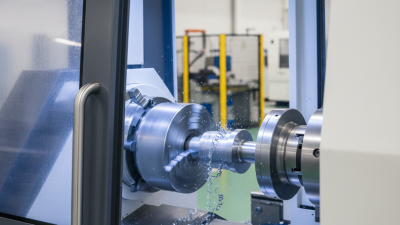
Understanding CNC lathe basics is essential for any precision machining project. A CNC lathe automates the process of shaping materials, such as metal or plastic. This tool rotates the workpiece against a stationary cutting tool. The result is highly accurate parts, made to exact specifications. Mastering the basics of CNC lathes opens up possibilities for intricate designs and efficient production.
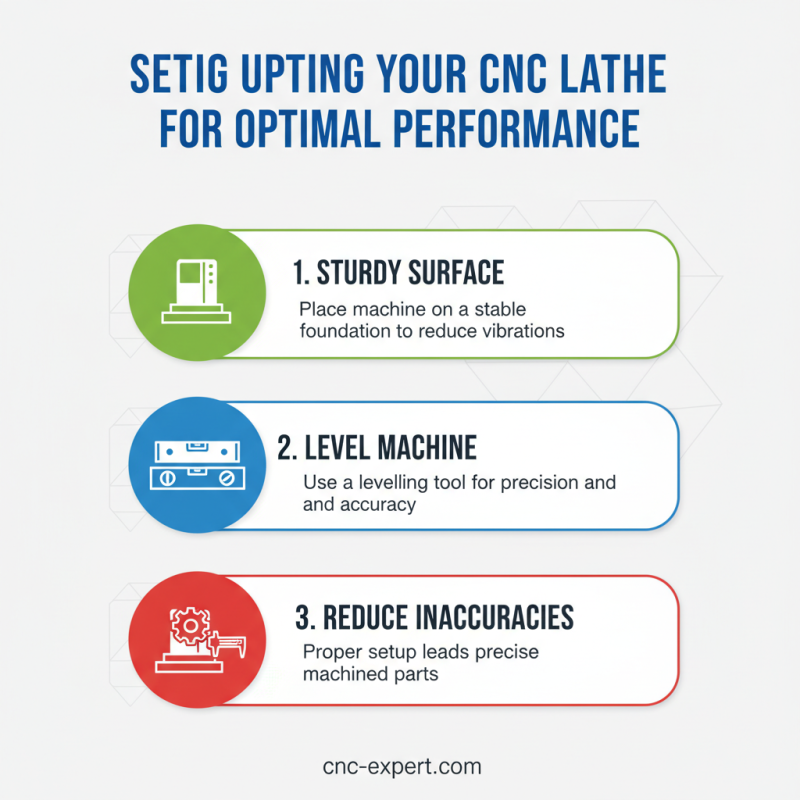
Setup is crucial for success. Properly configuring the CNC lathe involves several steps. First, always secure your workpiece firmly. Then, input the correct parameters into the machine. Mistakes in settings can lead to wasted materials or flawed pieces. Familiarize yourself with the controls and software, as they can vary between machines. Each detail matters when aiming for precision.
Common issues arise even for experienced operators. Sometimes, the cutting tool dulls faster than expected. This requires frequent checks and replacements. Additionally, not all materials behave the same. Some may require adjustments in speed or cutting depth. Thus, honing your skills is a continuous journey. Learning from every project helps improve your techniques over time. Embrace the learning process, and don't hesitate to experiment.
Selecting the Right Cutting Tools for CNC Lathe Operations
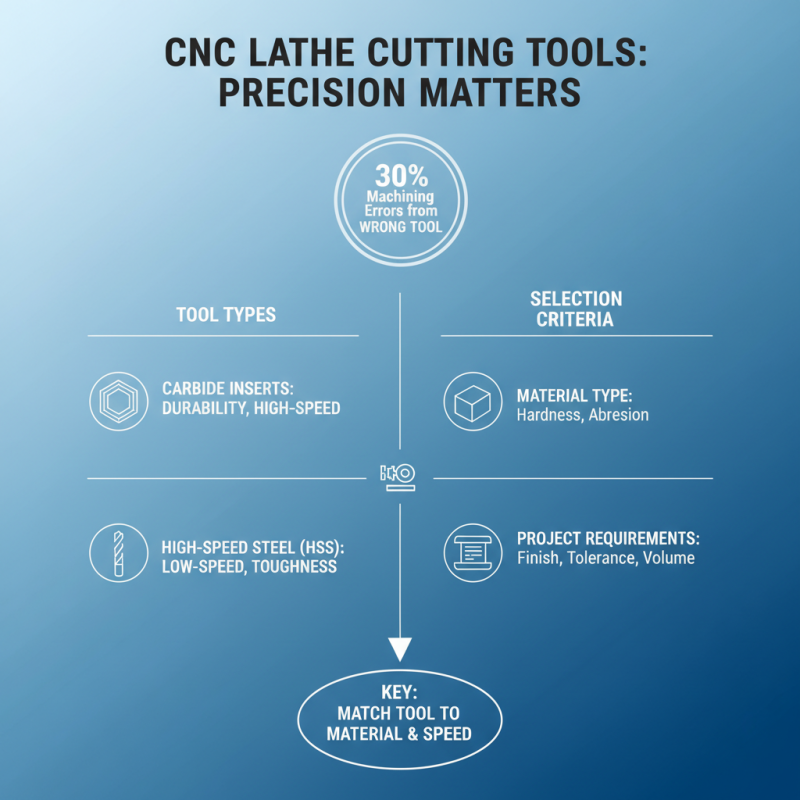
Selecting the right cutting tools for CNC lathe operations is crucial for achieving precision in machining. According to the 2022 Industry Report on Cutting Tools, about 30% of machining errors stem from improper tool selection. Understanding the materials and requirements of your project will inform your choice of tools. Carbide inserts are popular due to their durability, but high-speed steel tools may be appropriate for certain applications, especially in low-speed operations.
Tips: Always match the cutting tool with the material. For example, use ceramic tools for hard materials to enhance longevity.
Tool geometry plays a large role in performance. The tool's shape, rake angle, and clearance significantly affect cutting efficiency. Studies show that a positive rake angle can reduce cutting forces by 20%. However, the right geometry often depends on the specific task. Consider testing various tools to find the best fit for your needs.
Tips: Monitor tool wear closely. Subtle changes can lead to poor finishing and increased scrap rates.
As you experiment, don't be afraid to reflect on your choices. Not all tools will yield perfect results, and some setups may perform better than expected. Document your findings to create a reliable reference for future projects.
Programming Techniques for Enhanced Precision on CNC Lathes
Programming a CNC lathe for enhanced precision requires a deep understanding of machining principles. Operators should familiarize themselves with G-code, the programming language used in CNC lathes. This code controls the machine’s movement and executes the desired machining actions. A well-structured program enhances the accuracy of cuts, ensuring that each piece meets tight tolerances.
Tips for precise programming: always double-check your code for errors before running it. Even small mistakes can lead to significant inaccuracies. Use simulation software to visualize the machining process. This allows you to identify potential issues without wasting material or time. When adjusting feed rates or spindle speeds, remember that slower speeds often result in better surface finish.
Consider the toolpath strategy. Using efficient toolpaths reduces machining time and enhances accuracy. However, complex paths might confuse even experienced operators. A balance between simplicity and efficiency is essential. Regularly update your knowledge by attending workshops or online courses about advanced programming techniques. Continuous learning keeps you competitive in the precision machining field.
Precision Machining Techniques with CNC Lathes
Maintenance Practices to Ensure Long-lasting CNC Lathe Efficiency
Proper maintenance of a CNC lathe is crucial for achieving optimal performance in precision machining.
Regular inspections are essential. Check for wear and tear on moving parts. Small issues can escalate if neglected.
Lubrication should be performed according to the manufacturer's guidelines. Over-lubricating can attract dust, creating more problems.
Tool alignment is another area to focus on. Regular calibration ensures that each component is functioning correctly.
Tools should be sharp and free from damage. Dull tools not only affect precision but can also damage the machine.
Create a routine to check the condition of the tools. This proactive approach minimizes downtime.
Cleaning the CNC lathe is equally important.
Chips and debris can hinder performance. Make it a habit to clear the workspace after each use.
This practice fosters a safer and more efficient environment.
However, it’s easy to overlook regular cleaning. Stay disciplined in your approach.
Neglecting these maintenance practices can lead to significant operational issues down the line.