Why Choose a Vertical Lathe Machine for Your Manufacturing Needs?
In the fast-paced world of manufacturing, selecting the right machinery is crucial. A Vertical Lathe Machine stands out for its precision and efficiency. Industry expert John Smith, a leading figure in precision engineering, once said, "Vertical lathes offer unmatched stability and accuracy in machining." This statement encapsulates the primary benefits of using a Vertical Lathe Machine, namely, its ability to handle large workpieces while maintaining high tolerance levels.
As manufacturing demands evolve, companies must adapt to stay competitive. A Vertical Lathe Machine provides the versatility needed for various applications, from automotive to aerospace. Its design allows for easy access to workpieces, improving operator efficiency and workflow. However, evaluating whether a Vertical Lathe Machine is suitable for your operations requires careful consideration. Potential limitations, such as costs and maintenance needs, should not be overlooked.
Ultimately, investing in a Vertical Lathe Machine is about aligning technology with your specific manufacturing goals. While the advantages are clear, each operation has unique requirements. Reflecting on your current setup and future aspirations is essential. The right choice can significantly impact productivity and precision, shaping the future of your business.
Benefits of Vertical Lathe Machines in Modern Manufacturing
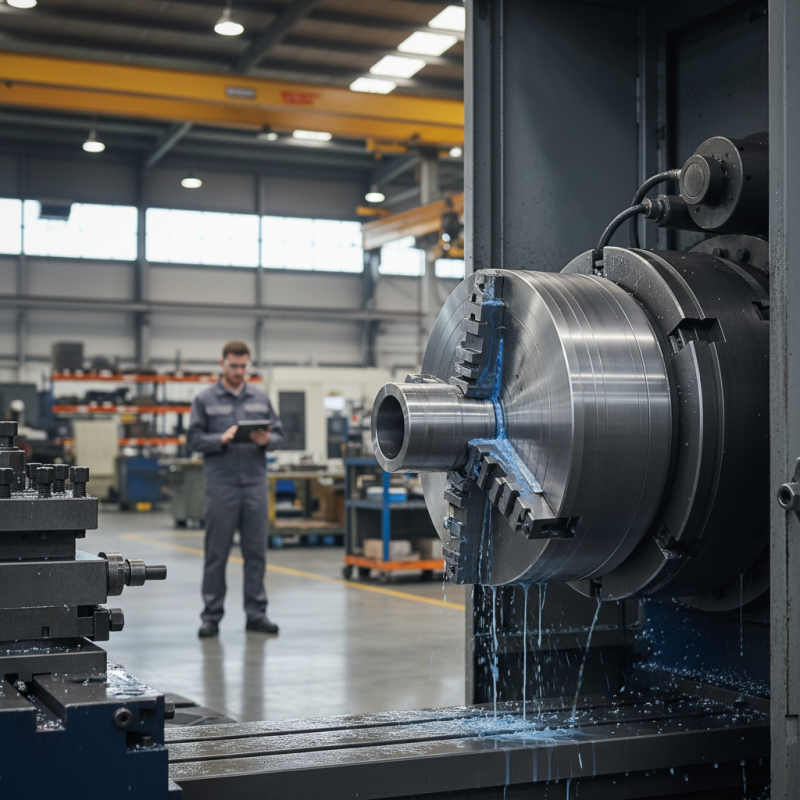
Vertical lathe machines have become a staple in modern manufacturing due to their numerous advantages. They offer efficient machining for large, heavy, and difficult-to-handle workpieces. According to a report by Industry Insights, the vertical lathe market is expected to grow by 5% annually through 2025. This growth underscores the increasing reliance on these machines across sectors such as aerospace and automotive.
One notable benefit of vertical lathes is their enhanced chip removal capability. The vertical orientation allows gravity to assist in the expulsion of debris, reducing downtime for maintenance. This efficiency can translate into increased productivity—up to 30% in some operations. Additionally, their smaller footprint compared to horizontal lathes allows manufacturers to maximize factory floor space, an essential factor in today’s lean manufacturing environments.
However, it’s worth considering the limitations of vertical lathes. While they excel in certain applications, they may not be the best choice for intricate machining tasks. Some operators report a learning curve when adapting traditional machining techniques to vertical setups. This highlights the importance of skilled labor and ongoing training to harness the full potential of this technology. Balancing these factors can lead to a more informed decision on whether a vertical lathe machine is right for your operation.
Why Choose a Vertical Lathe Machine for Your Manufacturing Needs? - Benefits of Vertical Lathe Machines in Modern Manufacturing
| Feature |
Description |
Benefits |
| Space Efficiency |
Vertical lathes are compact and occupy less floor space compared to horizontal lathes. |
Ideal for manufacturing environments with limited space. |
| Ease of Use |
User-friendly controls and programming reduce the learning curve for operators. |
Faster training times and improved productivity. |
| Versatility |
Can handle a variety of materials and different sizes of workpieces. |
Suitable for diverse manufacturing needs. |
| Reduced Setup Time |
Quick changeover capabilities allow for faster production runs. |
Increases overall production efficiency. |
| Enhanced Stability |
Vertical orientation allows for better rigidity and stability during machining. |
Improves machining accuracy and surface finish. |
Key Features of Vertical Lathes and Their Applications
Vertical lathe machines are gaining popularity in modern manufacturing. Their unique design allows for efficient machining of large and heavy workpieces. According to industry reports, vertical lathes can enhance productivity by up to 30% compared to traditional horizontal lathes. This is primarily due to their streamlined work flow and better accessibility to the workpiece, which reduces setup time.
Key features of vertical lathes include their ability to handle various materials. They excel at turning, facing, and boring operations. A vertical lathe can manage parts weighing several tons, making it indispensable in industries like aerospace and automotive. The average cutting speed is also higher, averaging around 150-200 feet per minute, which increases output.
Despite their advantages, vertical lathes are not without challenges. Operators must be trained to utilize these machines effectively. In some cases, improper setup can lead to inaccuracies, which may result in costly waste. Additionally, ongoing maintenance is crucial to ensure these machines operate optimally and avoid downtime in production environments. Thus, manufacturers must weigh the benefits against the complexities involved in using vertical lathes.
Vertical Lathe Machine Applications and Features
Comparative Analysis: Vertical vs. Horizontal Lathe Machines
Vertical lathe machines offer distinct advantages compared to their horizontal counterparts. In a vertical setup, gravity aids in material handling, enhancing safety and efficiency. This configuration allows for easier loading and unloading of heavy workpieces. Moreover, vertical lathes save floor space, making them ideal for facilities with limited room. The ability to access parts from multiple angles can also improve precision during machining.
However, horizontal lathe machines have their own set of benefits. They excel in various applications requiring high-volume production. The horizontal design facilitates longer machining operations without interruptions. Operators often prefer their intuitive setup for long workpieces. Nevertheless, maintaining an organized space becomes more challenging.
Both lathe types have unique strengths and weaknesses. The decision often hinges on specific manufacturing needs. Evaluating production volume, item weight, and available space is crucial. Each scenario warrants thoughtful consideration. While vertical lathes might seem superior in some aspects, the choice ultimately depends on the intended use.
Choosing the Right Vertical Lathe for Your Production Requirements
When considering a vertical lathe for manufacturing, understanding your production requirements is vital. Vertical lathes are designed for high precision and efficiency. According to a 2022 industry report, about 70% of manufacturers prefer vertical lathes for large components due to their stability and ease of setup. The design allows for better chip management and shorter cycle times, creating a more efficient workflow.
Selecting the right vertical lathe involves assessing various factors. The size of the workpieces and the materials used are crucial. For instance, components over 1 meter in diameter require specific models to ensure accurate machining. While many models claim to handle heavy loads, some may fall short in rigidity, leading to errors. Understanding the mechanical limits of your chosen machine is essential to avoid costly mistakes.
Additionally, the integration of automation technology is becoming prevalent. A recent study noted that 40% of manufacturers that upgraded to automated vertical lathes increased productivity by 30%. However, not all automation systems operate seamlessly with existing setups, which may lead to integration challenges. This underlines the need for thorough research and expert consultations when making your choice.