Why Choose Vertical Machines for Your Manufacturing Needs?
In today's competitive manufacturing landscape, companies face critical decisions. Vertical Machines are emerging as powerful tools for enhancing efficiency. According to a recent report by Market Research Future, the vertical machining center market is expected to grow at a CAGR of 4.5% from 2022 to 2027. This growth indicates a clear trend in the industry towards advanced vertical solutions.
Vertical Machines offer several advantages, including improved precision and space efficiency. They can minimize manpower costs while providing high-quality finishes. However, some manufacturers may overlook the initial investment needed for these machines. This hesitation could lead to missed opportunities for productivity gains.
Industry experts emphasize the importance of adopting new technologies to remain competitive. A study conducted by the Association for Manufacturing Technology found that 70% of manufacturers that integrated vertical machining reported substantial improvements in turnaround times. Investing in Vertical Machines could yield significant returns, transforming operations and meeting increasing customer demands.
Understanding Vertical Machines in Manufacturing
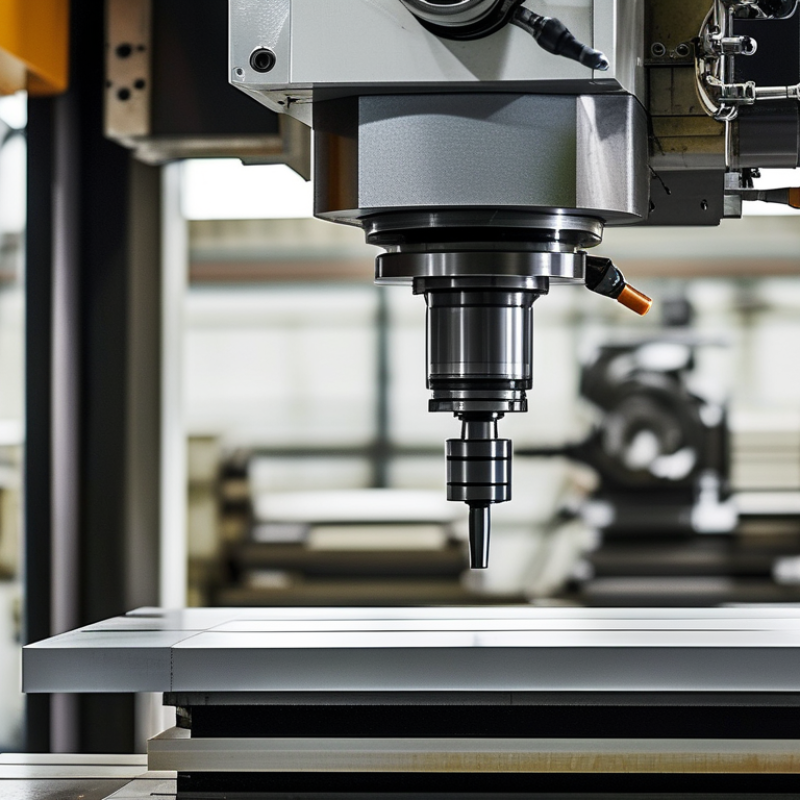
Vertical machines play a crucial role in modern manufacturing. These machines are designed to deliver precision and efficiency. They excel in a variety of applications, from machining complex parts to performing intricate operations.
One key advantage of vertical machines is their ability to provide easy access to the workpiece. This accessibility simplifies the setup process and enhances visibility during operations. Operators find it easier to monitor production, ensuring quality control throughout. However, there is a common pitfall: manufacturers may underestimate the importance of regular maintenance. Neglecting upkeep can lead to unexpected breakdowns and decreased productivity.
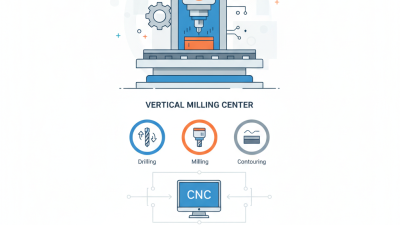
Another notable feature is the versatility of vertical machines. They can handle multiple tasks, from milling to drilling. This adaptability allows manufacturers to diversify their production capabilities. Yet, not all vertical machines are created equal. Choosing the right one requires careful consideration of specific manufacturing needs and potential limitations. Balancing the need for advanced technology with practical application can be challenging.
Why Choose Vertical Machines for Your Manufacturing Needs? - Understanding Vertical Machines in Manufacturing
| Dimension |
Vertical Machine Type |
Applications |
Advantages |
Limitations |
| Size |
Vertical Machining Center |
Aerospace Components |
High precision and detail |
Higher setup time |
| Speed |
Vertical Mill |
Prototype Parts |
Faster processing times |
Limited to certain types of cuts |
| Accuracy |
Vertical Lathe |
Heavy Machinery Parts |
Excellent for cylindrical work |
Not versatile for all designs |
| Cost |
Vertical CNC Machine |
Custom Tooling |
Cost-effective for small runs |
Higher initial investment |
Advantages of Vertical Machines Over Horizontal Machines
Vertical machines offer several advantages over their horizontal counterparts, making them a preferred choice in many manufacturing scenarios. One major benefit is the efficient use of space. Vertical machines often have a smaller footprint. This allows manufacturers to maximize their workshop layout. The vertical orientation also facilitates better chip removal. This can lead to enhanced machining performance and increased tool longevity.
The setup process for vertical machines tends to be more straightforward. Operators can easily access the work area. This reduces downtime and enhances productivity. Additionally, vertical machines are often more affordable. They typically require less power. This can result in lower operating costs over time. However, some might argue that vertical machines are not suitable for every task. Complex components may still require horizontal machining for optimal results.
Moreover, vertical machines are generally easier to maintain. They have fewer moving parts compared to horizontal machines. This leads to reduced wear and tear, promoting reliability. It is worth noting that while they excel in certain areas, vertical machines may fall short in handling larger workpieces. Reflecting on this, it’s vital for manufacturers to consider their specific needs before making a decision. Balancing the advantages and limitations can ultimately guide the best choice for any manufacturing environment.
Applications of Vertical Machines in Various Industries
Vertical machines have found their place in numerous industries due to their versatility and precision. In manufacturing, sectors like automotive and aerospace rely on these machines for part fabrication. They allow for complex geometries and tight tolerances. With their ability to handle heavy workpieces, vertical machines excel in producing components that require durability.
In the medical industry, these machines are crucial for creating custom implants and surgical tools. The precision they provide leads to better patient outcomes. However, the challenge lies in ensuring consistency across production batches. Any variability can affect functionality. Moreover, in the electronics sector, vertical machines are key in assembling circuit boards and other intricate components. Their compact design helps in optimizing workspace and efficiency.
Despite their advantages, vertical machines do pose some issues. For instance, the initial setup can be time-consuming. Operators need to be well-trained to minimize errors. Maintenance is also essential to avoid downtime that can impact production. Industries must weigh these challenges against the benefits to make informed decisions about their manufacturing processes.
Key Features to Consider in Vertical Machines
When considering vertical machines for manufacturing, several key features stand out. Precision is paramount. Studies indicate that vertical machining centers achieve up to 0.001mm accuracy. This precision is vital for industries like aerospace and medical devices, where tolerances are tight. Manufacturers rely on this accuracy to maintain quality and reduce waste.
Another important feature is the machine's versatility. Vertical machines can accommodate various materials, including metals, plastics, and composites. This adaptability allows manufacturers to streamline production processes and minimize downtime. Reports show that facilities using versatile machines can increase output by 30%.
However, it's crucial to evaluate the machine's ease of use. Complex operations can lead to operator errors and decreased productivity. Despite advanced technology, some vertical machines require significant training. This can be a barrier for smaller companies. Operators need efficient and intuitive interfaces to maximize their potential. Balancing advanced features with simplicity can be challenging yet necessary for success.
How to Choose the Right Vertical Machine for Your Needs
Choosing the right vertical machine for your manufacturing needs requires careful consideration. Start by assessing your specific production requirements. Understand the materials you will be working with. This information helps determine the machine's capabilities. If you plan to work with hard metals, make sure your chosen machine can handle that.
Next, evaluate the space available in your facility. Vertical machines come in various sizes. Measure your workspace accurately before making a decision. It’s essential to ensure that there is enough room for operation and maintenance. Consider the workflow as well. How will the machine fit into your existing setup?
Finally, think about the support you will require. Training for your operators can be crucial. Some machines have complex features that may need professional guidance. Assess whether your team has experience operating vertical machines. If not, you might need additional training. Keep these factors in mind; they can help you make an informed choice.