2026 Best Vertical Milling Center Reviews and Buying Guide?
In the world of manufacturing, the Vertical Milling Center holds a pivotal role. By 2026, the demand for these machines is projected to grow significantly. Industry reports estimate an annual growth rate of 4% in the global vertical machining center market. This growth reflects the increasing need for precision engineering across various sectors, including automotive and aerospace.
Vertical Milling Centers are essential for achieving high accuracy in complex part production. They excel in tasks like drilling, milling, and contouring, making them versatile tools in machine shops. However, not all machines are created equal. Buyers often face challenges when selecting the right vertical milling center due to the overwhelming number of options. Many machines lack comprehensive features, impacting their effectiveness.
Understanding the right specifications is crucial. Factors such as spindle speed, worktable size, and control software significantly influence performance. A miscalculation in choosing the wrong model can lead to inefficiencies. Thus, a buying guide can serve as a valuable resource. It will provide insights into the best vertical milling centers available, ensuring informed decision-making.
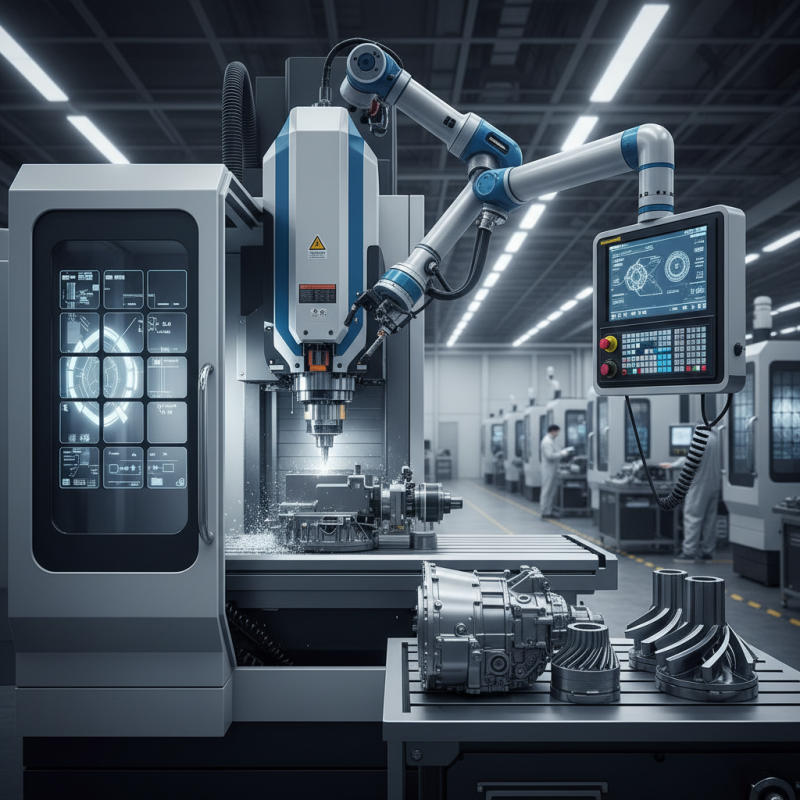
Overview of Vertical Milling Centers and Their Importance in Manufacturing
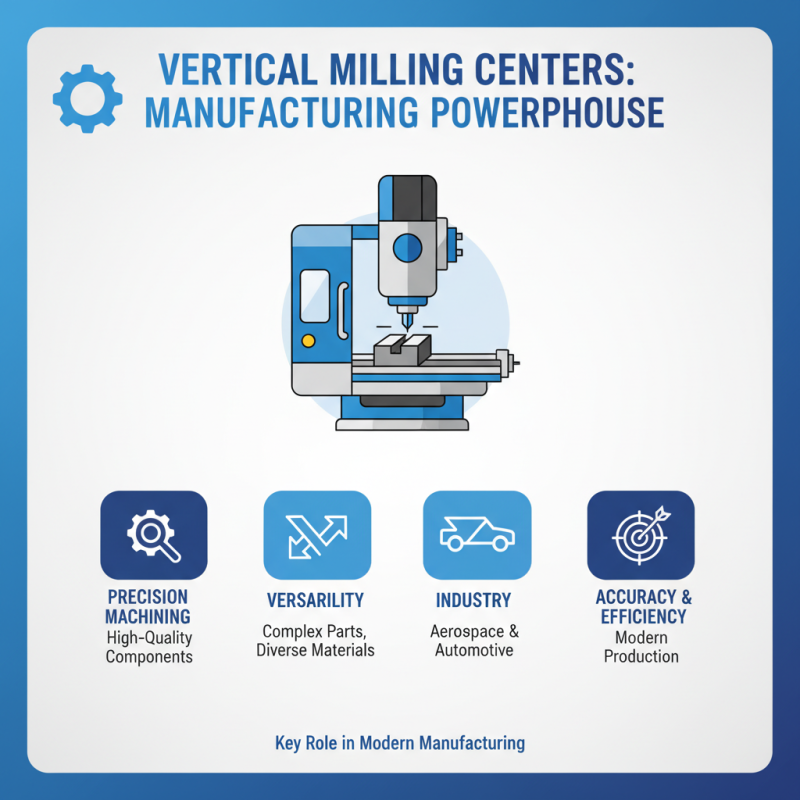
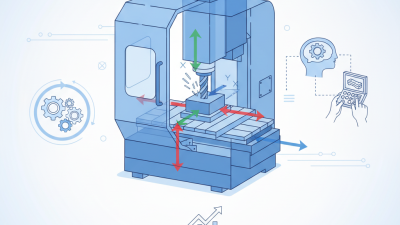
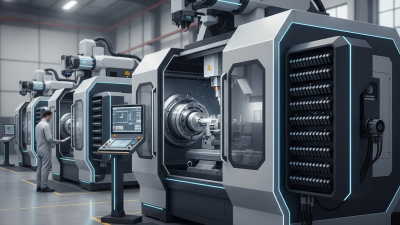
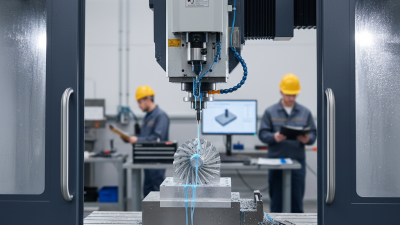
Vertical milling centers play a crucial role in modern manufacturing. They enable precise machining of various materials, contributing to the production of high-quality components. Their versatility allows manufacturers to handle complex parts efficiently. In industries ranging from aerospace to automotive, these machines are vital for achieving accuracy in production.
The importance of vertical milling centers cannot be overstated. They enhance productivity by reducing setup times and increasing operational efficiency. However, not all centers are created equal. Some may struggle with specific materials or complex geometries. It's essential for manufacturers to assess their needs carefully. Selecting the wrong equipment can lead to unexpected downtime or quality issues.
Machining processes must evolve continuously. Newer models may offer advancements, but they also require adaptation. Operators must be sufficiently trained to maximize these innovations. Regular maintenance and proper usage are crucial to ensure prolonged lifespan. Investing in a vertical milling center is a significant decision that warrants thoughtful consideration and planning.
Key Features to Consider When Choosing a Vertical Milling Center
When selecting a vertical milling center, several key features warrant consideration. Precision is paramount. Many industry reports indicate that accuracy can significantly impact production efficiency. A milling center should offer repeatability within 0.001 inches to ensure that parts are produced to specifications without excessive rework. This level of precision not only minimizes waste but also enhances overall quality.
Another critical factor is spindle speed. Various studies suggest that spindle speed affects material removal rates and can vary widely among machines. It's essential to choose a milling center with a spindle speed range that matches your specific applications. For instance, machining harder materials often requires higher speeds, while softer materials may benefit from slower speeds. Not considering this may lead to inefficient machining processes.
Furthermore, user-friendly interfaces can greatly improve workflow. Many operators report that complicated controls hinder productivity. A clear and intuitive interface allows for quicker adjustments and reduced downtime. While many machines now come with advanced technology, oversimplified designs can sometimes overlook necessary controls. Balancing complexity and usability remains a challenge in many new models.
2026 Best Vertical Milling Center Reviews and Buying Guide
| Model |
Max Spindle Speed (RPM) |
Table Size (inches) |
Travel (X, Y, Z) (inches) |
Power (HP) |
Weight (lbs) |
Price Range ($) |
| Model A |
6000 |
48 x 10 |
30 x 16 x 20 |
5 |
2200 |
8000 - 12000 |
| Model B |
5000 |
56 x 24 |
40 x 20 x 25 |
7.5 |
2800 |
10000 - 15000 |
| Model C |
4000 |
60 x 30 |
50 x 25 x 30 |
10 |
3500 |
13000 - 18000 |
| Model D |
7000 |
72 x 36 |
60 x 30 x 40 |
12 |
5000 |
16000 - 22000 |
Top Brands and Models in the Vertical Milling Center Market for 2026
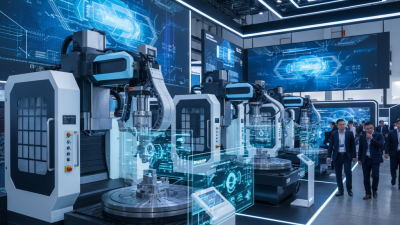
When exploring the vertical milling center market for 2026, several top brands stand out due to their unique features and reliability. User experiences reveal that precision and durability are critical factors. Many operators prioritize machines that offer enhanced control and a user-friendly interface. These qualities often stem from years of engineering expertise and innovations that adapt to industry demands.
In the realm of vertical milling machines, speed and accuracy are essential. Models equipped with advanced technology tend to outperform legacy systems. Yet, not every new feature translates to better performance. Some users have reported that overly complex interfaces can hinder productivity. It's important to weigh the benefits of technology against usability. Consider the learning curve and maintenance needs, as these can vary significantly across brands.
A reliable machine should not only perform well but also adapt to evolving tasks. Operators should continuously assess their machinery's efficiency. Regular reviews of performance can lead to significant insights. Investing in well-reviewed models can mitigate risks, but it is equally crucial to conduct routine evaluations. Balancing technical sophistication with practical usability will ultimately lead to better outcomes in the workshop.
Performance Metrics: Cutting Speed, Precision, and Tool Versatility
In the realm of vertical milling centers, performance metrics play a crucial role. Cutting speed is a vital feature. Research shows that high cutting speeds significantly improve productivity. For instance, some advanced centers can reach speeds of up to 5,000 RPM. This capability reduces machining time and enhances overall efficiency. However, there are trade-offs. Excessive speed can lead to tool wear and degradation of material quality.
Precision is another key metric. A study indicated that precision levels can vary by more than 15% between different machines in the same category. Thus, selecting a center with higher precision ratings is essential. The ability to maintain tight tolerances ensures better part quality and reduces waste. It's crucial to consider how these machines manage thermal expansion, which can affect precision over time.
Tool versatility also demands attention. Many vertical milling centers offer compatibility with various tool types and attachments. This feature enhances their adaptability for different machining tasks. However, not every tool can perform effectively across various materials. The industry recommends a thorough assessment of tool options available with each machine. This can be a game-changer for complex projects. Evaluating these metrics critically and understanding their implications is vital for making an informed purchasing decision.
Maintenance Tips and Best Practices for Vertical Milling Centers
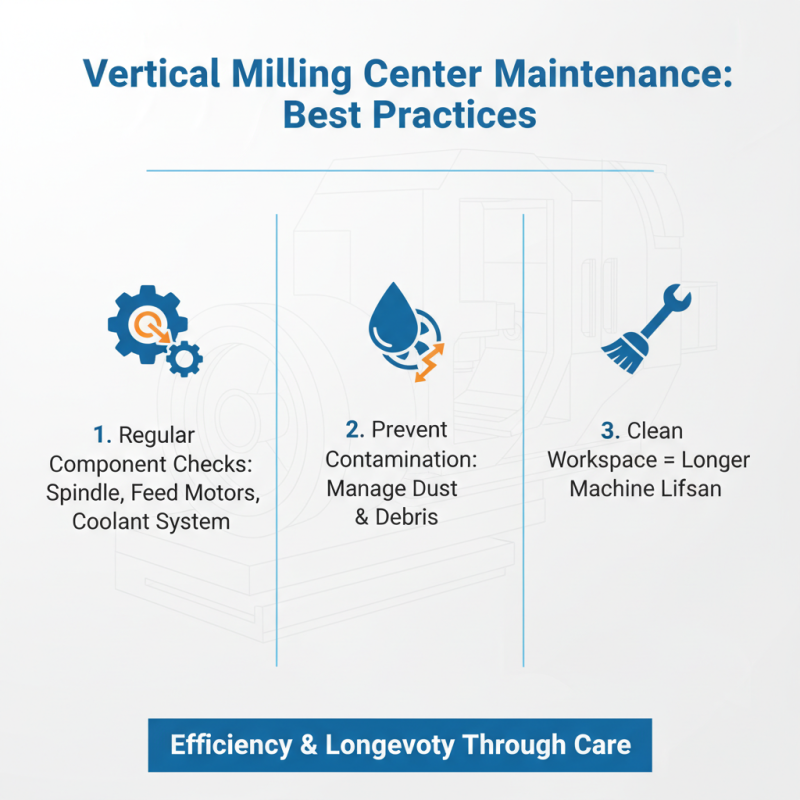
Vertical milling centers are essential in modern machining. To keep these machines running efficiently, proper maintenance is crucial. Regular checks on the spindle, feed motors, and coolant circulation can significantly extend their lifespan. Dust and debris accumulation can harm performance. A clean workspace leads to cleaner machinery, reducing wear over time.
Additionally, operators should develop a maintenance schedule. This includes lubrication of moving parts and inspection of tool holders. Replace any worn components immediately to avoid larger issues later. Operators often overlook simple tasks, leading to unexpected downtime. Awareness of each component's status can help in seamless operations.
Training for staff is vital. They should understand the inner workings of the machine. Knowledgeable operators can spot potential problems early. Communication among team members about equipment status is also essential. Not everyone may feel confident analyzing machinery issues. Ensuring everyone is on the same page can mitigate risks and enhance productivity.