2026 How to Choose the Best CNC Machining Center for Your Needs?
Choosing the right CNC Machining Center is crucial for modern manufacturing. With the industry projected to grow at a CAGR of 6% through 2026, businesses must invest wisely. A CNC Machining Center can enhance productivity and precision. However, selecting the best one is not straightforward.
Many manufacturers overlook important factors. A CNC Machining Center needs to align with specific production goals. It should accommodate the materials and types of work you intend to perform. The wrong choice can lead to inefficiency and costly errors.
Market research shows that nearly 50% of companies face challenges in optimizing their CNC equipment. This highlights the need for careful evaluation. Investing in a reliable CNC Machining Center can lead to significant long-term gains. However, it's vital to assess both current needs and future trends.
Understanding CNC Machining Centers: Basic Concepts and Types
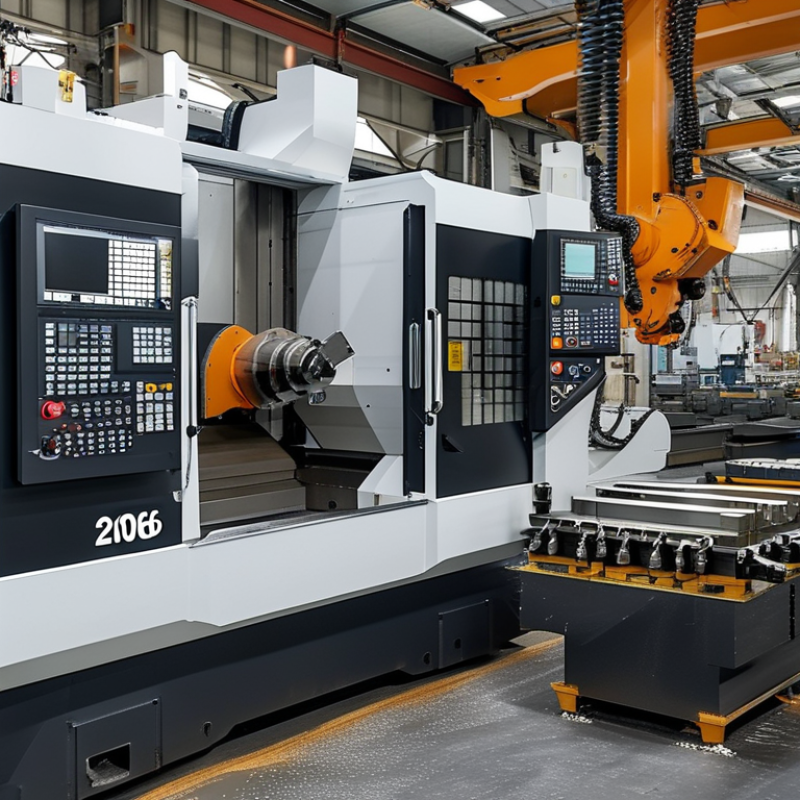
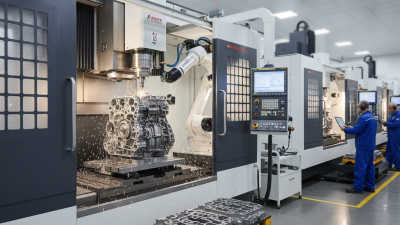
CNC machining centers are pivotal in modern manufacturing. They automate processes, enhancing precision and efficiency. Understanding their various types is crucial for selecting the best fit for your needs. Generally, there are several main types: vertical, horizontal, and multi-tasking centers. Each offers unique advantages for specific tasks. Vertical centers, for instance, excel in complex parts and intricate designs.
Choosing the right CNC machining center can be challenging. You must consider factors like material types, production volume, and specific applications. Vertical centers are ideal for smaller, detailed parts, while horizontal ones can handle larger components with ease. Multi-tasking centers combine the functions of multiple machines, offering efficiency but at a higher cost.
While there is no one-size-fits-all solution, understanding the features of each type aids in making informed decisions. It's essential to reflect on your production requirements honestly. Sometimes, opting for a center that exceeds your immediate needs may lead to wasted resources. Balancing capabilities with your actual usage can be a complex but vital process for sustainable operations.
Key Factors to Consider When Selecting a CNC Machining Center
Choosing the right CNC machining center involves several key factors. First, consider the material types you’ll be working with. Different machines excel with various materials like metals, plastics, or composites. A study by TechSci Research highlights that the global CNC machine market is expected to grow by 6% annually through 2027. This growth reflects advancements in technology and materials, emphasizing the need for up-to-date equipment.
Next, look into the machine's specifications. Pay attention to the axis configurations and the size of the workspace. A five-axis CNC center offers more versatility. According to Statista, nearly 60% of manufacturers noted improved efficiency with multi-axis systems. However, these machines come with a steeper learning curve. Operators may require additional training, which affects overall productivity.
Operator accessibility is another important aspect. The layout should allow for easy loading and unloading of materials. Complex machines may reduce productivity if operators struggle with logistics. Additionally, ongoing maintenance is a crucial element. Some users find that frequent servicing disrupts workflow, emphasizing the need for reliable support services. Be prepared to invest time and resources into maintenance. Balancing these factors is essential for optimal performance and return on investment.
Key Factors to Consider When Selecting a CNC Machining Center
| Factor |
Description |
Importance Level |
| Machine Type |
Determine whether a vertical or horizontal machining center is needed based on your machining requirements. |
High |
| Size and Workspace |
Consider the size of the components that will be machined and ensure the workspace accommodates those dimensions. |
Medium |
| Spindle Speed |
Higher spindle speeds can lead to better surface finishes and faster machining times. |
High |
| Control System |
Choose an intuitive control interface that your operators will find easy to use. |
Medium |
| Tool Capacity |
Consider the number of tools the machine can hold, as this affects production efficiency. |
Medium |
| Price |
Evaluate your budget and find a machine that offers the best value for the features you need. |
High |
| After-Sales Support |
Consider the quality of customer service and support available after purchase. |
Medium |
Assessing Your Production Needs and Budget Constraints
Assessing your production needs is crucial when choosing a CNC machining center. Start by analyzing the types of materials you will be working with. Different machines handle various materials differently. Identify if you mainly process metals, plastics, or composites. Each material has specific requirements that affect machine capabilities.
Next, consider your production volume. Are you a small shop or a large manufacturer? High volume production demands faster and more robust machines. On the other hand, lower volume tasks may require machines with flexibility for complex projects. Think about how often you will use the CNC machine. This frequency directly impacts your budget.
Budget constraints also play a significant role in your decision. Determine how much you can invest without compromising essential features. Remember, a cheaper machine might save money upfront but lead to higher maintenance costs or reduced efficiency later. It's vital to strike a balance between cost and quality. Taking time to assess these factors can prevent costly mistakes down the line.
Evaluating Software Compatibility and Technological Features
When selecting a CNC machining center, software compatibility and technological features should be at the forefront of your decision-making process. According to a recent industry report, around 65% of machining downtime is linked to software issues. Ensuring that the CNC machine works seamlessly with your existing software is crucial. A well-integrated system minimizes errors and streamlines the workflow, directly impacting productivity.
Technological features such as adaptive machining and real-time monitoring can bring significant advantages. Data analysis indicates that facilities utilizing advanced sensors can achieve up to a 20% increase in machining efficiency. However, it's important to recognize that not all features are beneficial for every operation. Some advanced options can complicate processes. Not every facility needs high-end technological specifications, and over-investing without clear benefits can lead to inefficiencies.
Moreover, consider the level of technical support and future software updates. A machine with limited software support can quickly become obsolete. Industry data reveals that 30% of businesses fail to update their CNC software regularly. This oversight can hinder performance and competitiveness. Identifying a balance between necessary features and straightforward usability is essential in optimizing your CNC machining operations.
Maintenance and Support: Ensuring Long-Term Reliability and Performance
When selecting a CNC machining center, maintenance and support are crucial for long-term reliability and performance. Regular maintenance schedules can prevent unexpected breakdowns. Many users overlook this aspect, leading to costly repairs. A well-maintained machine can last significantly longer than one that is neglected.
Understanding the level of support provided by manufacturers is equally important. Some offer extensive resources, including online manuals and customer service hotlines. Others may not. This support can impact your operations profoundly. You need to ask about response times and expertise when you call for help. An ineffective support system can lead to frustrating delays in production.
Training is another critical component. The operation of a CNC machine requires skill. Inadequate training can lead to mistakes that harm both the machine and the final product. Investing in proper training enhances overall performance. It also ensures that operators are familiar with maintenance tasks. Thoughtful investment in ongoing education can drive efficiency and longevity.