5 Essential Tips for Mastering 5 Axis CNC Machining Techniques
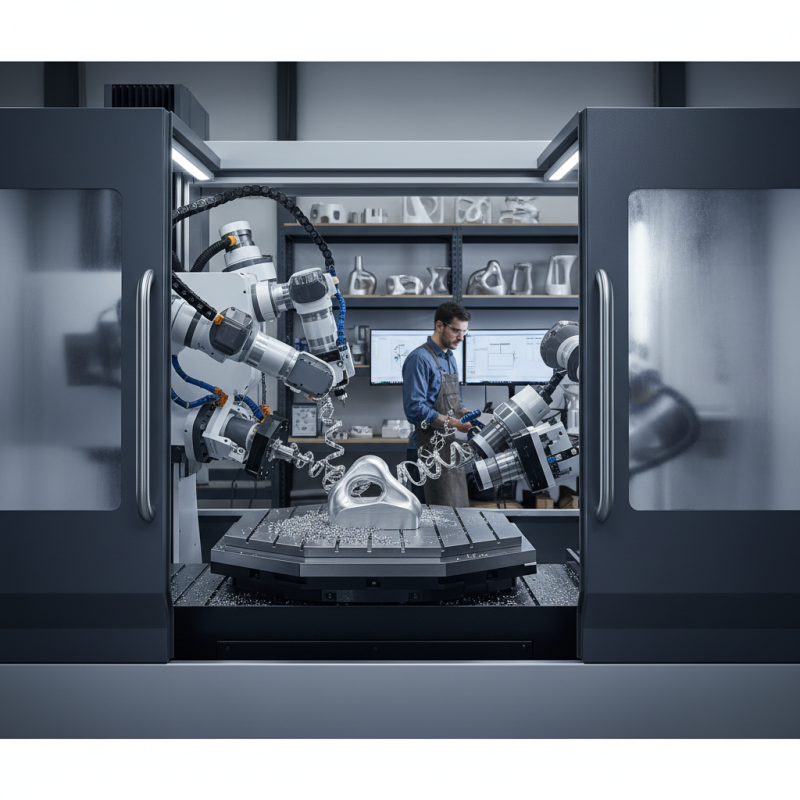
Mastering 5 Axis CNC machining techniques requires dedication and skill. This method allows for unparalleled precision in complex designs. However, it can be challenging for many operators.
The essence of 5 Axis CNC lies in its capability to manipulate the tool on multiple axes simultaneously. This flexibility opens up a world of possibilities, yet it also requires a deep understanding of machining principles. Operators must navigate both the technical and creative aspects of their craft. Mistakes can lead to wasted materials and time, highlighting the importance of continuous learning and adaptation.
Gaining proficiency in 5 Axis CNC techniques demands practice and patience. Each project offers unique problems to solve. Embracing these challenges is essential for growth and expertise. As you advance, reflecting on your experiences will refine your skills further, making you a more competent machinist.
Understanding the Basics of 5 Axis CNC Machining
5 axis CNC machining offers sophistication in manufacturing. It allows for advanced shaping of metal and other materials. Understanding the basics is crucial for every machinist. This technology enables intricate designs that traditional machining cannot achieve. The versatility of 5 axis systems enhances productivity.
To effectively utilize 5 axis CNC machining, one must grasp its core principles. Workpieces move along multiple axes simultaneously, providing greater precision. This requires proper setup and familiarity with the machine’s controls. Operators often face challenges such as calibrating tools and managing workpieces securely. Mistakes during setup can lead to significant errors in production. Continuous learning and practice help in overcoming these issues.
Familiarity with software is equally vital. CAD/CAM programs assist in designing and programming tasks. However, many users struggle with complex tooling paths. Simple designs can become frustratingly intricate. Feedback from experienced operators can drive improvement. Building a strong foundation in these basics prepares you for advanced techniques. Mastery comes with time and reflection on past mistakes. Embrace every challenge as a learning opportunity.
5 Essential Tips for Mastering 5 Axis CNC Machining Techniques
Key Features of 5 Axis CNC Machines and Their Importance
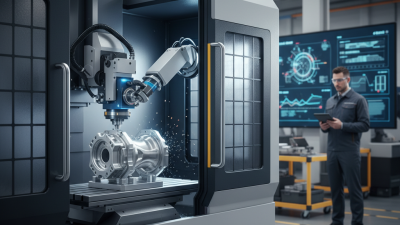
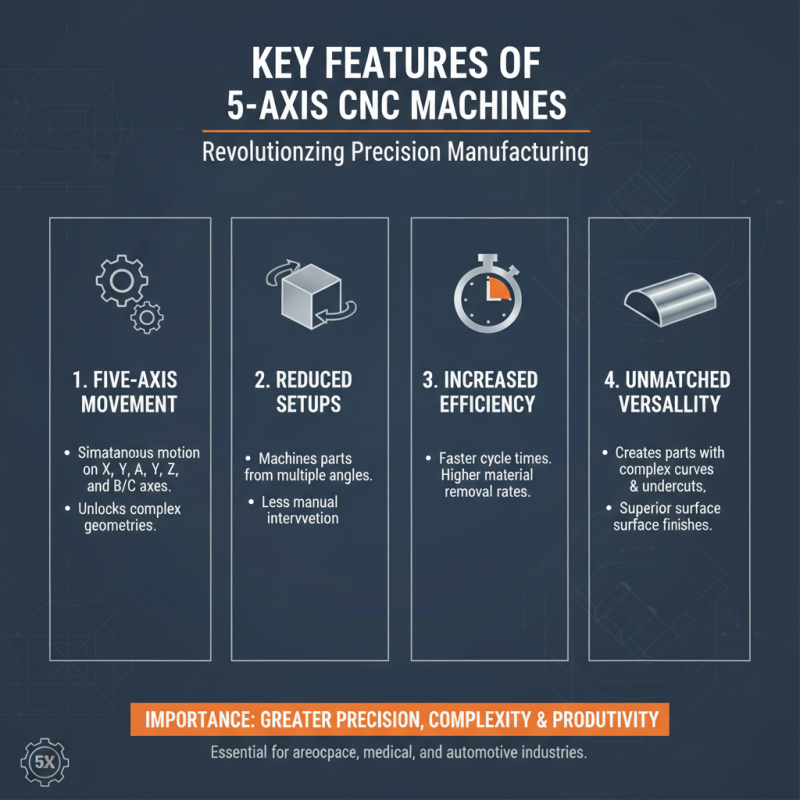
5-axis CNC machines are revolutionizing precision manufacturing. These machines move along five different axes, allowing for complex geometries. This capability reduces the need for multiple setups and increases machining efficiency. A key feature is the versatility they offer in finishing intricate parts. They can produce components with curves and angles that traditional 3-axis machines struggle to achieve.
The importance of 5-axis CNC lies in its ability to enhance accuracy. Parts are often completed in a single setup, decreasing chances for error. This technique minimizes tooling time and boosts productivity. However, mastering these machines isn't easy. Operators must understand the intricacies of tool paths and machine limits.
While 5-axis machining offers great benefits, challenges do exist. Users must address potential programming complexities. Learning to optimize tool engagement requires time and experience. Mistakes can happen, and reflections on the process are essential for growth. Adapting to this technology demands continuous learning and skill enhancement.
Tips for Setting Up and Calibrating 5 Axis CNC Equipment
Setting up 5 axis CNC equipment requires precision and careful calibration. This is essential for achieving high-quality results in machining. According to industry reports, well-calibrated machines can improve production efficiency by up to 25%. Proper setup reduces errors and ensures consistency across multiple production cycles.
A crucial step is to align the machine's axes accurately. Use reliable measuring tools when checking verticality and squareness. An off-axis machine may lead to dimensional inaccuracy. Regular maintenance checks, including linear guide inspections, are vital. A small misalignment can lead to substantial defects in the final output.
Tips for calibration include using a robust software interface. Ensure all parameters are properly set and test the machine before use. A system that frequently recalibrates can save both time and resources. Investing in training for operators improves overall machine handling. Proper training is often overlooked but can determine the success of the entire machining process.
5 Essential Tips for Mastering 5 Axis CNC Machining Techniques
| Tip |
Description |
Benefits |
| 1. Proper Setup |
Ensure the machine is installed on a robust and level surface. |
Improved accuracy and reduced vibration during machining. |
| 2. Regular Calibration |
Calibrate the machine periodically to maintain precision. |
Ensures high-quality production and reduces errors. |
| 3. Tool Selection |
Choose the right tools for the materials being machined. |
Enhances cutting efficiency and tool life. |
| 4. Use of Software |
Utilize advanced CAM software for complex designs. |
Improves programming efficiency and operation smoothness. |
| 5. Continuous Training |
Invest in training for operators to enhance skills. |
Increases productivity and reduces operational mistakes. |
Mastering Toolpaths and Cutting Strategies for 5 Axis Machining
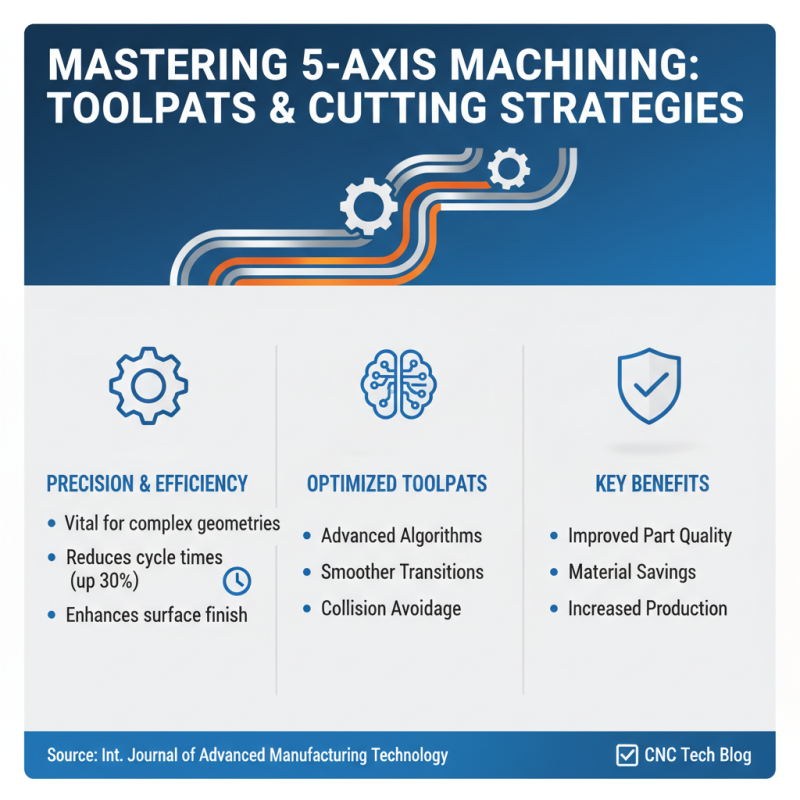
Mastering toolpaths and cutting strategies in 5 axis CNC machining is vital for precision and efficiency. A report from the International Journal of Advanced Manufacturing Technology indicates that adopting optimized toolpath strategies can reduce cycle times by up to 30%. Implementing advanced algorithms allows for smoother transitions, which enhances surface finish quality in complex geometries.
Reducing tool wear is another crucial factor. Research shows that proper cutting strategies can extend tool life by as much as 50%. Consider using adaptive feed rates based on real-time cutting conditions. This practice can mitigate the risk of excessive tool stress and minimize downtime. Even with optimization, variability in material properties may cause unexpected challenges, emphasizing the need for constant monitoring.
Flexibility in toolpath execution is essential. Variable contouring paths are effective but may require adjustments depending on the part's complexity. A reliance on pre-set strategies can lead to inefficiencies. Regularly comparing your results against best practices in industry reports can provide insights. However, remember that perfection is a journey, not a destination. Each machining project offers unique lessons for improvement.
Common Challenges in 5 Axis CNC Machining and How to Overcome Them
Five-axis CNC machining offers unparalleled flexibility in the world of precision engineering. However, it comes with its own set of challenges. One major difficulty is the complexity of programming these machines. According to a report by the International Manufacturing Technology Show, nearly 40% of manufacturers struggle with CAD/CAM software integration. Skilled operators and programmers are essential to overcome this hurdle, ensuring that designs translate accurately into finished parts.
Another significant challenge is tool wear and maintenance. The intricacies of five-axis machining lead to uneven wear on cutting tools. Data from the Manufacturing Institute shows that improper tool management can increase production costs by up to 30%. Implementing a robust tool monitoring system can mitigate this issue. Regular checks and maintenance schedules are vital to enhance tool lifespan.
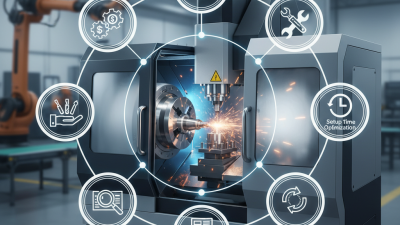
Lastly, setup time can be a critical factor. Adjusting fixtures and aligning parts takes time and can slow production. Studies indicate setup times can account for 28% of total machining time. Streamlining these processes with better jigs or fixturing methods can improve efficiency. Exploring innovative ways to minimize setup disruptions is crucial for maintaining productivity in five-axis machining environments.