Top Cnc Machine Brands in China for Quality and Precision?
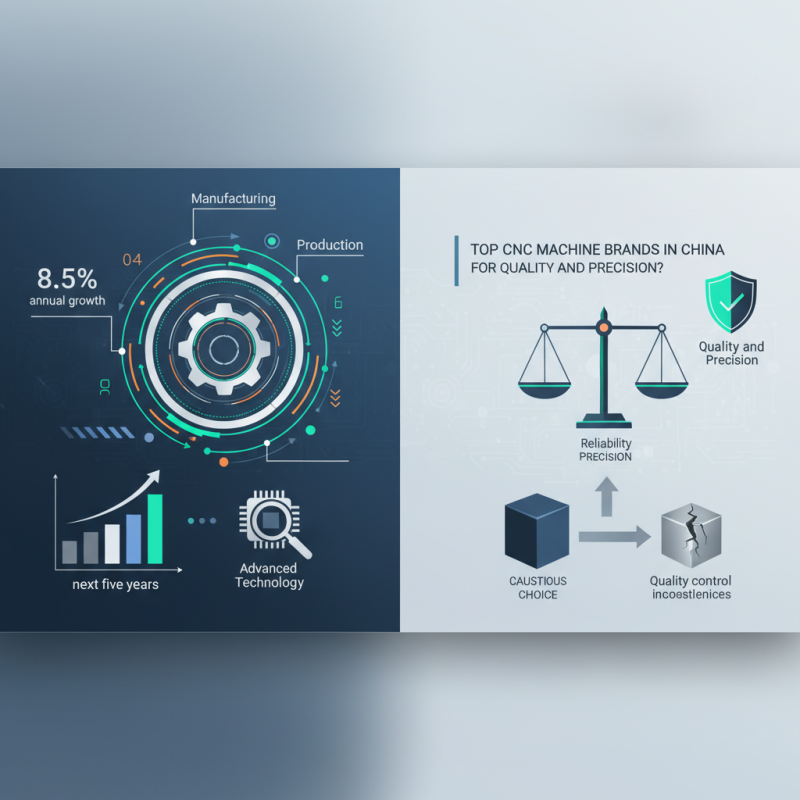
In the competitive world of manufacturing, CNC machines have become essential. They provide the quality and precision needed for modern production. According to a recent report by market research firm IBISWorld, the CNC machine market in China is expected to grow by 8.5% annually over the next five years.
Industry expert Dr. Li Wei emphasizes the significance of choosing the right brand. He states, "The quality of CNC machines directly impacts production efficiency." This highlights the necessity of investing in reliable machines from top manufacturers. Many brands in China offer advanced technology and innovative features, yet not all meet the exacting standards required for high-stakes applications.
Despite these advancements, challenges remain in the sector. Some brands may fail to maintain quality control, leading to inconsistencies. Buyers must be cautious when selecting a CNC machine supplier. Reliability and precision are paramount in this industry, making informed choices essential for success.
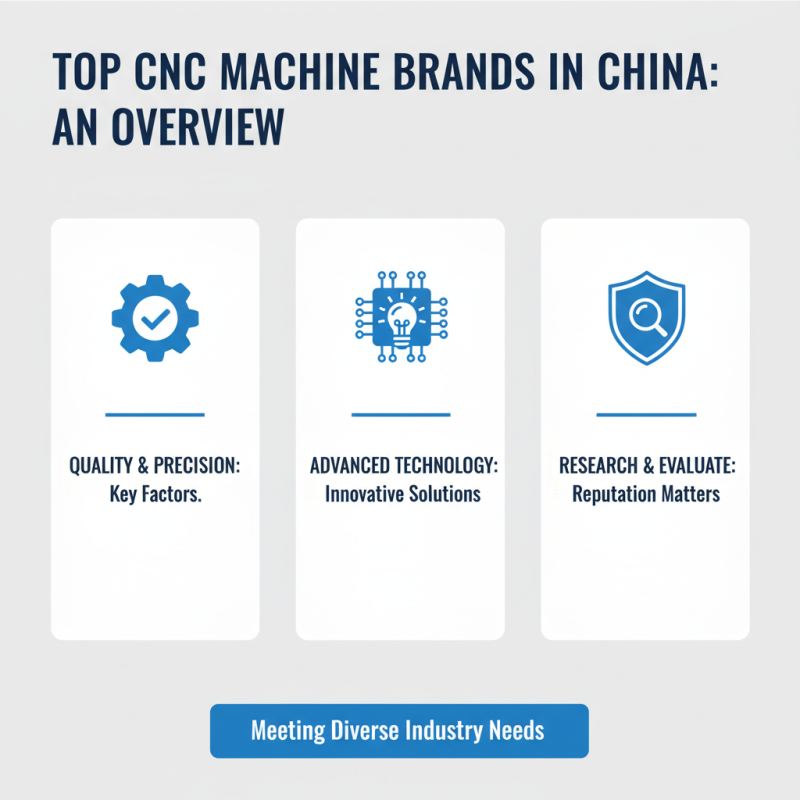
Top CNC Machine Brands in China: An Overview
When exploring CNC machine brands in China, quality and precision stand out as key factors. Many manufacturers offer advanced technology and innovative solutions. These companies focus on meeting diverse industry needs. However, not all brands deliver the same level of quality. It's essential to research and evaluate their reputations carefully.
One tip is to seek reviews from previous customers. Look for insights regarding performance and durability. This information can guide your decision-making process. Additionally, consider visiting manufacturing facilities. This allows you to assess the technologies they use firsthand. A visit can reveal details that online research may overlook.
Be mindful of the continuous evolution in CNC technology. Some brands may not keep up with the latest advancements, which can affect long-term reliability. Check their commitment to research and development. Investing in a machine is significant, and it’s vital to choose a company that prioritizes innovation. Quality should never be a compromise.
Criteria for Evaluating CNC Machine Quality and Precision
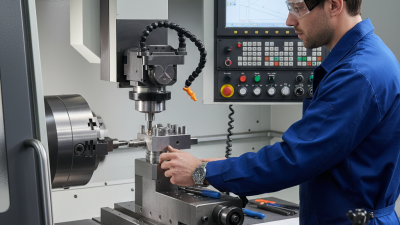
Evaluating CNC machine quality and precision is essential for optimal performance. Several criteria can help in making informed decisions. First, consider the machine's construction. Sturdy materials often indicate durability and stability. A well-built frame reduces vibrations, enhancing precision during operation. Weight can be a factor; heavier machines typically provide a more stable platform.
The accuracy of CNC machines hinges on their components. Look for high-quality linear guides and ball screws. These parts directly impact movement precision. Tolerance ratings are also crucial. A machine with tighter tolerances often produces superior results. Additionally, assess the control software. User-friendly interfaces can streamline operations, allowing for better adjustments and oversight.
Another aspect is the machine's flexibility. A versatile CNC machine can handle various materials and complex tasks. This adaptability can save time and costs in production. Regular maintenance is another vital consideration. Machines that require frequent repairs may illustrate deeper reliability issues. Always consider warranties and service support as well. A robust after-sales service speaks volumes about the manufacturer's commitment to quality.
Leading Brands for CNC Milling and Turning Machines
When it comes to CNC milling and turning machines, China stands out with a diverse array of brands. The regional market is booming, driven by advances in technology and increased demand for precision engineering. According to a recent report by the China Machine Tool Industry Association, the CNC machine market is expected to grow by 8% annually until 2025. This growth reflects the critical role these machines play in sectors like automotive and aerospace.
Several well-regarded brands in China offer CNC milling and turning solutions known for their quality. Many reputable manufacturers focus on precision engineering and rigorous testing. Data suggests that nearly 70% of companies prioritize machine accuracy over cost, indicating a shift towards quality. However, some brands still struggle with after-sales service and support, which is essential for maintaining operational efficiency.
The competition among brands is intense. While some companies excel in precision, others lag in innovation. This disparity creates opportunities for reflection and improvement within the industry. Understanding customer needs remains crucial. Companies must address challenges like production downtime and equipment failure rates. Making strides in these areas will enhance the reliability and effectiveness of CNC technology across industries.
Innovative Technologies in China's CNC Machine Industry
China's CNC machine industry is marked by rapid advancements.
Innovative technologies have emerged, enhancing both quality and precision.
Manufacturers are increasingly adopting automated processes. This shift improves efficiency and reduces human error.
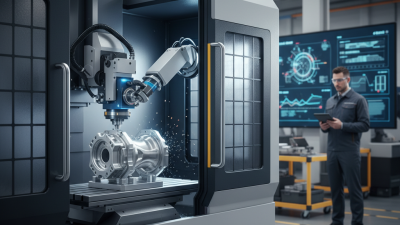
Technologies such as artificial intelligence and Internet of Things (IoT) are now embedded within machines.
These integrations allow for smarter operations and real-time monitoring.
However, challenges remain. Not all companies keep pace with technological upgrades.
Some equipment lags in adaptability and efficiency. Regular training for operators is often overlooked, impacting overall productivity.
Despite the strides made, machine reliability can fluctuate.
It’s crucial for companies to invest consistently in maintenance and updates to leverage the latest advancements.
In terms of quality control, data analytics plays a vital role.
Manufacturers analyze performance metrics to refine processes.
However, there is a risk of over-reliance on data without human insight.
Balancing technology with skilled operators is essential.
This synergy fosters a more resilient manufacturing environment, ensuring product quality and operational excellence.
Customer Feedback and Market Positioning of Top Brands
In China's competitive CNC machine market, customer feedback plays a pivotal role in understanding brand positioning. Recent industry surveys reveal that over 70% of users prioritize precision and reliability above all else. Machines that consistently meet these expectations often gain a loyal customer base. Many users noted that while some brands excel in speed, they sometimes compromise on durability.
Reports indicate that quality perception is crucial. Many customers expressed dissatisfaction with machines that were affordable but lacking in consistent performance. Some brands are viewed as premium choices but justify their prices with long-term durability and advanced technology. Feedback from end-users highlights that recent models demonstrate significant improvements in user interface, making them easier to operate. However, there's still room for innovation, particularly in enhancing after-sales support and accessibility of replacement parts.
Brand loyalty is impacted significantly by these experiences. Many CNC operators suggest that transparency in production processes is essential. A shift towards sharing more detailed specifications and user experiences could enhance trust. Overall, the market is evolving, driven by user demand for better quality and precision.