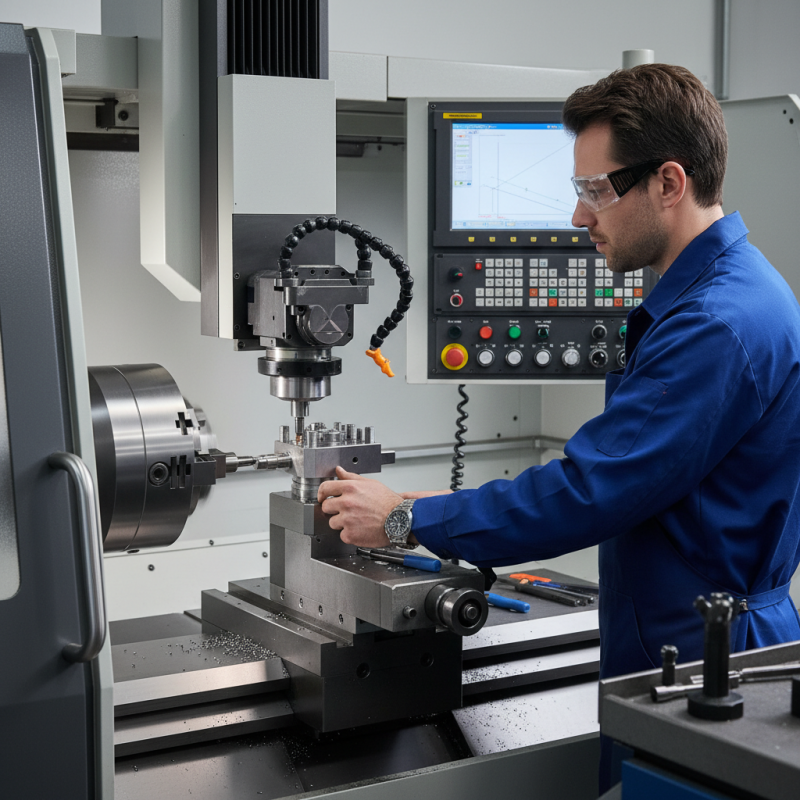
2026 How to Operate a 5 Axis CNC Lathe Effectively?
Operating a 5 Axis CNC lathe effectively requires a mix of technical skill and practical experience. This advanced machinery offers flexibility and precision for complex parts. However, mastering it involves more than just understanding the machine.
The intricacies of the 5 Axis CNC lathe demand a strategic approach to programming and setup. Operators must be attentive to factors like tool selection and workpiece clamping. Mistakes can lead to significant time loss or waste of materials. Knowing how to troubleshoot problems is vital for optimizing performance.
Achieving operating efficiency with a 5 Axis CNC lathe largely depends on continuous learning and adaptation. New techniques emerge, and staying updated is key. Reflecting on past experiences—both successes and failures—will help refine skills. Emphasizing hands-on practice can bridge the gap between theoretical knowledge and real-world application.
Understanding the Basics of 5 Axis CNC Lathes
5 Axis CNC lathes represent a significant advancement in machining technology. They allow for intricate shapes and designs with higher precision. The ability to manipulate workpieces from multiple angles saves time and improves efficiency. Industry reports indicate that companies utilizing 5 Axis technology have reduced machining times by up to 30%. This efficiency can lead to substantial cost savings.
Understanding the basics of 5 Axis CNC lathes is essential for effective operation. These machines operate with five axes: X, Y, Z, A, and B. This configuration enables complex geometries that traditional machines struggle to achieve. Operators must be well-trained in programming and setup. Lack of experience can lead to mistakes, costing both time and resources.
Moreover, the setup process requires careful attention to detail. Misalignment can cause defects in the final product. A recent study highlighted that improper calibration affects the accuracy of the output by nearly 15%. This emphasizes the need for skilled workers who understand the intricacies of 5 Axis systems. Continuous learning and adaptive strategies are vital to maximizing the potential of these advanced machines.
Key Components and Features of 5 Axis CNC Lathes
Operating a 5-axis CNC lathe effectively requires understanding its key components and features. One of the standout features is its ability to manipulate tools in multiple directions. This allows for complex shapes and precise cuts that traditional lathes cannot achieve. The spindle and tooling system are crucial for effective operations. They must be robust to handle various materials and maintain accuracy.
Another important component is the control system. A reliable interface ensures operators can program intricate designs with ease. Look for systems that offer user-friendly software and comprehensive tutorials. However, even the best systems can have a learning curve. Invest time in training to avoid operating mistakes.
Tips: Always maintain the machine according to the manufacturer's guidelines. Regular checks on all components can prevent costly downtime. When programming, keep features simple to start. Complex processes can lead to errors, so build your skills gradually. Don't hesitate to revisit the basics when facing challenges. Continuous improvement is key to mastering the lathe.
2026 How to Operate a 5 Axis CNC Lathe Effectively?
This chart illustrates the key performance metrics of a 5 Axis CNC Lathe, showcasing its accuracy, speed, setup time, and tool life. Understanding these metrics can help in effectively operating and maximizing the performance of CNC lathes.
Step-by-Step Setup Process for 5 Axis CNC Lathe Operations
Setting up a 5-axis CNC lathe requires an organized process. Ensure your workspace is clean and well-lit to enhance safety and efficiency. Begin by verifying all components. Check that the CNC software is updated and compatible with your machine specifications. Tools should be readily available, including calibration devices and cutting tools.
When mounting the workpiece, ensure it is secure. An improperly secured piece can lead to inaccuracies. A study by the Association for Manufacturing Technology shows that proper loading can improve machining accuracy by up to 30%.
Tips: Always calibrate your tools before starting. Use a dial indicator to check alignment. This small step can save time and reduce waste.
During operation, monitor the machine closely. Adjust feed rates and spindle speeds based on real-time observations. Sometimes, initial settings may not yield optimal results. It's normal to make adjustments as you gather data. The quality of your output can benefit from continuous monitoring.
Tips: Keep a log of adjustments and outcomes. This can help refine future processes and enhance your expertise. Experimentation is key in mastering CNC lathe operations.
2026 How to Operate a 5 Axis CNC Lathe Effectively? - Step-by-Step Setup Process for 5 Axis CNC Lathe Operations
| Step |
Description |
Tools Required |
Estimated Time |
| 1 |
Preparing the CNC Lathe |
Clean Tools, Lubricants |
30 minutes |
| 2 |
Setting Up Workholding |
Vices, Clamps |
1 hour |
| 3 |
Tool Selection and Setup |
Cutting Tools, Tool Holders |
45 minutes |
| 4 |
Loading CNC Program |
Computer, CNC Controller |
20 minutes |
| 5 |
Conducting Test Runs |
Material for Testing |
1 hour |
| 6 |
Final Production |
Production Materials |
Variable |
Maintenance Tips for Longevity and Performance of CNC Lathes
Maintaining a 5-axis CNC lathe is crucial for optimal performance and longevity.
Routine maintenance can significantly reduce the risk of malfunctions.
According to a study by the American National Standards Institute (ANSI), proper upkeep can increase machine life by up to 30%.
Regularly checking and replacing worn parts is essential. For example, ensure that the bearings are lubricated regularly to prevent premature wear.
Additionally, cleaning the CNC lathe should not be overlooked.
A clean machine runs smoother and more efficiently.
Contaminants can lead to mechanical issues and affect part accuracy.
Data from the International Organization for Standardization (ISO) indicates that improper cleaning can decrease a machine's lifespan, potentially costing thousands in repairs.
User feedback often highlights the importance of training operators in maintenance practices.
Many companies overlook this, leading to avoidable downtime.
It’s not just about fixing problems when they arise.
Training promotes a proactive approach, helping operators identify potential issues early.
While it’s easy to take machines for granted, regular, informed maintenance truly pays off.