Choosing the best Vertical Machine manufacturer in China is not a simple ranking exercise. The right choice depends on the workpiece, required tolerances, production volume, and local service support. A machine cutting aluminum housings has different demands from one machining hardened steel molds. Details matter.
Industry reports offer useful context, but they do not name a universal winner. Gardner Intelligence’s World Machine Tool Survey tracks production and consumption across major machine-tool markets, including China. The International Federation of Robotics’ World Robotics 2024 report recorded 276,288 industrial robots installed in China during 2023, about 51% of global installations. That figure describes factory automation, not Vertical Machine sales. Still, it signals the scale of China’s manufacturing ecosystem and the importance of automation-ready equipment.
For buyers, manufacturer claims need to be tested against shop-floor evidence. Compare spindle power and speed, axis travel, positioning accuracy, thermal stability, and the control system. Ask for a test cut using your material and tooling. Inspect the chip conveyor, tool changer, and enclosure; small design choices can affect daily uptime. A specification sheet can still mislead. Request references from users machining similar parts, and confirm spare-parts availability, commissioning, and technician response times. No single data point settles the decision. This comparison should weigh documented performance and support against price, while acknowledging that public information may not reveal every limitation.
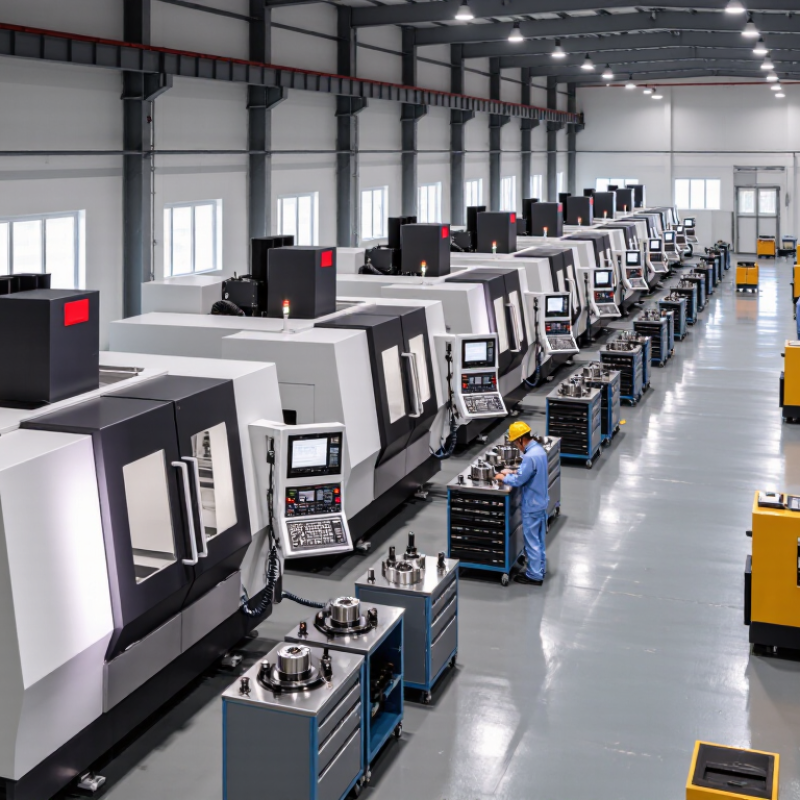
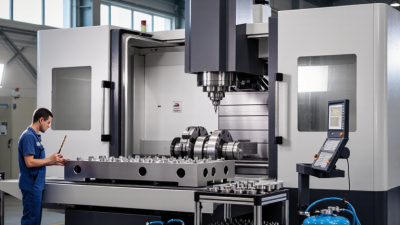
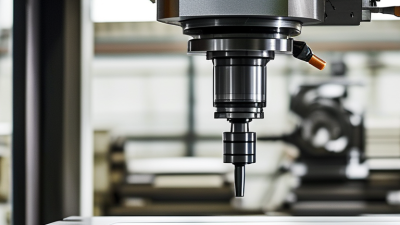
A vertical machine usually refers to a vertical machining center, where the spindle points down toward a worktable. The cutting tool rotates while the workpiece stays secured in a vise, fixture, or directly on the table. This layout gives operators a clear view of many setups and makes common jobs easier to inspect.
It can mill flat faces, cut slots, drill holes, and tap threads. A CNC system moves the tool along programmed paths, while the operator selects suitable tooling, speeds, and feeds for the material. For example, a small aluminum housing may need a face mill, an end mill for pockets, and a drill for mounting holes. Setup matters. Poor clamping can cause chatter, marks, or dimensional errors, even with a capable machine.
Vertical machines are common in job shops and production lines because they handle many part shapes without complicated workholding. They are often practical for medium-sized components with features accessible from above. That sounds simple. It isn’t always. Deep cavities or multiple angled faces may require longer tools, extra setups, or another machine configuration. Buyers should compare spindle power, table size, travel, tool capacity, and the accuracy required for their actual parts. A machine that looks suitable on paper may feel limiting once fixtures and cutting tools occupy the work area.
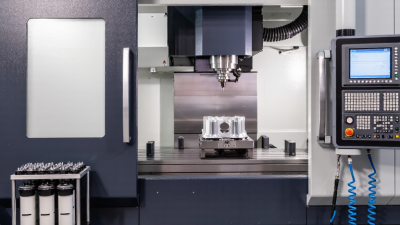
A vertical machining center is a CNC machine with a vertically oriented spindle. It is commonly used for milling, drilling, and tapping metal parts. The chart shows representative spindle-speed ratings found across the market; it is not a manufacturer ranking or a market-share comparison.
Higher spindle speeds can suit smaller tools and some non-ferrous materials, while the best machine depends on the part, material, required accuracy, work envelope, and production needs.
Evaluating a Chinese vertical machining center manufacturer starts with the machine’s working accuracy, not its brochure claims. Ask for positioning and repeatability results measured under ISO 230-2, plus machining-center test records aligned with ISO 10791. Check the test conditions: axis travel, warm-up time, tool, and measurement method. Without them, two impressive figures may not be comparable. Numbers matter.
Inspect the spindle, column, and tool changer in person or through a live factory audit. Look for casting quality, cable routing, lubrication points, and chips collecting around the table. Request a sample cut in your material, then measure its bore and surface finish after the machine reaches operating temperature. A quick demo is not enough. I would still hesitate to rank suppliers after one visit; a polished sample can hide inconsistent production.
Service and documentation deserve equal weight. Ask for spare-parts lead times, response targets, operator training, and a written acceptance plan. The International Federation of Robotics reported 276,288 industrial robot installations in China in 2023, representing 51% of global installations in its World Robotics 2024 report. That scale signals a strong automation ecosystem, but it does not prove an individual machine builder’s quality. Verify the supplier’s own records, including delivery consistency and corrective-action reports. These details are easy to overlook.
There is no single best manufacturer for every application. Use this weighted checklist to compare vertical machining center suppliers against your workpiece, tolerance, production volume, budget, and service requirements.
| Evaluation criterion | Suggested weight | Evidence to request | Signs of a strong evaluation | Points to investigate |
|---|---|---|---|---|
| Accuracy and repeatability | 20% | Recent test records for the proposed machine, including positioning accuracy and repeatability results; ask how and when the machine was measured. | Results are tied to the specific machine and measurement conditions. Testing references relevant methods such as ISO 230-2 for positioning accuracy and repeatability of numerically controlled axes. | Only general catalogue claims are provided, or results lack test conditions, measurement records, or confirmation on the machine being purchased. |
| Machine structure and configuration | 15% | Machine layout, axis travels, table dimensions and load, spindle specifications, tool magazine capacity, and configuration details. | The proposed configuration suits the part envelope and cutting process. The supplier explains the design and component choices relevant to the intended workload. | Travel, table load, or spindle details are unclear; important options are presented as standard without being itemized in the quotation. |
| Cutting capability and application testing | 15% | A sample machining test using representative material, tooling, workholding, and cutting conditions; request the resulting part and inspection report where practical. | The test reflects the buyer’s actual operation and records cycle time, surface finish, tool conditions, and measured dimensions. | Performance is demonstrated only with an unrelated sample part or without documenting the tooling and cutting conditions. |
| Quality control and traceability | 12% | Quality procedures, inspection checkpoints, calibration records, final acceptance documentation, and applicable quality-system certificates. | Inspection records can be linked to the machine and its key components. Any claimed certification can be checked for scope and validity. | A certificate is offered as the only proof of machine quality, with no machine-specific inspection or acceptance records. |
| Spindle, thermal behavior, and reliability | 10% | Spindle speed and power curves, maintenance requirements, warm-up guidance, and information on thermal management and operating limits. | Specifications match the intended cutting duty, and the supplier explains how operating conditions and maintenance affect performance. | Power or torque figures are quoted without explaining the measurement basis, duty conditions, or maintenance requirements. |
| Service, spare parts, and technical support | 12% | Written warranty terms, service response process, spare-parts availability, remote-support arrangements, and technician coverage for the buyer’s location. | Responsibilities, response targets, exclusions, and parts arrangements are stated in writing and fit the buyer’s production needs. | Support promises are informal, service coverage is not defined, or warranty exclusions are difficult to assess. |
| Delivery, installation, and training | 8% | Delivery schedule, packing and shipping details, installation requirements, commissioning scope, and operator and maintenance training plan. | The quotation clearly separates machine supply from installation, commissioning, and training, including who is responsible for each item. | Site requirements, installation scope, or costs after shipment are not clearly documented. |
| Compliance and export documentation | 8% | Applicable declarations, electrical documentation, manuals, and shipping documents for the destination market and purchased configuration. | Documents are relevant to the actual machine and destination. Any market-specific conformity requirement is confirmed before purchase. | Compliance is described in broad terms without identifying applicable rules, documents, or the responsible party. |
| Total suggested weighting | 100% | Adjust the weights to reflect your application—for example, prioritize accuracy for tight-tolerance parts or service coverage for high-utilization production. | ||
How to use this table: Score each shortlisted supplier against the same machine configuration and request written, verifiable evidence. Standards and market requirements should be checked against the specific machine, contract, and destination; no single certificate or specification guarantees suitability for every application.
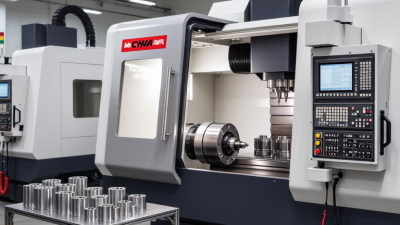
China’s leading vertical machine manufacturers serve industries ranging from automotive parts to precision mold making. Their machines may look similar in a catalog, but performance depends on spindle design, structural rigidity, control systems, and quality checks. A heavy cast-iron column can help limit vibration during demanding cuts. Yet weight alone does not guarantee accuracy.
Buyers should compare usable table size, spindle speed, tool capacity, and positioning accuracy against real production needs. Ask for inspection records and sample-cut results, not just specification sheets. Details matter. Check whether the supplier can explain how it measures machine geometry and controls thermal changes during long shifts. Clear answers are a useful sign of engineering discipline.
Service matters, too. Confirm training, spare-parts availability, and response times before placing an order. If possible, inspect the assembly area and watch a test cut on material similar to your own. A polished showroom is not the whole story. I would also leave room for doubt: advertised precision may depend on setup, tooling, and operating conditions, so request evidence under conditions close to your shop floor.
Choosing a Chinese vertical machining-centre manufacturer means comparing evidence, not brochures. Check spindle runout, axis positioning, thermal stability, and finish on the same test part. ISO 230-2 provides methods for measuring the positioning accuracy and repeatability of numerically controlled machine-tool axes. Ask for actual inspection records, not just a certificate. Small differences matter when a bore must stay within tolerance after hours of cutting.
Technology capability is growing across China’s manufacturing ecosystem. The International Federation of Robotics’ World Robotics 2024 report says China installed 276,288 industrial robots in 2023, representing 51% of global installations. That figure signals a strong automation base, but it cannot prove any individual machine’s accuracy or reliability. The shop floor tells more. Request a live cutting test, then inspect the part and machine logs. Also compare service response times, spare-part availability, operator training, and remote diagnostics. A polished demonstration can mislead; it says little about support during a production stoppage. I would give more weight to documented uptime and a clear escalation process, though these records can be imperfect too.
Which Is the Best Vertical Machine Manufacturer in China?
Choosing the Best Manufacturer for Your Production Needs
The right vertical machining center depends on your parts, tolerances, and daily output—not just the purchase price. For aluminum housings, inspect spindle speed, acceleration, and chip evacuation. For steel components, ask for cutting-test results that show spindle torque and accuracy under sustained load. Request a sample part made from your material. Measure it independently. Small details matter.
Automation compatibility also deserves attention. IFR’s World Robotics 2024 report counted 4,281,585 industrial robots operating worldwide at the end of 2023. That was 10% above 2022. The growth makes robot-ready interfaces and reliable tool changing practical selection criteria. Ask manufacturers to demonstrate controller functions, tool-change time, and recovery after a simulated fault. A polished brochure is not enough. I’d also check local service coverage and spare-parts lead times; these can be harder to compare than machine specifications.
Tips: Bring your actual drawings and cutting conditions to supplier discussions. Compare machines using the same acceptance test, including positioning accuracy, surface finish, and cycle time. Get the test conditions in writing. Ask to inspect a machine after a full production shift, not only during a staged demonstration. A low quote can still become expensive if setup takes longer than expected. And specifications are not the whole story.