Inquiry Us
Leave Your Message

What Is the Best China Vertical CNC Machine?

Choosing the best China Vertical Cnc Machine requires more than comparing prices or reading attractive catalog claims. A serious buyer should examine spindle power, positioning accuracy, cast-iron structure, controller stability, and long-term service support. The right machine must match the workpiece, cutting tools, production volume, and tolerance requirements. A compact three-axis model may suit aluminum prototypes, while a rigid four-axis machine may better handle steel fixtures and repeated production.

Dr. Scott Smith, a recognized machining-dynamics researcher, describes the machine tool as “a dynamic system.” That short statement matters. Vibration, thermal growth, tool wear, and acceleration can change the final part, even when the brochure looks impressive. Practical evaluation should include test cutting, sample inspection, spindle runout checks, and documented repeatability results. Ask the supplier how accuracy is measured. Also ask who will respond when production stops.

Look closely at the details. A smooth control interface helps operators avoid mistakes. Automatic tool measurement can reduce setup time. A well-designed chip removal system keeps the work area cleaner. Local technicians and available spare parts may matter more than a small discount. ISO-related inspection records can improve confidence, but they should not replace an actual machining trial.

There is no universal winner. That is the uncomfortable part. A machine that performs beautifully in one factory may disappoint in another. Some buyers focus too heavily on purchase price and overlook training, maintenance, and electricity costs. This guide examines those gaps carefully, helping readers judge China Vertical Cnc Machine options through evidence, experience, and realistic production needs.
What Is the Best China Vertical CNC Machine?

Defining a China Vertical CNC Machine and Its Main Functions

What Is the Best China Vertical CNC Machine?

Defining a China Vertical CNC Machine and Its Main Functions

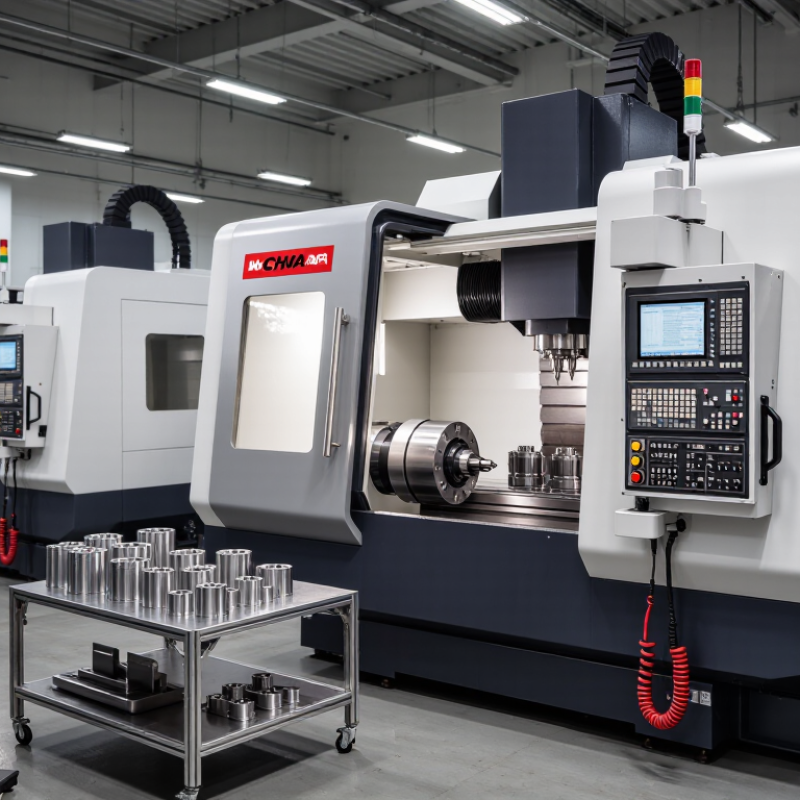
A China vertical CNC machine is a computer-controlled milling center made in China. Its spindle moves vertically above a fixed worktable. This layout suits plates, blocks, molds, and medium-sized metal parts. Common operations include face milling, drilling, tapping, boring, slotting, and contour cutting. Three-axis models handle routine work, while fourth- or fifth-axis systems machine angled surfaces with fewer setups.

The machine’s practical value depends on details, not its country of origin. A rigid cast-iron frame reduces vibration. Linear guides support smooth travel, while a servo system controls positioning. Automatic tool changers shorten pauses between operations. Coolant removes heat and carries chips away. In daily production, operators also watch spindle temperature, tool wear, and fixture alignment. Small errors become visible on a 500-millimeter plate.

Industry data shows why this equipment attracts attention. Fortune Business Insights valued the global CNC machine market at about 83.99 billion dollars in 2023. Its report projects roughly 114.60 billion dollars by 2032. MarketsandMarkets also expects steady growth through 2029, driven by automation and precision manufacturing. These figures show demand, not guaranteed performance. A lower purchase price can hide weak thermal stability or limited service support. That part is easy to underestimate.

The best selection requires measured evidence. Ask for repeatability tests, spindle-load data, sample cuts, and documented inspection records. One overlooked issue remains: advertised accuracy may reflect ideal conditions, not a hot production floor.
Key Types of Vertical CNC Machines Made in China

What Is the Best China Vertical CNC Machine?

Key Types of Vertical CNC Machines Made in China

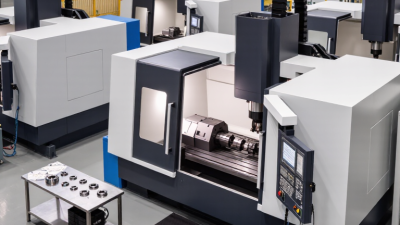
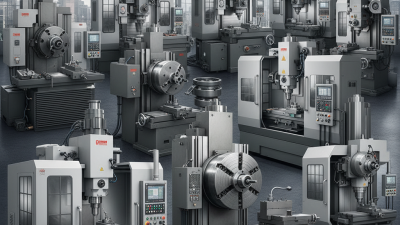
Choosing the best China vertical CNC machine starts with the workpiece, not the catalog. In practical shop evaluations, spindle power must match real cutting loads. A three-axis vertical machining center suits plates, brackets, and general milling. Its fixed column provides stable access, while a 600–800 mm table handles many medium-sized parts. For repeated holes, a vertical CNC drilling and tapping machine can be faster and more economical. It uses a compact spindle and rapid tool changes. Keep coolant control and chip evacuation in view.

For angled faces, a fourth-axis vertical machine reduces manual repositioning. It can improve consistency on flanges, shafts, and indexed fixtures. A five-axis vertical CNC machine reaches complex surfaces with fewer setups. This helps with molds, aerospace-style components, and medical equipment parts. However, five axes add calibration work, programming demands, and maintenance costs. More movement is not automatically better. It may become expensive decoration in a simple production cell.

Large castings may need a gantry-style vertical machining center. This is useful when the table must carry wide, heavy workpieces. Check column rigidity, guideway protection, spindle taper, thermal compensation, and measured positioning accuracy. Ask for test cuts using your material, tools, and tolerance targets. Chinese manufacturers offer broad configurations, but quality can vary between factories and machine batches. That is an uncomfortable truth. An audited inspection plan and independent acceptance test are safer than trusting a brochure. Budget for tooling, fixturing, installation, and operator skill, not only the machine price.

How to Evaluate Accuracy, Speed, and Machine Construction

Choosing the best China vertical CNC machine starts with measurable accuracy, not attractive specifications. Check positioning accuracy and repeatability under ISO testing conditions. A machine may claim excellent precision, yet perform differently after several hours of cutting. Ask for recent inspection reports, calibration records, and a sample test piece from the actual machine.

Speed also needs context. A high spindle speed means little if acceleration is weak or vibration appears during heavy milling. Examine rapid traverse rates, spindle torque, tool-change time, and control response. Test a typical part using your own material, cutter, and tolerances. I once focused too heavily on cycle time and overlooked tool deflection. The result was fast production with inconsistent edges.

Machine construction influences long-term reliability. Look for a rigid cast structure, properly supported linear guides, preloaded ball screws, and a spindle designed for the intended load. Inspect enclosure sealing, chip evacuation, lubrication access, and thermal management. These details affect daily maintenance and accuracy. A heavier frame is not automatically better. Poor assembly can waste its strength. Request a factory acceptance test, observe cutting noise, and measure the finished part at different temperatures. Even careful evaluations have limits; installation quality, foundation stability, coolant control, and operator habits can change the outcome.

Comparing Chinese CNC Manufacturers, Features, and Pricing

Choosing the best China vertical CNC machine requires comparing specifications, service, and real purchasing costs. Grand View Research valued the global CNC machine market at approximately USD 83.99 billion in 2023, with continued growth expected through 2030. This demand encourages Chinese manufacturers to offer broad configurations, from compact three-axis mills to five-axis production systems.

A practical three-axis vertical machining center usually includes a 500 × 400 mm worktable, BT40 tooling, 8,000–12,000 rpm, and a 24-tool changer. Typical export quotations range from USD 18,000 to USD 35,000 before freight, installation, and taxes. Higher-end five-axis models can exceed USD 100,000. These figures are indicative, not promises. Configuration changes pricing quickly.

Check positioning accuracy under ISO 230 testing, spindle runout, casting quality, and controller compatibility. Ask for inspection records, sample-cut videos, and references from comparable industries. A lower price may hide weaker commissioning support or longer spare-part delays. That matters.

The 2024 Gardner Business Media machine tool outlook also shows strong interest in automation and connected production. Therefore, buyers should examine chip conveyors, probing systems, remote diagnostics, and robot interfaces. In my experience, a stable 10,000 rpm spindle can be more valuable than an impressive maximum speed. Chinese suppliers often provide strong value, but quality consistency still requires factory audits and independent acceptance testing. No shortlist should rely on photographs alone.

Selecting the Best China Vertical CNC Machine for Your Needs

Selecting the Best China Vertical CNC Machine for Your Needs

Choosing a China vertical CNC machine should begin with your production goals, not a low purchase price. Define the materials, part dimensions, tolerances, and monthly workload. A compact machine may suit aluminum prototypes, while steel components require greater rigidity and torque. Consider the table size, spindle speed, travel range, tool capacity, and controller interface. Small details matter.

During machine evaluations, request a live cutting test with your material. Watch the spindle during a 6061 aluminum pocketing operation. Listen for vibration, inspect the surface finish, and measure the finished pocket with calibrated tools. Ask for positioning accuracy and repeatability reports. These documents should identify testing methods, not only attractive numbers. A heavy cast-iron structure can improve stability, but poor assembly may still create errors. That is easy to overlook.

Service support deserves equal attention. Confirm spare-part availability, remote troubleshooting, installation guidance, and technician response times. Ask whether electrical components match your workshop’s power supply and safety requirements. Review the warranty in detail. A short video call with an operator can reveal more than polished photographs. I once underestimated training needs, and production slowed for several days. That experience changed my selection process. The best machine is not always the fastest. It is the one your team can operate confidently, maintain consistently, and verify accurately. Reliability develops through evidence, testing, and honest questions.