Inquiry Us
Leave Your Message

What Are the Top Vertical Machine Suppliers in 2026?

Choosing the top Vertical Machine suppliers in 2026 requires more than comparing brand recognition or catalog prices. Buyers now examine spindle performance, thermal stability, automation readiness, service coverage, and long-term operating costs. A machine may look impressive under showroom lighting, yet struggle beside a real production line.

Professor Yusuf Altintas, a leading manufacturing automation expert, has observed, “Machine tools are the mother machines of manufacturing.” His point remains highly relevant. A vertical machining center shapes the accuracy, speed, and consistency of many downstream products. That responsibility makes supplier evaluation a practical engineering decision, not a popularity contest.

This guide reviews major Vertical Machine suppliers through measurable criteria. These include machining accuracy, control technology, tool-changing speed, energy use, operator support, and global maintenance networks. It also considers how each company serves small workshops, automotive plants, aerospace manufacturers, and flexible production environments.

Some conclusions may remain imperfect. Public specifications rarely reveal every maintenance delay, software limitation, or operator complaint. Real performance depends on installation quality, material choice, cutting strategy, and workforce training. That uncertainty matters.

The strongest suppliers usually combine proven machine design with responsive local support. They also update controls without abandoning older customers. Buyers should inspect test cuts, request service records, and speak with current users before signing contracts.

The best choice is rarely the most expensive machine. It is the supplier that delivers stable results after the sales team leaves.
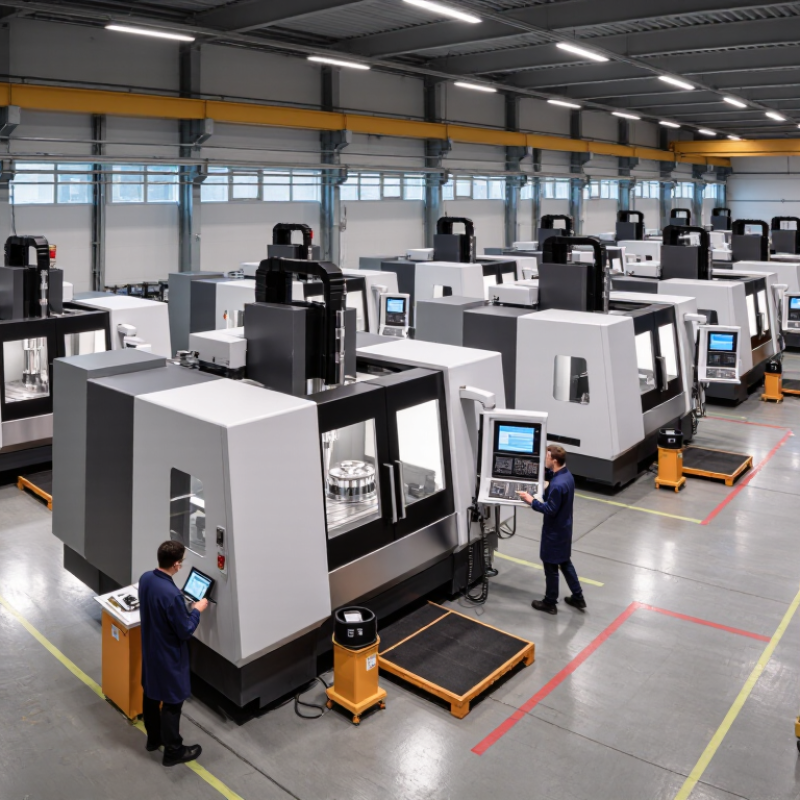
What Are the Top Vertical Machine Suppliers in 2026?

What Is a Vertical Machine and Why Does It Matter in 2026?

A vertical machine is a CNC system with its spindle positioned above the worktable. It removes material through rotating cutters, while computer-controlled axes guide movement with measured precision. In 2026, manufacturers use these machines for housings, plates, molds, and small production parts. The design matters because operators can see the cutting area clearly. Setup is often faster, especially when fixtures remain accessible from the front.

Modern vertical machines now combine higher spindle speeds, automatic tool changers, probing systems, and thermal compensation. These features can reduce adjustment time during long production runs. A practical evaluation should include a test cut using the buyer’s actual material. Steel, aluminum, and hardened alloys behave differently under identical settings. Watch the chip shape, surface finish, vibration, and tool wear. Numbers on a specification sheet cannot reveal everything.

The strongest suppliers in 2026 will offer more than hardware. They should provide application support, operator training, spare-parts access, and responsive maintenance. Local service coverage can matter more than a slightly lower purchase price. Energy monitoring and connected diagnostics may also improve factory planning. However, automation is not always the best answer. A small workshop may gain little from complex robotic loading. I would question any recommendation that ignores floor space, worker skills, fixture design, and production volume. No machine is perfect. Even advanced equipment needs careful calibration, realistic programming, and regular inspection.
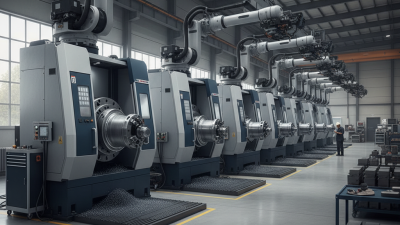
Which Criteria Define the Top Vertical Machine Suppliers?

The top vertical machine suppliers in 2026 should be judged by more than price or showroom appearance. A credible supplier explains machine limits clearly. That matters.

Experience shows that rigid construction is essential for stable cutting. Buyers should examine spindle speed, torque, positioning accuracy, and repeatability. Thermal compensation can reduce drift during long production runs. A practical supplier should also provide test-cut results using comparable materials and tools. Ask for measured data, not broad claims. Factory demonstrations often reveal vibration, chip control, and operator access more effectively than brochures.

Technical support is another defining criterion. Reliable suppliers offer installation guidance, operator training, preventive maintenance, and responsive troubleshooting. Spare-part availability can protect production schedules when a small component fails. Documentation should be detailed, current, and easy to follow. Independent certifications and traceable inspection records strengthen confidence. References from facilities with similar workloads are useful, but they should be checked carefully.

Cost needs a wider view. Energy use, tooling compatibility, software integration, and maintenance hours can change the real investment. A low purchase price may become expensive later. No supplier gets every detail right. Even experienced teams can overlook workflow problems during a rushed evaluation. I would require a written acceptance plan, including accuracy checks, cycle-time targets, and training responsibilities. A supplier willing to discuss weaknesses may deserve more trust than one promising perfect performance.

What Are the Top Vertical Machine Suppliers in 2026? - Which Criteria Define the Top Vertical Machine Suppliers?

Evaluation Dimension Industry-Relevant Benchmark Why It Defines a Top Supplier Recommended Evidence
Machine Configuration 3-axis, 4-axis, 5-axis, and multi-task vertical machining solutions A broad configuration range enables suppliers to serve prototype, production, complex-contour, and high-mix applications. Published machine portfolio, axis specifications, and application case studies
Positioning Accuracy Typically specified in micrometres and verified under recognized machine-tool test procedures Higher positioning accuracy supports tighter tolerances and reduces scrap in precision manufacturing. Factory acceptance-test reports based on ISO 230-2 or equivalent procedures
Repeatability Usually reported separately from positioning accuracy, with values commonly measured in micrometres Consistent repeatability is essential for batch production, automated loading, and unattended machining. Bidirectional repeatability test results and inspection records
Spindle Performance A range from approximately 8,000 to more than 30,000 rpm, depending on material and application The right combination of speed, torque, and power improves productivity across steel, aluminium, composites, and non-ferrous materials. Spindle speed, continuous power, peak torque, taper standard, and thermal-growth data
Work Envelope Travel and table-load capacity matched to the intended workpiece range Adequate travel, table size, and load capacity prevent part-size limitations and improve production flexibility. X/Y/Z travel, table dimensions, maximum workpiece weight, and clearance diagrams
Productivity Rapid traverse, acceleration, tool-change time, and chip-to-chip time evaluated together Productivity depends on total cycle time rather than spindle speed alone. Verified cycle-time studies using representative parts and cutting conditions
Automation Readiness Compatibility with pallet changers, robotic loading, bar feeders, probing, and monitoring systems Automation increases machine utilization and supports lights-out or low-attendance production. Interface specifications, robot integration records, pallet capacity, and automation options
Control and Connectivity CNC control with diagnostics, remote monitoring, program management, and industrial data connectivity Connected controls simplify troubleshooting, improve visibility, and support data-driven manufacturing. Supported communication protocols, cybersecurity features, and software documentation
Thermal Stability Thermal compensation, controlled coolant systems, and stable machine structures Thermal control helps maintain dimensional consistency during long cycles and changing shop conditions. Thermal-growth test data, compensation functions, and environmental operating limits
Service and Support Documented installation, training, preventive maintenance, spare-parts, and remote-support programs Strong support reduces downtime and shortens the time required to reach stable production. Response-time commitments, service coverage, technician availability, and parts lead times
Reliability and Availability Measured through uptime, mean time between failures, maintainability, and service history Reliable equipment improves delivery performance and lowers the total cost of ownership. Reference-site interviews, maintenance records, warranty statistics, and uptime reports
Safety and Compliance Risk assessment, guarding, interlocks, emergency stops, electrical compliance, and user documentation Compliance protects operators and supports lawful installation and operation in the target market. Declaration of conformity, applicable certification, risk-assessment documents, and manuals
Energy and Sustainability Efficient motors, standby modes, optimized coolant systems, and measurable energy-consumption data Lower energy use can reduce operating costs and support environmental reporting requirements. Power-consumption measurements, energy-management functions, and lifecycle information
Total Cost of Ownership Purchase price evaluated with installation, tooling, maintenance, energy, training, and downtime costs The lowest purchase price does not necessarily deliver the lowest long-term manufacturing cost. Five- to ten-year cost model, warranty terms, consumables, service rates, and resale assumptions
Customer Validation Documented results from comparable industries, materials, part sizes, and production volumes Independent customer evidence is more credible than catalogue claims alone. Auditable references, acceptance-test results, production samples, and third-party evaluations

Who Are the Leading Vertical Machine Suppliers in 2026?

Who Are the Leading Vertical Machine Suppliers in 2026?

Leading vertical machine suppliers in 2026 are defined by measurable performance, not impressive advertising. The strongest suppliers provide rigid machine frames, stable spindle systems, and precise thermal control. Their equipment supports milling, drilling, tapping, and repeat production with consistent results. Factory visits often reveal more than brochures. Watch the machine cutting steel, changing tools, and handling chips under pressure.

Reliable suppliers also offer practical engineering support. Their teams help customers select spindle speed, table size, control functions, and automation options. Strong training programs reduce setup mistakes and improve operator confidence. Spare-part availability matters, especially when one idle machine delays an entire production schedule. A clear service agreement should explain response times, remote support, and on-site repair procedures.

Not every large supplier is the best fit. A smaller specialist may understand complex components better. Price comparisons can also mislead when installation, software, tooling, and maintenance are excluded. Ask for verified accuracy data and references from similar workshops. Check performance after several months, not only during acceptance testing. I would also question optimistic productivity claims; real results depend on material, programming, operator skill, and factory conditions. This assessment is imperfect, because supplier quality can vary between regions and individual service teams.

How Do the Main Suppliers Compare in Technology and Performance?

Comparing the leading vertical machine suppliers in 2026 requires more than reading speed claims. The strongest suppliers combine rigid machine frames, high-resolution encoders, and responsive control systems. These features help maintain accuracy during continuous cutting. However, advertised tolerances may come from ideal factory conditions.

Technology differences appear clearly during practical trials. Some suppliers offer integrated sensors that monitor vibration, tool wear, and spindle temperature. Others focus on faster automation, including pallet changers and robotic loading. A useful comparison should examine cycle time, surface finish, energy use, and recovery after an unexpected stop. In my experience, a machine with slightly slower motion can deliver better output when its software reduces rework.

Service performance also separates the main suppliers. Reliable remote diagnostics can shorten downtime, but only when technicians interpret data correctly. Training quality matters. So does spare-parts availability. A factory should request sample cuts using its own materials, tools, and production drawings. That test often exposes weaknesses hidden by demonstrations. Some results may disappoint. That is useful evidence, not failure. Supplier documentation can also be incomplete, especially around software updates and long-term maintenance costs. Buyers should record these gaps before comparing final prices.

How Can Buyers Choose the Right Vertical Machine Supplier?

Choosing a top vertical machine supplier in 2026 requires more than comparing brochure prices. Buyers should examine proven experience with similar materials, part sizes, tolerances, and production volumes. Ask for sample parts made on the proposed machine. Inspect surface finish, dimensional reports, cycle times, and tool wear. A polished demonstration can hide practical limitations.

Supplier expertise should appear in specific evidence. Review machine testing procedures, installation records, operator training, and maintenance instructions. Speak with recent customers, not only selected references. Check response times for spare parts and technical support across your operating hours. A reliable supplier should explain warranty limits clearly. Vague promises deserve caution.

Compare the full ownership cost. Include tooling, software updates, freight, installation, energy use, training, and expected downtime. Confirm controller compatibility with your existing workflow and request documentation for safety and service access. The best supplier may not offer the lowest initial quote. That lesson is easy to overlook.

Visit the factory if possible. Watch how components are inspected, stored, and assembled. Ask what happens when accuracy drifts after heavy use. Honest answers matter. No supplier is perfect, and buyers can misjudge future demand. Recheck your forecast before signing. A flexible machine, responsive support team, and measurable quality records usually create stronger long-term value than impressive specifications alone.

Top Vertical Machine Supplier Selection: Buyer Priorities for 2026

This neutral RFQ scoring model helps buyers compare vertical machine suppliers without relying on brand names. The recommended weighting emphasizes machine performance, total cost of ownership, service capability, delivery reliability, application support, and automation readiness. Buyers can adjust the percentages according to their production volume, material requirements, and long-term growth plans.