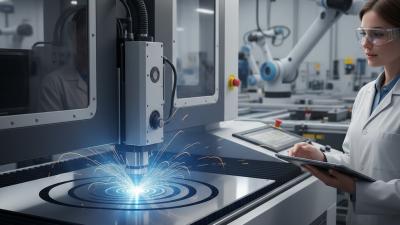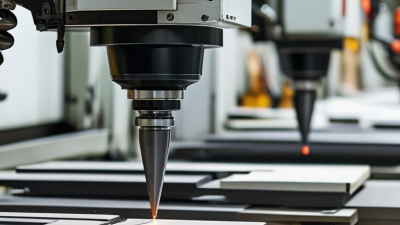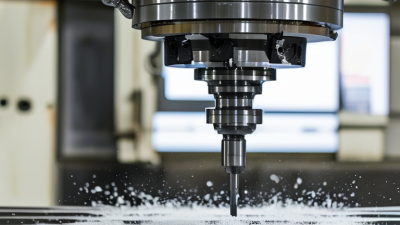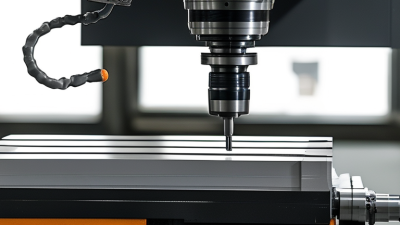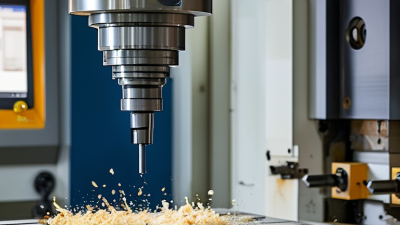
A Laser Cnc Machine combines focused light, computer control, and precise motion to shape materials. It may cut, engrave, mark, or drill with remarkable consistency. The process begins with a digital drawing. Software converts that drawing into toolpaths. A controller then guides the laser head across the work surface.
John F. Ready, a respected authority on industrial lasers, described the laser as “a source of intense, coherent light.” That concentrated beam creates a small heat zone. Depending on the material, it melts, vaporizes, or separates the surface. Assist gas can push away molten residue and improve the cut edge. Mirrors, lenses, rails, and sensors must work together. A dirty lens can produce uneven lines. Incorrect focus can leave scorched corners or incomplete cuts.
The machine is precise, but not effortless. Operators still choose suitable power, speed, focus, and gas pressure. Aluminum may reflect energy differently from plywood. Acrylic can produce a polished edge, while thick steel may require more power and slower movement. These differences make practical testing essential. A chart can suggest settings. It cannot replace observation.
Small details matter. Watch the kerf width. Check the underside for excess residue. Measure the finished part. Even experienced users sometimes overlook material moisture, warped sheets, or unstable ventilation. That is a useful limitation to remember. A Laser Cnc Machine follows instructions accurately, but it does not understand design intent. Safe operation also requires proper guarding, extraction, maintenance, and training. This guide explains how the system works, what each component does, and where real-world results can differ from theory.
What Is a Laser CNC Machine?
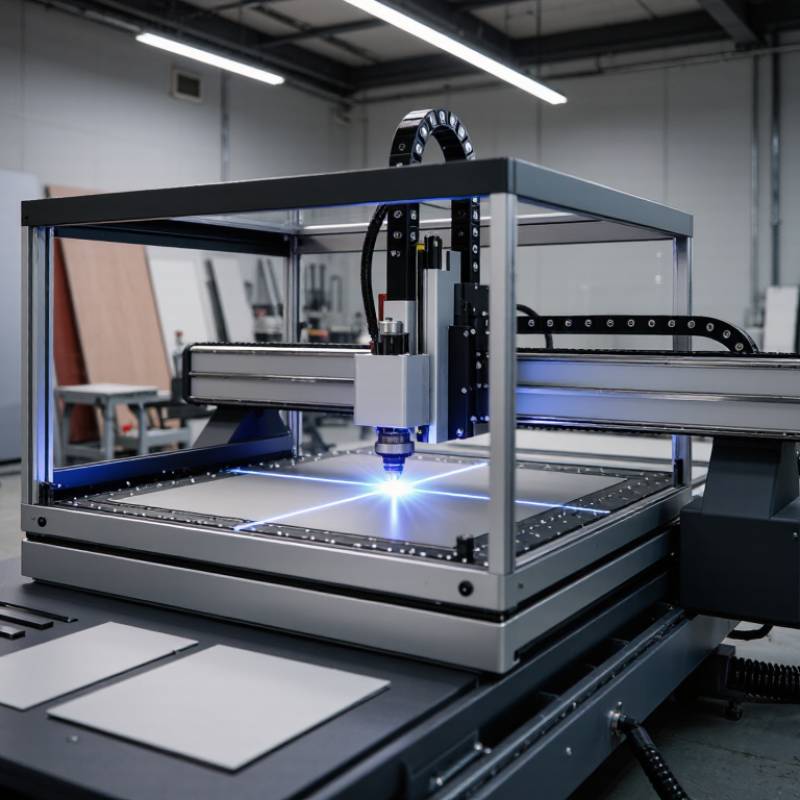
A laser CNC machine is a computer-controlled cutting or engraving system. CNC means computer numerical control. The machine follows digital coordinates instead of manual markings. Its main parts include a laser source, motion rails, focusing head, worktable, controller, and fume-extraction system. An enclosure may also protect operators from reflected light and flying debris.
The laser concentrates light into a tiny cutting point. Depending on the material, it melts, burns, or vaporizes a narrow path. The CNC controller moves the laser head across programmed X, Y, and sometimes Z axes. A focused beam can create clean edges on sheet metal, plastics, wood, and other approved materials. Material thickness, beam power, lens condition, and airflow all affect the result. Small setup errors matter.
The definition is not perfectly tidy. Some machines only engrave, while others cut thick metal with assisted gas. They should not be judged by wattage alone. According to MarketsandMarkets’ Laser Cutting Machine Market report, the sector was estimated at about USD 6.3 billion in 2024 and may reach USD 9.4 billion by 2029. Fortune Business Insights also projected continued market growth, estimating a global value of USD 6.83 billion in 2023. These figures show strong adoption, but they do not guarantee production quality. In practice, calibration and operator experience remain decisive. That part is easy to underestimate.
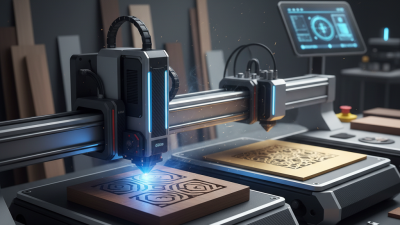
A laser CNC machine combines a focused light source with computer-controlled movement. Its laser source creates the cutting or engraving beam. The power supply controls energy output and keeps operation stable. Beam delivery optics then guide the beam toward the material. Lenses concentrate the light into a tiny point. Even a small lens defect can reduce cutting accuracy.
The motion system usually contains motors, guide rails, belts, or lead screws. These parts move the laser head across the work area. A CNC controller reads digital design instructions and converts them into coordinated motion. It also manages speed, power, and travel direction. The worktable supports the material during processing. Honeycomb tables reduce contact marks, while slat tables help with thicker sheets. Neither design works perfectly for every material.
Cooling equipment protects the laser source and other heat-sensitive parts. Air or liquid cooling may be used, depending on the machine’s power. An exhaust system removes smoke, dust, and unpleasant fumes from the cutting zone. Enclosures and safety interlocks help prevent accidental exposure to the beam. Sensors can monitor temperature, airflow, and door position. In practical operation, alignment matters as much as rated power. A loose mirror, dirty lens, or uneven table can spoil an otherwise accurate job. Operators should inspect these components regularly, although maintenance schedules often need adjustment for dust levels, workload, and material type.
What Is a Laser CNC Machine and How Does It Work?
How Laser CNC Cutting Works Step by Step
A laser CNC machine converts a digital drawing into precise cutting movements. The operator imports a CAD file and selects material, thickness, speed, and laser power. The control system then converts this information into machine coordinates. According to Grand View Research, the global laser cutting machine market was valued at about USD 5.8 billion in 2023. That growth reflects demand for faster, repeatable fabrication.
The cutting process starts when the laser source produces a concentrated light beam. Mirrors or fiber delivery systems guide the beam toward the cutting head. A focusing lens narrows it onto the material surface. Heat rapidly melts, burns, or vaporizes a small area. Assist gas removes molten debris from the cut zone. The CNC controller moves the head along programmed paths, creating holes, slots, and contours. Very small details.
Before production, an experienced operator checks the nozzle, lens, material flatness, and gas pressure. These details matter. A warped sheet can distort an otherwise accurate program. MarketsandMarkets projects the laser cutting machine market to reach approximately USD 8.7 billion by 2028, showing how automation continues to expand. Yet reported accuracy does not guarantee perfect results. Reflective metals, contaminated optics, and excessive heat can produce rough edges or taper. A test cut remains valuable, even when the software predicts success. That practical step is easy to skip, and it often causes avoidable waste.
| Step | Process Stage | How It Works | Main Variables | Typical Result |
|---|---|---|---|---|
| 1 | Create the Digital Design | A two-dimensional vector drawing defines the contours, holes, engraving paths, and cutting order. | File format, scale, line geometry, kerf allowance, part nesting | A machine-readable cutting layout |
| 2 | Generate CNC Toolpaths | CAM or control software converts the drawing into movement commands for the laser head and worktable. | Cut sequence, lead-ins, pierce points, travel speed, coordinate system | A programmed toolpath, commonly delivered as machine-readable code |
| 3 | Secure and Prepare the Material | The sheet or workpiece is placed on a support bed and aligned within the machine coordinate system. | Material type, thickness, flatness, bed support, origin position | Stable positioning with reduced risk of movement or distortion |
| 4 | Generate the Laser Beam | A laser source produces concentrated light. The beam is guided through optical components toward the cutting head. | Laser type, rated power, beam quality, duty cycle | A focused beam with sufficient energy for the selected material |
| 5 | Focus the Beam | A focusing lens concentrates the beam into a small spot, increasing energy density at the material surface. | Focal length, focus position, nozzle alignment, stand-off distance | A narrow heat-affected zone and controlled kerf width |
| 6 | Pierce the Material | The laser applies energy at a starting point until the beam penetrates the material before the cutting path begins. | Piercing power, pulse duration, piercing time, assist-gas pressure | A clean starting hole with limited splash or surface damage |
| 7 | Melt, Vaporize, and Eject Material | The focused beam heats the material locally. An assist gas removes molten material and helps maintain the cut. | Laser power, cutting speed, gas type, gas pressure, material thickness | A continuous kerf through the workpiece |
| 8 | Move Along the CNC Path | Servo motors move the cutting head, worktable, or both along programmed X, Y, and sometimes Z axes. | Acceleration, corner speed, path accuracy, machine rigidity | Repeatable shapes and consistent dimensional accuracy |
| 9 | Finish and Inspect the Part | The finished part is removed, checked for burrs and dimensional accuracy, and cleaned or deburred when necessary. | Edge quality, tolerance, dross, heat tint, surface condition | A cut component ready for assembly or secondary finishing |
A laser CNC machine uses computer-controlled movement to guide a focused beam across a material. The beam heats, melts, or vaporizes a tiny path. Cutting depth depends on power, speed, focus, and material thickness. In practical workshop use, correct focus often matters more than expected. A slightly misaligned lens can leave dark edges or incomplete cuts.
Wood, plywood, paper, cardboard, acrylic, leather, and many fabrics respond well to laser processing. They support signs, packaging prototypes, ornaments, architectural models, and custom panels. Acrylic usually produces smooth, polished edges. Wood creates warm edges, but resin pockets may char unpredictably. Leather can show clear detail, although its surface may darken and smell strongly.
Some machines can mark coated metals, anodized surfaces, glass, stone, or ceramics. Dedicated metal-cutting systems handle thin metal sheets more effectively than general-purpose machines. Materials containing chlorine, such as certain plastics, should not be processed because their fumes can damage equipment and endanger workers. Ventilation, filtration, material safety data, and a small test piece are essential. Never trust a material name alone. Suppliers sometimes use vague labels, and similar-looking sheets can behave differently. Results also vary with moisture, grain direction, coating, and temperature. That uncertainty deserves attention.
A laser CNC machine directs a focused beam across a programmed cutting path. The beam heats, melts, or vaporizes material with remarkable control. Unlike mechanical cutters, it has no blade that dulls through contact. This allows clean edges, detailed patterns, and consistent results across repeated parts. In practical workshops, operators often notice less setup time and fewer tool changes. The process can also reduce material waste when software arranges shapes tightly on a sheet.
Laser CNC technology offers speed, accuracy, and excellent repeatability. It suits thin metal, wood, acrylic, fabric, and several engineered materials. However, performance depends heavily on power, lens condition, airflow, and material quality. Reflective metals can redirect energy and require careful machine selection. Thick materials may develop rough edges or a wider heat-affected zone. Smoke and fine particles also demand proper extraction. The initial investment can be significant, and careless settings may leave scorched surfaces. It is efficient, but not effortless. I have found that production estimates sometimes look optimistic before testing the actual material.
Tips: Run a small sample before full production. Check edge quality, cutting speed, and heat marks. Keep lenses clean, secure ventilation, and review the CNC file carefully. A tiny design error can repeat across every part.