How to Choose the Best 5 Axis CNC Machine for Your Needs?
Choosing the right 5 Axis CNC machine for your needs can profoundly impact your production efficiency. According to recent industry reports, the global CNC machine market is expected to grow at a CAGR of over 6% from 2023 to 2030, highlighting the increasing demand for precision engineering. 5 Axis CNC machines offer remarkable flexibility, allowing for complex geometries that traditional machines struggle with.
When selecting a 5 Axis CNC, consider specific factors. Are you focusing on speed, accuracy, or versatility? Each application may require different features, such as spindle speed or axis movement capabilities. Reports from major manufacturers indicate that companies often underestimate the importance of machine software compatibility. An unsuitable software choice can hamper operational efficiency.
While the investment in a high-quality 5 Axis CNC machine can be substantial, it’s crucial to ensure it aligns with your production goals. Perceptions of these machines being too intricate often lead to hesitations. However, the time spent mastering them can yield significant returns. Always weigh the learning curve against potential productivity gains. Making an informed choice can be challenging, but understanding your unique requirements is essential.
Understanding 5 Axis CNC Machines: Key Features and Benefits
5 Axis CNC machines are revolutionary in precision manufacturing. They enhance machining capabilities by offering flexibility and efficiency. According to a report by Grand View Research, the global CNC machine market is expected to reach USD 117.57 billion by 2027, driven by the rising demand for automation in manufacturing processes. This highlights the significance of investing in advanced machining technologies like 5 Axis CNC machines.
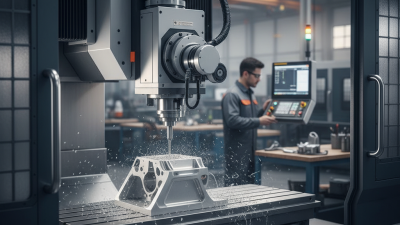
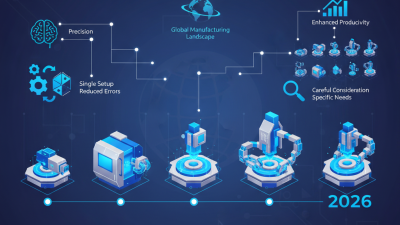
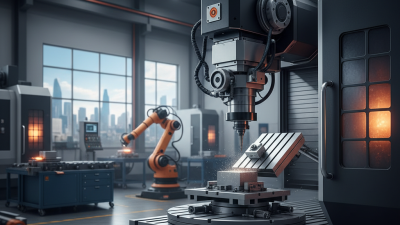
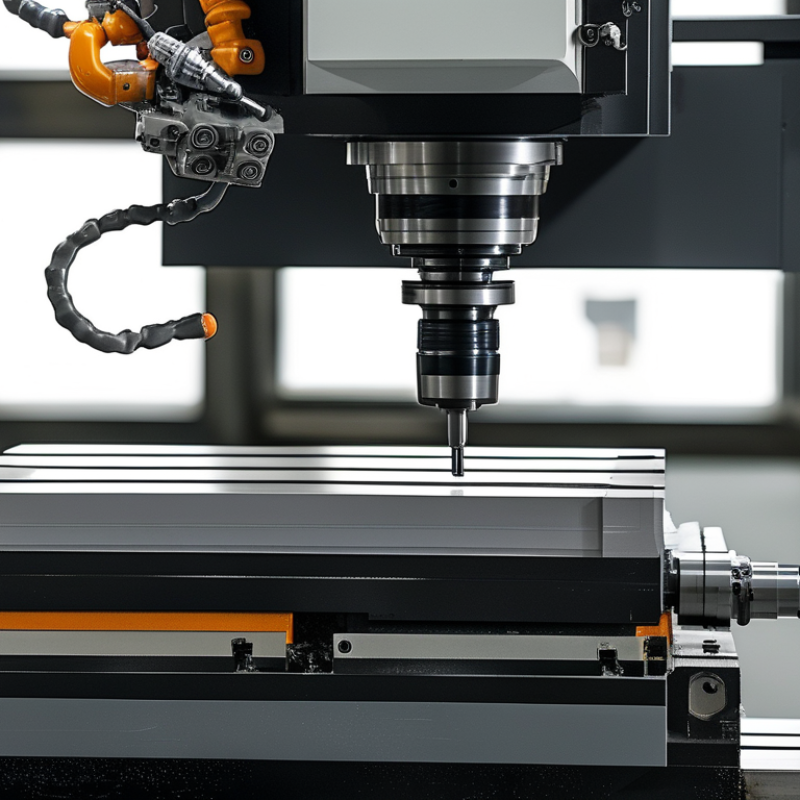
Key features of 5 Axis CNC machines include their ability to rotate the workpiece and tool simultaneously. This places them ahead of traditional CNC machines, which generally operate on three axes. The increased maneuverability reduces the need for multiple setups, minimizing machining time. A study conducted by the National Institute of Standards and Technology (NIST) showed that 5 Axis machining can achieve up to 50% time savings over traditional methods. However, operating a 5 Axis machine requires skill and training. There can be a steep learning curve for operators, impacting initial productivity.
Moreover, the investment in 5 Axis technology can be daunting for small to medium enterprises. The cost of the machine and maintenance can be considerable. Yet, the potential for increased profit margins through higher efficiency and quality often outweighs these initial challenges. Continual advancements in software and training programs are essential to fully harness the capabilities of these machines, reflecting an ongoing need for adaptation within the industry.
Identifying Your Specific Machining Needs for Optimal Performance
Identifying specific machining needs is critical when selecting a 5 axis CNC machine. Precision, material type, and volume requirements all play a significant role. According to a report by the International Federation of Robotics, over 70% of manufacturers prioritize accuracy in their production processes. Selecting a machine that can consistently deliver high precision is essential to maintaining product quality.
Different industries require different machining capabilities. Aerospace and automotive segments often demand high-speed machining for complex geometries. A study from the Association for Manufacturing Technology shows that production efficiency can improve by up to 30% with the right 5 axis CNC equipment. However, many businesses overlook their specific requirements and purchase machines that do not align with their operational goals.
Capacity is another vital factor. Understanding your material needs and daily output helps in making an informed decision. An ill-fitted machine can lead to bottlenecks and increased operational costs. Reflecting on real-world experiences reveals that 20% of users have faced production delays due to mismatched capabilities. Identifying and addressing these needs upfront can lead to substantial long-term benefits.
Choosing the Best 5 Axis CNC Machine: Performance vs. Cost
Evaluating Accuracy, Speed, and Material Compatibility in CNC Machines
When evaluating CNC machines, accuracy should be your top priority.
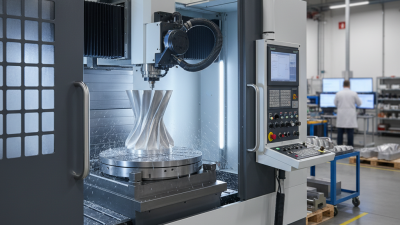
The precision of a 5-axis CNC machine can significantly affect the final product. Look for machines that offer
tight tolerances and the ability to execute complex geometries.
A machine’s rigidity and the quality of its components are critical for maintaining accuracy while minimizing
vibrations during operation. Regular assessment of these factors can prevent costly errors.
Speed is another essential consideration. The best 5-axis CNC machines
balance fast processing time with intricate detail. Pay attention to the rapid traverse rates and spindle speeds.
Machines that can adapt to different workloads increase efficiency. Additionally, assessing tool change times can
drastically impact productivity. Sometimes, a machine may seem quick but falls short in actual milling tasks.
Material compatibility also plays a vital role. Different CNC machines
handle various materials differently, from metals to plastics. Selecting a machine that works well with your
specific materials is crucial for quality. Many machines advertise versatility but may underperform with certain
composites. Regular testing and feedback can help refine your choices. Understanding these aspects empowers you
to choose a machine that meets all your expectations and minimizes errors.
Budget Considerations: Cost vs. Value in 5 Axis CNC Purchases
When choosing a 5-axis CNC machine, budget considerations are crucial. Many buyers focus on the initial cost, but value should drive the decision. A low price tag may lead to higher maintenance costs down the line. It's important to weigh not just the purchase price, but the machine's longevity and efficiency.
Look for features that enhance productivity. For example, high-speed spindles can reduce machining time. However, these features often come at a premium. Assess whether these enhancements align with your production needs. A machine with advanced capabilities can justify a larger investment if it significantly increases output.
Consider training and support as part of your budget. A low-cost machine without adequate training resources can become a burden. Ultimately, investing in the right machine means more than the sticker price. Reflecting on long-term costs will guide you toward a better purchase decision, providing both quality and value.
How to Choose the Best 5 Axis CNC Machine for Your Needs?
| Feature |
Budget Option |
Mid-Range Option |
High-End Option |
| Price Range |
$30,000 - $50,000 |
$50,000 - $100,000 |
$100,000+ |
| Axial Movement |
Travel: 20" x 20" x 20" |
Travel: 30" x 30" x 30" |
Travel: 40" x 40" x 40" |
| Spindle Speed |
10,000 RPM |
15,000 RPM |
20,000 RPM |
| Tool Capacity |
10 Tools |
20 Tools |
30 Tools |
| Control Type |
Basic 3D Control |
Advanced 3D Control |
Full Automation |
| Warranty |
1 Year |
2 Years |
3 Years |
Selecting the Right Supplier and Support Services for Your CNC Machine
When selecting a CNC machine, the choice of supplier and support services is crucial. An ideal supplier provides not just equipment, but also comprehensive support. A recent industry report by SME found that 70% of businesses prioritize supplier support when choosing machining equipment. This statistic highlights the importance of service reliability.
It's essential to evaluate the supplier’s reputation. Look for reviews from existing customers. Consider their experience in the industry. A supplier with at least five years of background can demonstrate stability and knowledge. During discussions, inquire about training options for your team. Proper training can reduce setup time and enhance productivity.
Tip: Always ask for references. Engaging with past clients offers insights into the supplier's reliability. Support services also play a pivotal role. Verify if they provide 24/7 customer service. A machine downtime can be costly, and prompt support can mitigate losses.
Finally, assess the warranty and service contracts. A clear warranty increases confidence in the purchase. Understanding the specifics of these agreements can reveal potential hidden costs. Given the complexities involved, ensure you have access to knowledgeable technicians. They can assist with maintenance, reducing downtime and prolonging the machine’s lifespan.