What is a Laser Cnc Machine and How Does it Work?
The rise of the Laser CNC Machine has transformed industries like manufacturing and design. Experts, like Dr. Emily Turner, a leading innovator in this field, emphasize its importance. She states, “Laser CNC Machines are redefining precision and efficiency in production.”
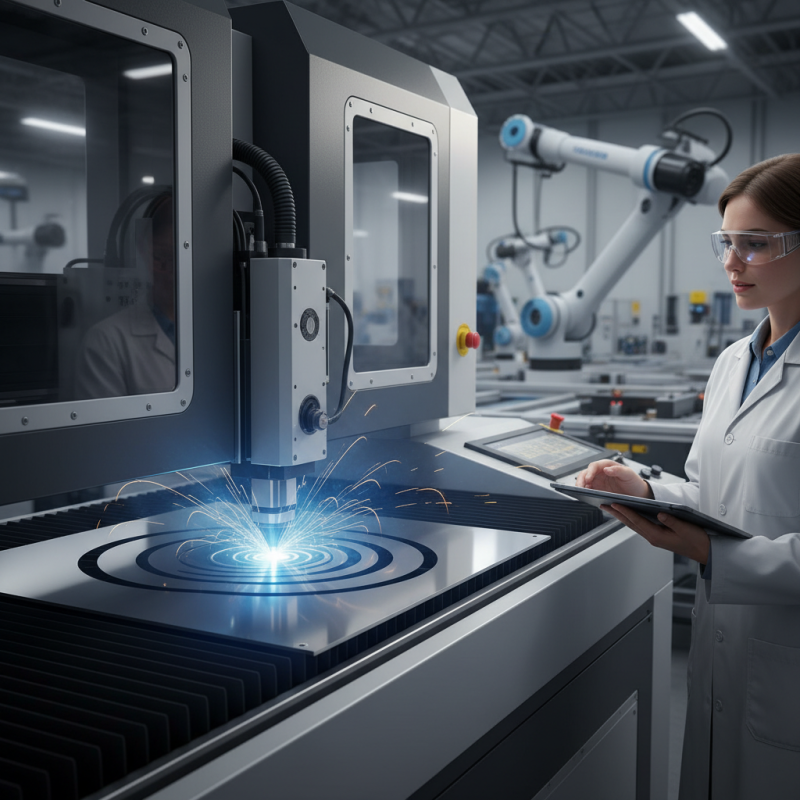
Laser CNC Machines use focused laser beams to cut or engrave materials. This technology allows for intricate designs with high accuracy. It operates by converting digital files into precise actions. However, while effective, mastering its operation can be challenging for newcomers.
Despite its benefits, there are complexities. Understanding settings and materials requires experience. Errors can lead to wasted resources and time. Industry professionals continually seek improvements in training and machine functionality. The future of Laser CNC Machines holds great promise, but learning and adaptation are vital for success.
What is a Laser CNC Machine?
A Laser CNC machine represents a significant advancement in manufacturing technology. This machine utilizes a high-powered laser to cut, engrave, or mark materials with precision. It operates using computer numerical control (CNC), allowing for intricate designs and repeatable accuracy. According to a report from MarketsandMarkets, the global CNC machine market is expected to reach $117 billion by 2025, driven by increasing automation in various industries.
The main components of a Laser CNC machine include a laser source, a lens system, and a motion control system. The laser generates a focused beam that is manipulated via mirrors and lens to achieve desired patterns. Key materials used in Laser CNC include wood, metal, acrylic, and fabric. Reports show that Laser CNC machines can increase production efficiency by up to 30%. However, they require regular maintenance, as the laser optics can accumulate dust and debris, affecting performance.
While Laser CNC machines offer remarkable capabilities, challenges remain. Operators must be skilled in both the software and hardware aspects of the machine. Additionally, safety precautions are critical; the laser beam can cause severe burns if mishandled. As more businesses adopt this technology, ensuring operator training and safety measures becomes increasingly important. Overlooking these factors can lead to costly mistakes and downtime.
Basic Components of a Laser CNC Machine
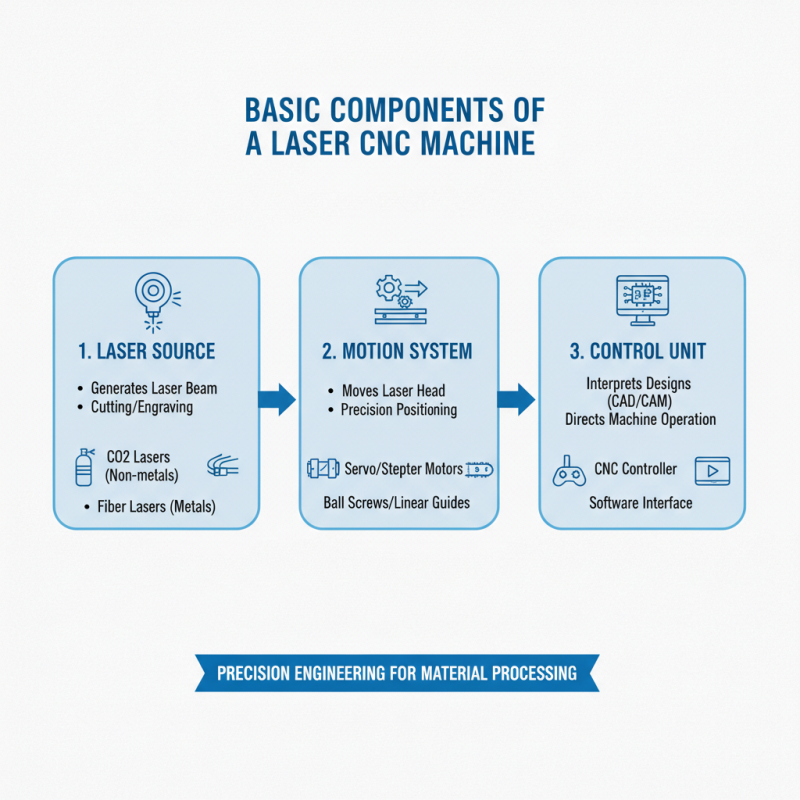
A laser CNC machine integrates advanced technology with precision engineering. To understand its efficiency, we must look at its basic components. At the heart of a laser CNC machine is the laser source. This component generates the laser beam, crucial for cutting or engraving materials. The most common types of lasers used are CO2 lasers and fiber lasers. CO2 lasers excel with non-metal materials, while fiber lasers are superior for metallic surfaces.
The machine’s motion system directs the laser with exceptional accuracy. This system consists of linear guides and servo motors. Industry reports, including findings from the Laser Institute of America, highlight that the precision offered by these machines leads to a reduction in waste by up to 30%. This is significant for manufacturers aiming for sustainability.
Finally, the control system interprets the design data and feeds instructions to the machine. Software plays a critical role here. However, the effectiveness of the process is ultimately dependent on the operator's skill. Without proper training, the potential of the machine may remain underutilized. Continuous learning and adaptation are essential in this ever-evolving field.
How Laser CNC Machines Operate
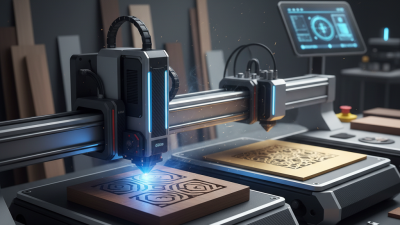
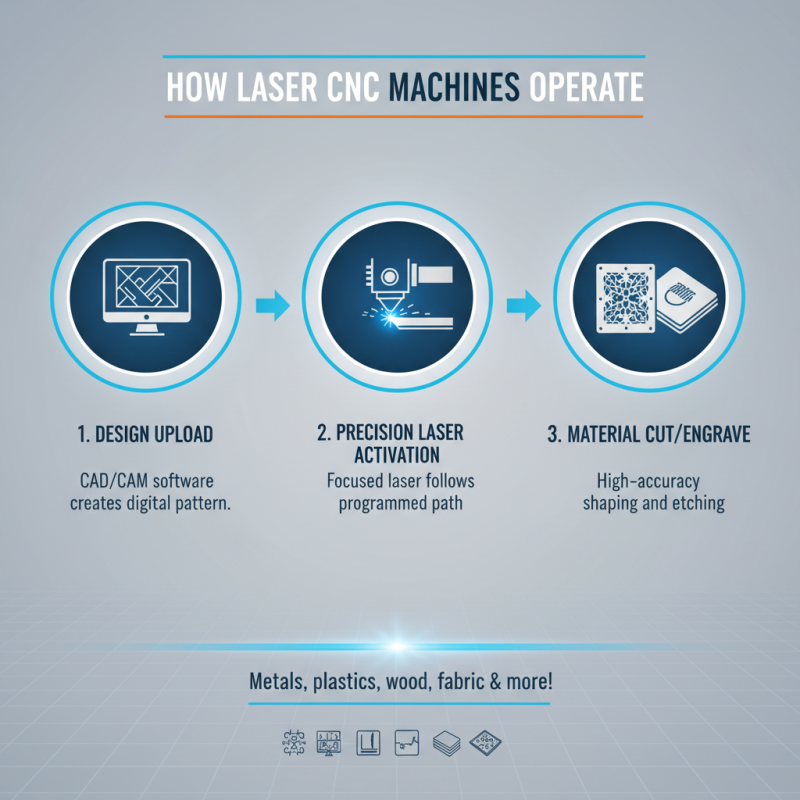
Laser CNC machines combine the precision of computer numerical control with the cutting ability of lasers. These machines use focused laser beams to cut or engrave materials. The process starts with a design uploaded to the machine. The laser follows the design with high accuracy, creating intricate patterns and shapes.
Understanding how laser CNC machines operate involves several key elements. The laser source generates a beam, which is then directed through a series of mirrors and lenses. This process focuses the beam onto the material. The intensity and speed of the laser can be adjusted, which impacts the cut quality. Operators must often experiment to find the right settings for different materials. Sometimes, results aren’t perfect. Adjusting the focus or speed might be necessary to achieve desired outcomes.
The software controlling the laser CNC is also crucial. It's responsible for translating the design into instructions. Errors can occur if the design isn't properly formatted. Additionally, the machine might require regular maintenance to keep operating effectively. This includes cleaning lenses and checking alignment. These aspects highlight the importance of attention to detail in laser cutting.
Applications of Laser CNC Technology
Laser CNC technology has transformed various industries, providing precision cutting and engraving capabilities. In manufacturing, laser CNC machines excel in creating intricate designs on materials like metal, wood, and plastic. This technology is widely used for signage, detailed artwork, and custom parts. The precision of laser cutting allows for minimal waste, making it both cost-effective and environmentally friendly.
In the medical field, laser CNC machines assist in producing surgical instruments and implants with high accuracy. The technology enables the creation of instruments tailored to specific requirements, enhancing surgical procedures. Furthermore, in the automotive industry, laser cutting is used for components that demand high precision. This application reduces production time and improves overall product quality. As industries continue to evolve, the potential uses of laser CNC machines expand, inviting innovation and efficiency.
Reflecting on its applications, challenges remain. Not all materials react well to laser technology, and some processes may require additional finishing. The need for skilled operators is essential to optimize performance. With ongoing advancements, there will be future improvements in laser CNC technology, enhancing its versatility and effectiveness.
Advantages of Using Laser CNC Machines
Laser CNC machines offer a plethora of advantages in modern manufacturing. These machines utilize laser technology, providing precision cutting and engraving capabilities that traditional methods struggle to achieve. The ability to cut through various materials, from metals to plastics, opens up new possibilities in design and production. This versatility makes them a valuable asset across industries like automotive and aerospace.
One of the key benefits of using laser CNC machines is efficiency. They operate at high speeds, significantly reducing production time. Additionally, their accuracy minimizes waste, as cuts are precise and tailored. However, the initial investment can be steep. Smaller businesses might hesitate to invest without clear short-term benefits. It’s crucial to evaluate the specific needs and potential ROI before proceeding.
Another significant advantage is the level of customization possible with laser CNC technology. Complex designs can be replicated with ease, ensuring each piece meets the required specifications. But while customization can enhance creativity, it can also lead to longer setup times. Manufacturers must balance efficiency with the desire for unique products. This reflects the ongoing challenge in optimizing laser CNC processes for both productivity and innovation.
Advantages of Using Laser CNC Machines