Why Choose a CNC Turning Center for Your Manufacturing Needs?
In today’s fast-paced manufacturing landscape, choosing the right equipment is crucial. A CNC Turning Center stands out as a versatile tool for various applications. This technology combines precision with efficiency, making it ideal for various industries. Manufacturers often face challenges in delivering high-quality products quickly. This is where a CNC Turning Center can make a difference.
Utilizing a CNC Turning Center offers remarkable advantages. It enhances productivity by automating processes that would otherwise require extensive manual labor. This results in faster turnaround times while maintaining high accuracy. However, not every business may see the same returns on investment. Understanding the specific needs and workflow of your operation is essential.
CNC Turning Centers are not without their complexities. While they can drive efficiency, mastering their operation requires skill and training. Some manufacturers may initially struggle to leverage this technology fully. As companies adapt, the benefits often become evident. Embracing a CNC Turning Center can pave the way for innovation and growth in manufacturing.
Benefits of Using a CNC Turning Center in Manufacturing
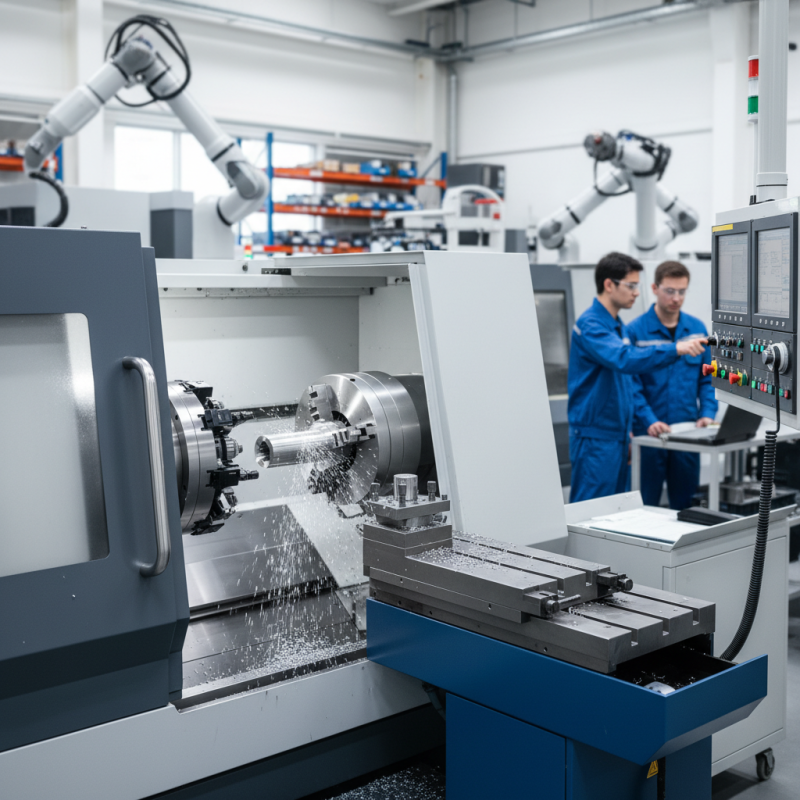
CNC turning centers have transformed modern manufacturing. They offer precision, efficiency, and flexibility, making them ideal for various industries. With a CNC turning center, manufacturers can produce complex parts with minimal human intervention. This technology reduces human error and improves quality.
One major benefit is the production speed. CNC turning centers can work continuously, significantly decreasing lead times. This is especially useful for large orders. Additionally, they allow for the machining of intricate geometries. Complex shapes can be created easily, which is often a challenge with traditional methods.
Tips for optimizing the use of a CNC turning center include regular maintenance checks. Keeping machinery in top shape can prevent unexpected downtimes. Training operators thoroughly is essential too. Skilled operators maximize machine capabilities. Remember, even small adjustments in settings can enhance precision. Balancing speed and accuracy should be a continuous focus. Addressing these aspects can lead to smoother operations and better product outcomes.
Why Choose a CNC Turning Center for Your Manufacturing Needs? - Benefits of Using a CNC Turning Center in Manufacturing
| Benefit |
Description |
Impact on Manufacturing |
| Precision |
CNC Turning Centers provide high precision and accuracy in manufacturing parts. |
Increases product quality and reduces waste. |
| Efficiency |
Automated processes minimize manual labor and speed up production times. |
Higher throughput and lower production costs. |
| Versatility |
Can handle various materials and complex geometries. |
Adaptable to different projects and requirements. |
| Cost-Effectiveness |
Reduces the cost of rework and material waste. |
Improves overall profitability of manufacturing processes. |
| Scalability |
Easily scalable for large production runs without significant increases in cost. |
Supports growth and demand fluctuations in the market. |
Key Features of CNC Turning Centers
CNC turning centers have become a staple in modern manufacturing. Their precision and efficiency contribute to higher productivity rates. According to a report by the International Federation of Robotics, CNC machines can improve productivity by up to 30%. This is crucial for manufacturers looking to stay competitive in a fast-paced industry.
Key features of CNC turning centers include automated tool changers and multi-axis capabilities. These features allow for complex geometries and reduce manual setup times. A study from the Manufacturing Technology Association highlights that using CNC turning centers can reduce lead times by over 40%. This means faster delivery and better customer satisfaction.
Tip: Regular maintenance is vital for maximizing the performance of your CNC turning center. Neglecting this can lead to unexpected downtimes and costly repairs. Additionally, consider investing in skilled operators who understand the intricacies of these machines. Their expertise can greatly enhance production quality and efficiency. Embracing CNC technology opens doors to innovation, but it requires ongoing reflection and adaptation.
Key Features of CNC Turning Centers
This bar chart illustrates the importance of key features of CNC Turning Centers, highlighting their precision, speed, flexibility, automation capabilities, and ability to handle complex tasks. These attributes make CNC Turning Centers a preferred choice in modern manufacturing.
Comparison of CNC Turning Centers and Traditional Machining
CNC turning centers are revolutionizing manufacturing processes, standing in contrast to traditional machining methods. A CNC turning center uses computer-controlled tools to produce precise components, increasing efficiency and reducing waste. Data suggests that CNC machining can achieve tolerances as tight as ±0.001 inches, significantly surpassing traditional methods.
Traditional machining often relies heavily on manual operations. This can introduce human error, leading to variations in product quality. Reports indicate that companies using traditional methods might experience scrap rates of up to 20%. In contrast, CNC turning centers typically operate with lower scrap rates, often under 5%. The automation involved in CNC machining allows for consistent production runs, enhancing overall productivity.
Yet, it’s essential to acknowledge challenges with CNC technology. The initial investment is higher than traditional machining setups, which can deter small businesses. Additionally, operating CNC machines requires skilled personnel who understand programming and machine maintenance. As industries evolve, balancing automation and skilled labor remains crucial for maximizing production quality.
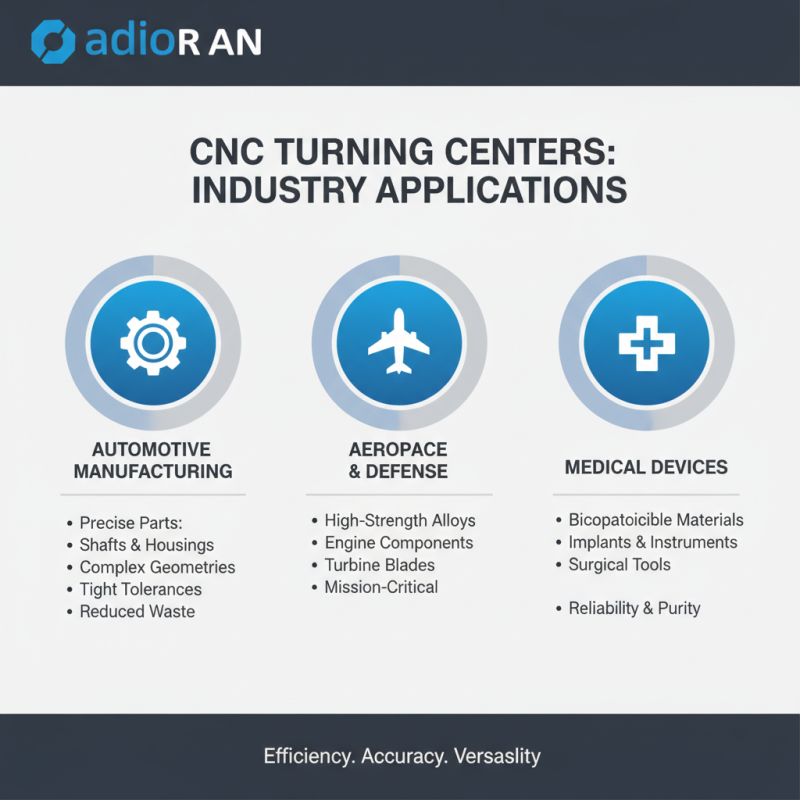
Applications of CNC Turning Centers in Various Industries
CNC turning centers are versatile tools used across various industries. In automotive manufacturing, these machines create precise parts, such as shafts and housings. Their ability to handle complex geometries improves efficiency and accuracy, a crucial factor in this competitive market. Operators can produce components with tight tolerances, reducing waste and rework.
In the aerospace sector, CNC turning centers play a vital role. They manufacture critical components like turbine blades and landing gear. The precision required in aerospace cannot be overstated. A small error can lead to significant issues. The ability to machine high-strength materials, such as titanium, further showcases their capability.
Medical device manufacturing also benefits from CNC turning technology. Components made for implants and surgical instruments demand high precision. The reliability of these parts can directly affect patient safety. However, the learning curve associated with these systems is a challenge. Ensuring operators are fully trained takes time. As with any technology, understanding its limitations is essential.
Cost-Effectiveness of CNC Turning Centers for Production Needs
CNC turning centers are increasingly popular in manufacturing due to their cost-effectiveness. These machines streamline production processes, which lowers operational costs. By automating turning operations, businesses save labor costs while ensuring precision and consistent quality. Lower setup times also contribute to this efficiency, allowing for more parts to be produced in less time.
When selecting a CNC turning center, consider the initial investment against long-term savings. A higher upfront cost can lead to greater efficiency gains. This investment often pays off through reduced scrap rates and faster turnaround times. Just think about how important accuracy is in reducing waste, which can drain resources.
Tips:
Evaluate the types of materials you plan to work with; some machines excel at certain materials. Regular maintenance is crucial to keep machinery performing at its best. Consider the flexibility of different models to accommodate changing production needs.
Ultimately, while CNC turning centers may seem complex, their benefits in cost and efficiency can significantly enhance your manufacturing operations. However, businesses should continually assess their needs to align with the best technology choices.