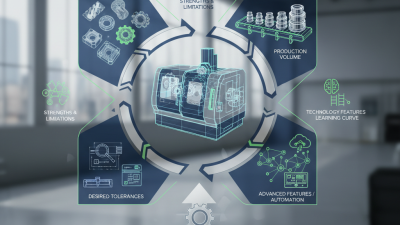
Choosing the best Turning Center in 2026 requires more than comparing spindle speed and brochure specifications. A reliable decision begins with your actual production needs. Consider material types, part diameter, tolerance targets, batch size, and available floor space. A compact machine may suit short aluminum components, while a rigid, high-torque model may handle hardened steel more effectively. The right choice should fit your workflow, not simply appear advanced.
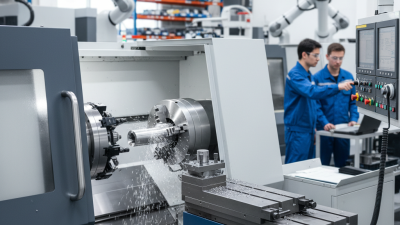
Experienced machinists often inspect details that specifications overlook. Check cutting stability during heavy passes, chip evacuation near the chuck, tool-change time, and operator access. Ask suppliers for test cuts using your own material and tooling. Measure surface finish, cycle time, vibration, and dimensional repeatability. Small differences become expensive across thousands of parts. Control compatibility also matters, especially when connecting probing systems, bar feeders, robots, or production monitoring software.
No single machine is perfect. That deserves attention. A faster spindle may reduce cycle time but increase heat, maintenance demands, or tooling costs. An economical model may deliver strong results, yet lack local service support. Review warranty terms, technician response times, spare-parts availability, training, and energy consumption before signing an agreement. Independent test data and references from similar manufacturers can strengthen your judgment. Still, supplier claims require verification. This guide examines the practical criteria, hidden trade-offs, and future-ready features that can help you choose confidently in 2026. Expect useful comparisons, but also some uncertainty. Real workshop conditions can challenge even the best forecast.
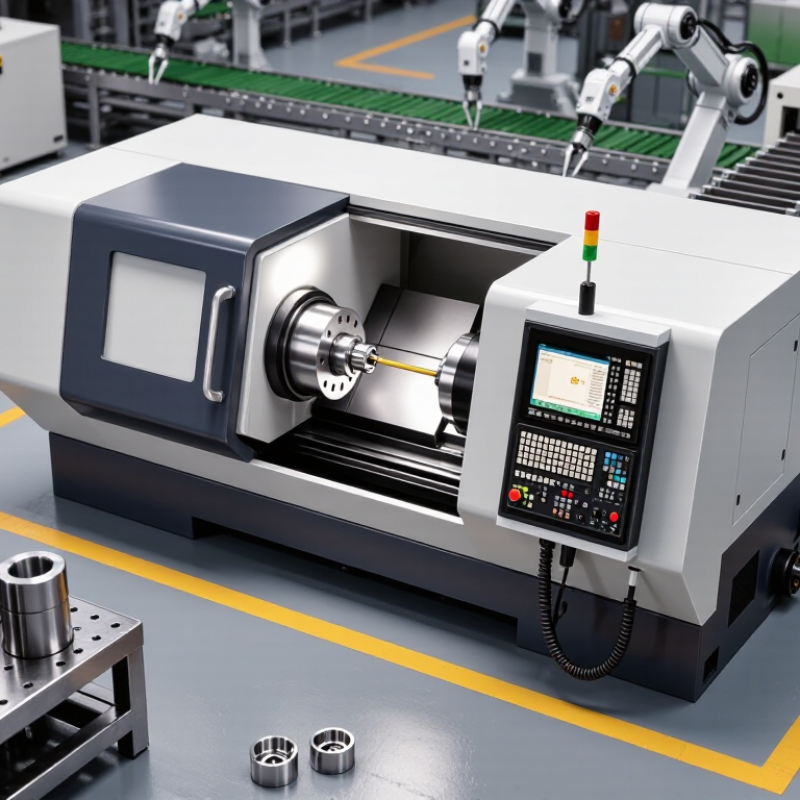
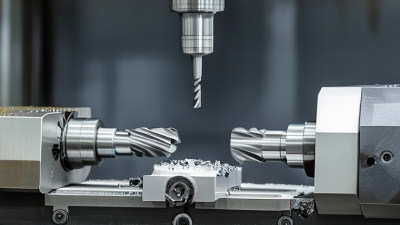
Choosing a turning center in 2026 starts with its type, not its advertised speed. A basic two-axis CNC lathe handles facing, threading, boring, and external turning. A live-tooling center adds drilling and milling without moving the part. Y-axis models support off-center features, while twin-spindle machines reduce transfer time. Swiss-type centers suit slender, small-diameter components and steady, high-volume production.
The machine’s function must match the part’s real geometry. Grand View Research estimates that the global CNC machine tools market will expand strongly through 2030, driven by automation and tighter production demands. That growth does not make every advanced machine suitable. A turning center needs a rigid bed, accurate spindle, responsive turret, reliable servo drives, and stable linear guides. Check chuck size, bar capacity, spindle torque, live-tool speed, and available tooling stations. Coolant delivery and chip evacuation matter too. A clean showroom cut can hide poor chip control.
Tips: Review five representative drawings, not one ideal part. Ask for cycle-time trials using your material. Compare spindle load, surface finish, tool life, and setup minutes. Confirm probing, guarding, software support, and maintenance access. According to the International Federation of Robotics, industrial robot installations remain at historically high levels, so automation interfaces deserve careful review. Yet automation can magnify a weak process. I have seen impressive specifications fail under interrupted cuts. This is easy to underestimate. Leave capacity for future tolerances, heavier tooling, and operators who need practical access.
Choosing the best turning center in 2026 starts with the workpiece, not the machine brochure. Record maximum diameter, length, chuck size, shaft overhang, and required tolerance. A 180 mm steel shaft behaves differently from a thin aluminum sleeve. Note interrupted cuts, deep bores, thread forms, and access around shoulders. These details reveal whether you need rigidity, a larger spindle bore, driven tooling, or a sub-spindle. Measure twice.
Material selection changes cutting pressure, heat, tool wear, and cycle stability. Hardened steel may demand high torque and controlled thermal behavior. Aluminum often rewards higher spindle speed, sharp tooling, and effective chip evacuation. For stainless steel, test chip control under realistic coolant flow rather than trusting catalog figures. Ask for documented accuracy tests, repeatability data, and service response times. An experienced operator should review these records against actual parts. Numbers can look perfect.
Production volume should shape automation, not merely machine size. For prototypes or short runs, quick setup, accessible tooling, and simple programming may save more time than peak horsepower. High-volume work can justify bar feeding, part catching, tool monitoring, and redundant stations. Calculate cycle time from loading through inspection, including tool changes and chip removal. I have seen impressive cycle estimates fail because operators needed awkward manual deburring. That weakness matters. Leave room for future materials and tighter tolerances, but avoid paying for unused capacity. This balance is easy to miss.
How to Choose the Best Turning Center in 2026?
When selecting a turning center in 2026, start with the workpiece, not the brochure. Measure maximum diameter, length, bar size, and required tooling. Leave room for future jobs. A machine that barely fits today’s parts may become restrictive within months.
Machining capacity affects stability, chip control, and cycle time. Check spindle torque across the actual cutting range, not only the maximum speed. A faster spindle is not automatically better. Accuracy requires more than a small tolerance number. Review positioning accuracy, repeatability, thermal compensation, and rigidity. Request test cuts using similar materials and dimensions. Measure the finished part after the machine reaches operating temperature. This detail is often overlooked.
Automation should match your workload and staff skills. Options may include bar feeding, robotic loading, tool monitoring, probing, and automatic part inspection. Each option needs floor space, setup time, and dependable maintenance. Ask how quickly operators can change between jobs. A complex system can reduce labor yet increase downtime when troubleshooting is unclear. One common mistake is choosing maximum automation before confirming stable production volume. Start with the bottleneck. Then evaluate whether automation removes it. Practical decisions may also require compromise, because capacity, accuracy, speed, and automation rarely reach their highest levels in one affordable configuration.
Comparison of common CNC turning-center configurations for different production requirements. Values are typical industry ranges and should be verified against the final machine specification.
| Turning Center Category | Typical Workpiece Capacity | Maximum Turning Diameter | Maximum Turning Length | Spindle Speed Range | Spindle Power | Typical Positioning Accuracy | Productivity Profile | Automation Options | Best-Suited Applications |
|---|---|---|---|---|---|---|---|---|---|
| Compact 2-Axis Turning Center | Small to medium parts; approximately 10–40 kg chuck load | 200–350 mm | 300–600 mm | 4,000–6,000 rpm | 11–22 kW | ±0.004–0.008 mm | Balanced Good for short runs and mixed part families |
Bar feeder, parts catcher, hydraulic chuck, basic chip conveyor | General components, shafts, bushings, fittings, maintenance parts |
| Production 2-Axis Turning Center | Medium parts; approximately 20–80 kg chuck load | 300–500 mm | 500–1,000 mm | 3,000–5,000 rpm | 18–37 kW | ±0.003–0.006 mm | High Designed for repeatable batch production |
High-capacity bar feeder, parts catcher, robotic loading, tool monitoring | Automotive, hydraulic, industrial machinery, repeat-order production |
| Y-Axis Live-Tool Turning Center | Small to medium complex parts; approximately 10–60 kg chuck load | 250–450 mm | 400–800 mm | 3,000–5,000 rpm turning; 4,000–8,000 rpm live tools | 15–30 kW main spindle | ±0.003–0.006 mm | High Combines turning and multiple milling operations |
Bar feeder, automatic tool measurement, parts catcher, robot cell, probing | Parts requiring drilling, slotting, cross-holes, flats, and off-center features |
| Sub-Spindle Turning Center | Small to medium parts; approximately 10–50 kg chuck load | 200–400 mm | 300–700 mm | 4,000–6,000 rpm | 15–30 kW main spindle | ±0.003–0.005 mm | Very High Enables front-and-back machining in one setup |
Bar feeder, automatic transfer, parts catcher, integrated probing, tool-life monitoring | Precision fittings, medical components, connectors, turned parts with two-sided features |
| Mill-Turn Multitasking Center | Small to medium complex parts; approximately 15–70 kg chuck load | 300–600 mm | 500–1,200 mm | 2,500–5,000 rpm turning; 4,000–12,000 rpm milling | 22–45 kW main spindle | ±0.002–0.005 mm | Very High Minimizes setups and work-in-process handling |
Bar feeder, robot loading, automatic tool magazine, probing, tool breakage detection | Aerospace, energy, precision engineering, complex one-piece or low-volume parts |
| Heavy-Duty Turning Center | Large and heavy workpieces; approximately 100–1,000+ kg chuck load | 600–1,500+ mm | 800–3,000+ mm | 500–2,500 rpm | 30–100+ kW | ±0.005–0.015 mm | Moderate Prioritizes torque, rigidity, and material removal |
Steady rest, tailstock, chip conveyor, workholding automation, crane-assisted loading | Large shafts, flanges, rollers, oil-and-gas components, construction machinery parts |
| Swiss-Type Sliding-Headstock Center | Small bar stock; typically 3–32 mm, with larger configurations available | 10–32 mm standard working range | Up to approximately 200 mm per operation | 6,000–12,000 rpm | 5.5–15 kW main spindle | ±0.002–0.005 mm | Very High Excellent for long, slender, high-volume components |
Bar loader, automatic guide-bushing systems, parts conveyor, mist filtration, tool monitoring | Medical, electronics, watchmaking, miniature shafts, precision pins and connectors |
Selection guideline: Choose capacity and rigidity first, then verify accuracy under the required material and production conditions. For high-volume work, compare spindle acceleration, tool-change time, bar-feeding capability, chip evacuation, probing, tool-life monitoring, and robot integration in addition to headline spindle speed.
A strong turning center begins with its control system. Look for clear screens, simulation, alarm history, and secure program access. Operators should verify tool offsets without walking around the machine. Deloitte’s 2024 Smart Manufacturing and Operations Survey reported that 92% of manufacturers view smart manufacturing as important for future competitiveness. Still, a polished dashboard does not guarantee better production. I would test menus with a real operator, during a busy shift. A confusing control wastes time.
Tips: Request a live trial using your typical steel, tolerances, and cycle time. Check whether tool-life monitoring detects a worn insert before surface quality changes. Choose quick-change tooling, probing, and coolant management that reduce manual adjustment. Tooling must match spindle power and production volume, not only the catalog specification. Keep replacement holders and inserts nearby.
Maintenance access deserves equal attention. Inspect chip evacuation, lubrication points, filters, and electrical cabinets before purchase. The U.S. Department of Energy’s Operations and Maintenance Best Practices Guidebook links predictive maintenance with potential maintenance-cost reductions of 25% to 30%. Ask for measurable service data, including mean time between failures and recovery time. Safety controls must support guarding, emergency stops, safe setup, and lockout procedures. OSHA estimates that proper lockout/tagout practices can prevent about 120 fatalities and 50,000 injuries annually. A safer machine may feel slower at first, but rushed setup creates hidden costs. Supplier claims need independent verification.
How to Choose the Best Turning Center in 2026?
Calculate Total Cost, Supplier Support, and Long-Term Value
The purchase price is only the visible part of a turning center’s cost. Add installation, foundation work, tooling, software, energy use, maintenance, training, and operator downtime. A machine priced lower may require expensive accessories or longer setup time. Create a five-year spreadsheet with realistic production hours and service expenses. Include coolant, consumables, inspection equipment, and replacement components. Small costs become significant when repeated every shift.
Tips: Ask the supplier for a complete installation estimate, including electrical work and operator training. Request documented response times for service calls. Speak with users running similar materials and production volumes. Review warranty limits, spare-parts availability, remote support, and preventive-maintenance procedures. A written support plan is more reliable than a confident sales promise.
Long-term value depends on stable output, not impressive specifications alone. Check positioning accuracy, cycle-time consistency, chip control, and ease of programming during a practical demonstration. Ask how upgrades will affect older control systems. My early cost estimates were too optimistic because I ignored setup delays and training time. That mistake changed how I compare machines. Leave room for uncertainty. Supplier references, maintenance records, and transparent technical documentation provide stronger evidence than brochures. A useful turning center should remain productive when workloads change, technicians leave, or urgent repairs occur. Convenience matters too. Operators notice it every day.
Five-Year Total Cost of Ownership by Supplier Support Level
The comparison uses realistic five-year cost categories for a mid-size CNC turning center, including purchase price, tooling, maintenance, energy, training, and production losses caused by downtime. Stronger supplier support may increase the initial investment but can reduce downtime and long-term operating costs.