Choosing a 5 Axis Cnc Machine is not simply a matter of buying the most powerful spindle or largest work envelope. The right system must fit the parts, materials, tolerances, and production rhythm your shop actually handles. A titanium bracket, a hardwood sculpture, and a compact medical component place very different demands on machine design. That difference matters. Rotary-axis configuration, travel limits, tool capacity, control software, and workholding all affect usable accuracy and cycle time. A specification sheet can look impressive. It may still hide awkward setup needs or costly maintenance.
This guide explains how to compare those details before you commit. It considers machine rigidity, simultaneous five-axis capability, spindle performance, positioning accuracy, and support after installation. Buyers should also review sample parts, inspect calibration records, and ask how service technicians handle common faults. Small checks count. Connect each feature to a real job, such as machining a deep cavity without repeated repositioning. Be cautious with universal claims: actual results depend on material, toolpath, operator skill, and machine condition. Even experienced buyers can overvalue a striking specification and overlook setup time. The best choice is not always the fastest or most expensive model. It is the one that delivers repeatable results, manageable operating costs, and room for future work. Some compromises remain.
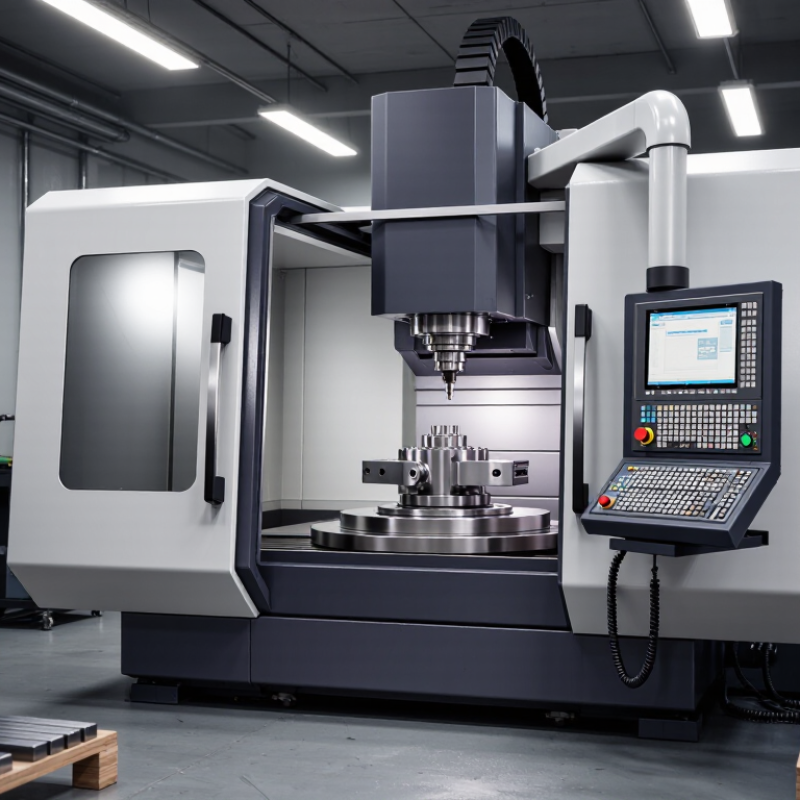
A five-axis CNC machine adds two rotary motions to the familiar X, Y, and Z linear axes. These motions let the cutter approach a part from changing angles, reducing repeated setups and improving access to angled faces. Not always. The core question is where those rotary axes sit. Their location affects the work envelope, rigidity, and programming.
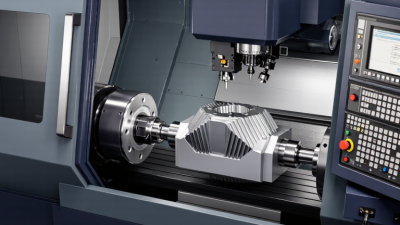
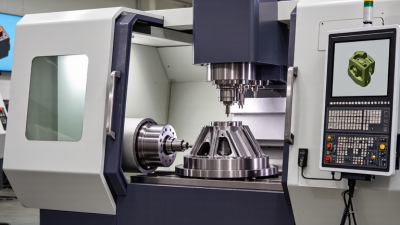
In a table-table design, the workpiece tilts and rotates beneath a mostly fixed spindle. This layout suits compact parts and deep, multi-sided features, but tall workpieces may collide with the table.
In a head-head design, rotary axes move the spindle while the part stays put. It can handle larger or heavier parts, though a long tool and moving head may reduce stiffness.
A head-table configuration splits motion between the spindle and table. It offers flexibility, but limits depend on axis travel and part geometry.
Also distinguish simultaneous five-axis machining from 3+2 positioning. Simultaneous motion changes tool orientation during cutting; 3+2 locks the rotary axes before cutting. The latter can simplify programming for many jobs. There is no universally best layout. A neat specification sheet can still mislead. Check usable travel with your actual fixture, estimate tool reach, and inspect likely collision zones. A sample part often reveals problems that a machine diagram misses.
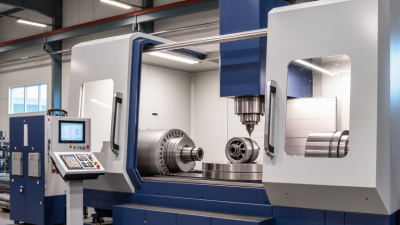
Choose a five-axis CNC machine around the part you actually make, not the largest part in a brochure. Record its envelope, mass, datum scheme, and tightest tolerance. A 300 mm aluminum housing with angled ports needs different access and fixturing than a long steel shaft. Check whether the spindle can reach each feature without a collision, and whether one setup can hold the critical datums. Small details matter.
Material changes the decision. Aluminum may favor higher spindle speeds and chip evacuation; stainless steel can demand more torque, rigidity, and heat control. Also define monthly volume, batch size, changeover frequency, and acceptable cycle time. The U.S. Energy Information Administration’s 2018 Manufacturing Energy Consumption Survey reports that manufacturing used about 77% of U.S. industrial-sector energy. That is a sector-wide figure, not a machine rating, but it makes utility capacity and operating cost worth checking alongside purchase price. Coolant matters too.
Ask suppliers to cut your material using a representative part program, then inspect the result against your drawing. Measure surface finish, positional accuracy, tool wear, and actual cycle time—not just a demonstration’s fastest pass. A tidy specification sheet can still mislead. I would challenge one assumption: fewer setups do not automatically mean lower total cost. Fixturing, probing, programming effort, and operator skill can erase the gain, and those estimates are easy to get wrong.
How to Choose the Best 5 Axis CNC Machine?
Comparing Machine Types, Work Envelopes, and Axis Travel
A trunnion-style machine tilts and rotates the workpiece, keeping the cutting head relatively stable. It often suits compact parts that need access to several sides. A swivel-head design moves the spindle instead, which can help when machining larger or heavier workpieces. Neither layout is automatically better. Consider part shape, loading access, and how often the machine will run near its travel limits.
The work envelope is the usable space after fixtures, tools, and rotary motion are accounted for. A part may fit on the table but collide with the spindle when tilted. Check sample setups with the longest tool and largest fixture you expect to use. Also compare linear axis travel with rotary-axis range. Travel matters. More range can help, but it may add cost or reduce rigidity. A machine’s published dimensions alone do not show every practical limitation.
Tips: Ask for a reach study using a representative part, fixture, and tool. Check clearance at several rotary angles, not just the starting position. Leave room for chips and safe loading. One detail is easy to miss: your real setup may change later, so avoid choosing a machine that only works with perfect assumptions.
Representative linear-axis travel by machine size and configuration (mm)
How to read this: Larger travel can accommodate larger workpieces, but XYZ travel alone does not define the usable work envelope. Rotary-axis limits, table or head geometry, fixtures, and tool clearance also matter. Values are approximate reference points for common size classes, not universal machine specifications; check the travel and work-envelope drawings for the specific machine you are evaluating.
When choosing a five-axis CNC machine, judge accuracy under real cutting conditions, not from a single positioning figure. Ask for documented axis-positioning and repeatability tests, then check how the machine performs after warm-up. A long aluminum cut and a precise steel finish expose different weaknesses. Numbers need context. Confirm the test method, workpiece size, and temperature conditions; a glossy specification sheet can still mislead.
Spindle choice depends on the work: review torque across the speed range, not just maximum rpm. A small tool cutting titanium needs sustained torque, while a large cutter may need low-speed stability. Check the heat. Thermal growth during a long cycle can shift dimensions, so ask for test results from extended operation. Controls should make toolpath simulation, probing, and recovery from interruptions practical for operators. Automation also needs a clear fit with the shop’s workflow. Deloitte and MAPI’s 2024 Smart Manufacturing Survey found that 86% of surveyed manufacturing executives expected smart manufacturing solutions to be primary drivers of competitiveness within five years. That is a broad industry outlook, not a guarantee that automation pays off in every shop. Review cycle-time assumptions, operator training, and maintenance needs before comparing prices. One awkward detail: automation can magnify a bad process as efficiently as a good one.
How to Choose the Best 5 Axis CNC Machine?
A fair comparison starts with the full cost of ownership, not the purchase price. Include installation, foundations, rotary fixtures, CAM software, operator training, maintenance, and likely downtime. Price these items across your planned ownership period. The cheapest quote may exclude essentials. Small details matter.
Support affects long-term value. Ask who handles service, how quickly technicians respond, and whether common spare parts are stocked nearby. Check training options and the availability of clear maintenance records. Deloitte and the Manufacturing Institute’s 2024 report projects 3.8 million U.S. manufacturing jobs by 2033, with up to 1.9 million potentially unfilled. That workforce pressure makes accessible training and simple service procedures worth evaluating. A machine can meet today’s needs yet become difficult to run as staff or production changes. I would still treat any cost forecast as an estimate; unplanned repairs rarely follow a neat spreadsheet.
Tips: Machine a representative part before buying. Check accuracy across the full travel, not just one easy cut. Confirm the work envelope, spindle capability, and control functions suit parts you expect to make later. Ask for a written service plan and realistic parts lead times.
| Machine configuration | Typical best fit | Indicative machine price (USD) | Typical setup allowance | Estimated 5-year ownership cost | Support and service checks | Long-term suitability |
|---|---|---|---|---|---|---|
| Compact trunnion-style 5-axis | Small, detailed parts; prototypes; medical, dental, and precision components. | $150,000–$350,000 | About $20,000–$70,000 for installation, workholding, tooling, and initial training. | Approximately $230,000–$580,000 | Confirm local technician coverage, parts availability, training options, and the terms of remote diagnostics. | A practical entry point if part size and spindle capacity are unlikely to outgrow the machine. |
| Mid-size vertical 5-axis machining center | Job shops and manufacturers handling a varied mix of medium-sized parts and materials. | $300,000–$700,000 | About $40,000–$120,000 for installation, probing, workholding, tooling, software, and training. | Approximately $410,000–$1,120,000 | Request written service-response terms, preventive-maintenance pricing, and references from users with similar applications. | Often a flexible choice for changing work, provided the work envelope and payload suit future parts. |
| Large-format or gantry 5-axis | Large components, molds, aerospace structures, and parts requiring substantial work envelopes. | $700,000–$2,000,000+ | About $100,000–$350,000+ for foundations, rigging, installation, tooling, software, and training. | Approximately $1,025,000–$2,650,000+ | Check specialist technician availability, calibration capability, critical-spare lead times, and on-site service costs. | Justified when large-part capacity is a sustained business need; facility and handling requirements can be significant. |
Planning estimates are indicative USD ranges, not supplier quotations. Five-year ownership estimates include the machine price, setup allowance, and broad allowances for maintenance, software, and energy; actual costs vary with configuration, utilization, location, labor, financing, taxes, and service agreements. Compare written quotations using the same scope, and confirm work envelope, payload, accuracy requirements, control features, training, and support coverage before purchasing.