2026 How to Choose the Best 5 Axis Horizontal Machining Center?
In the competitive landscape of manufacturing, selecting the right machining equipment is critical. The 5 Axis Horizontal Machining Center stands out in modern machining applications. A recent market analysis reported a 15% growth in the adoption of five-axis machines, driven by their efficiency and capability to handle complex geometries. These machines simplify workflows, reducing production time and costs.
However, with countless options available, making an informed choice is essential. Buyers must consider factors such as precision, size, and the material compatibility of the 5 Axis Horizontal Machining Center. Not all machines deliver the same performance under various conditions. Industry experts stress the importance of thorough research and understanding specific business needs.
Investing in a 5 Axis Horizontal Machining Center can transform operations, but it requires careful analysis. Consider potential limitations and maintenance needs. Reflecting on these aspects can lead to a more strategic purchase, ultimately enhancing productivity and profitability in the long run.
Understanding the Basics of 5 Axis Horizontal Machining Centers
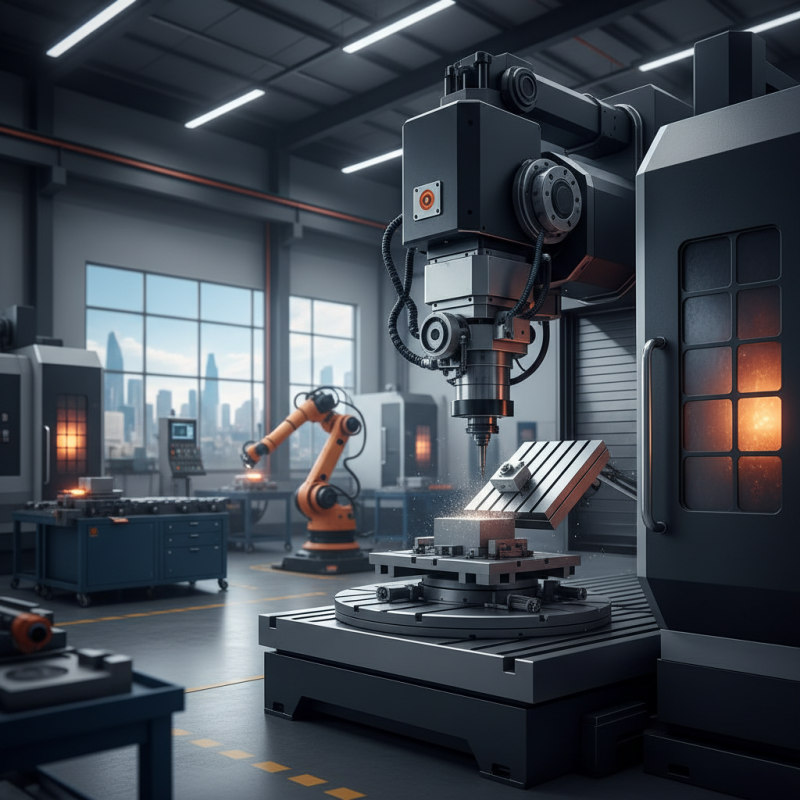
Understanding the basics of 5 axis horizontal machining centers involves recognizing their unique capabilities. These machines can move a tool or workpiece along five axes simultaneously. This flexibility enables complex parts to be manufactured in a single setup, significantly reducing processing time. According to a report by the International Machine Tool Builders Association, the demand for 5-axis machines has increased by over 25% in the last few years.
The precision and efficiency of 5-axis machining centers are noteworthy. They typically provide tighter tolerances, which is crucial for industries like aerospace and medical devices. A study indicated that businesses utilizing 5-axis milling achieved a reduction in production time by up to 50%. However, operators must be trained adequately. The complexity can sometimes lead to programming errors. It is essential to invest time in training to minimize mistakes.
Consider the material being machined. Difficult-to-machine materials like titanium require robust tooling and proper coolant management. The machinery's features must align with project specifications. Companies should continually evaluate their machining strategy to enhance productivity. Even experienced operators find new challenges with each project. Adapting to unique workpieces can reveal limitations in tools and setups that require reflection and adjustment.
Key Features to Look for in a 5 Axis Horizontal Machining Center
When choosing a 5 axis horizontal machining center, certain key features stand out.
Precision is paramount. Look for machines capable of achieving tight tolerances.
A good machine should maintain its accuracy during long production runs. This reliability prevents costly errors and rework.
Additionally, consider the size and configuration of the machine. Working space must align with your needs.
If your projects involve large workpieces, a spacious machine is essential. Moreover,
the automation capabilities are also worth examining. Machines that integrate advanced automation
offer increased efficiency and reduced labor costs.
Lastly, think about the ease of maintenance. A center that is easy to service ensures minimal downtime.
Regular maintenance checks are crucial to keeping the machine operational. When reviewing options, be wary of
overly complicated designs. They can lead to unexpected challenges.
Reflect on long-term operational costs rather than just the upfront investment.
Assessing Your Production Needs for Optimal Machine Selection
When selecting a 5 axis horizontal machining center, understanding your production needs is crucial. Start by evaluating the types of materials you typically work with. Different materials require different machining techniques. For instance, aluminum and titanium are not machined in the same way. Consider the size and weight of the workpieces as well. Large, heavy components need robust machines that can support their weight.
Workflow efficiency is another critical factor. Analyze your production volume and cycle times. Machines with advanced features can significantly reduce downtime. Assess how frequently you change setups. A machine that allows for easy changes can enhance productivity.
It's also important to reflect on the technical skill of your operators. An advanced machine may not be beneficial if your team lacks the necessary training. Consider the balance between machine complexity and operator capability. Sometimes, a simpler machine can outperform a complicated one, especially if the operators are more comfortable using it.
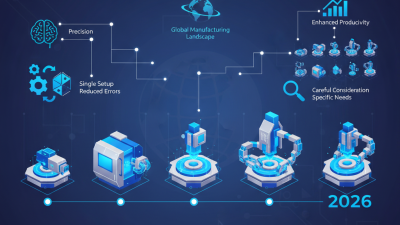
2026 Production Needs Assessment for 5 Axis Horizontal Machining Centers
Comparing Leading Brands and Models of 5 Axis Machines
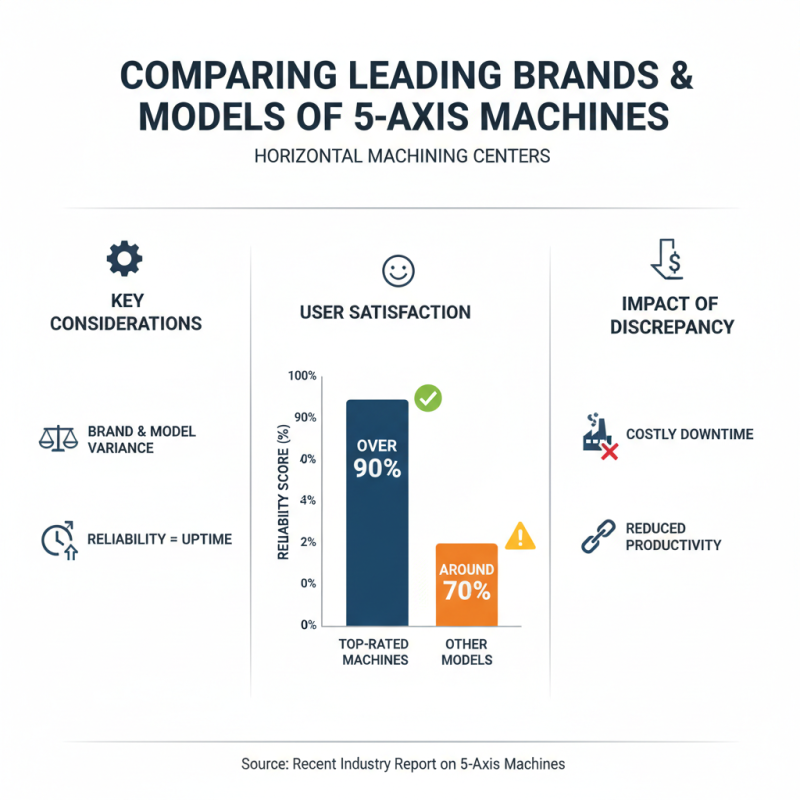
When selecting a 5-axis horizontal machining center, it's crucial to understand the landscape of leading brands and their models. Not all machines are created equal. According to a recent industry report, user satisfaction ratings show significant variance between available models. Some top-rated machines have a reliability score of over 90%, while others hover around 70%. This discrepancy can lead to costly downtime.
Precision and versatility are key factors in machining. A model that can easily switch between various operations may outperform others in the long run. In a comparative study, machines that provide enhanced tool paths demonstrated up to 30% better cycle times. This can significantly boost productivity in a high-demand environment.
However, brands often hype their features without concrete data. It’s vital to look past marketing claims. Real-world performance varies. Users frequently report issues with calibration and repeatability. Make sure to seek out reviews from actual users. These insights provide a more reliable gauge of a machine's performance. Establishing a clear understanding before making a purchase can save resources and ensure better outcomes in production.
Maintenance and Support Considerations for Longevity and Performance
When considering a 5-axis horizontal machining center, maintenance plays a vital role in its longevity. Regular upkeep ensures that the machine operates efficiently. This includes routine checks of the spindle and coolant systems. A well-maintained machine will experience fewer breakdowns. It’s crucial to establish a cleaning schedule. Dust and debris can accumulate, impacting precision.
Support considerations also warrant attention. Having access to technical support can make a difference. Ensure that you can get timely responses to any issues. Training personnel on proper usage is equally important. Sometimes, mistakes arise from operator error rather than machine faults. Regular training sessions can prevent such hiccups.
Choosing a machining center is not just about features. It’s about building a reliable maintenance routine and support network. Neglecting these aspects can lead to significant downtime. Understand that long-term success relies on consistent care. Always reflect on your maintenance practices to identify areas that need improvement.
2026 How to Choose the Best 5 Axis Horizontal Machining Center? - Maintenance and Support Considerations for Longevity and Performance
| Feature |
Importance Level |
Maintenance Frequency |
Expected Lifespan (Years) |
| Structure and Rigidity |
High |
Yearly |
15 |
| Tool Management System |
Medium |
Monthly |
10 |
| Cooling System |
High |
Quarterly |
12 |
| Drive Systems and Motors |
Critical |
Monthly |
10 |
| Software and Control System |
High |
As Needed |
7 |
| Regular Calibration |
Essential |
Bi-Annually |
20 |