What is 5 Axis CNC and How Does it Transform Modern Machining?
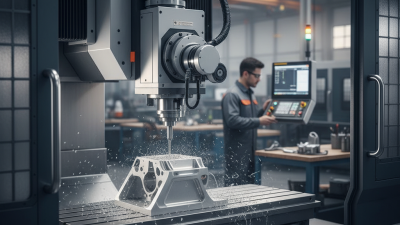
In today's fast-paced manufacturing environment, the role of 5 Axis CNC technology has become increasingly vital. Industry expert John Smith, a leading engineer in CNC machining, highlights, "5 Axis CNC enables precise and complex part production that was once unimaginable." This advanced machining process revolutionizes how components are produced, allowing for intricate designs and tighter tolerances.
With 5 Axis CNC, manufacturers can work from various angles in a single setup. This efficiency minimizes errors and reduces production time. For instance, aerospace and automotive sectors significantly benefit from this technology. The seamless integration of 5 Axis CNC machines allows for high-quality outputs, meeting rigorous industry standards.
However, implementing 5 Axis CNC isn't without its challenges. The initial investment and learning curve can be steep. Many shops must adapt their workflow and training. Nevertheless, the potential rewards make it an essential consideration for modern manufacturing. Adopting this technology opens doors to innovation and improved competitiveness.
Understanding CNC Machining: An Overview of Traditional vs. Modern Techniques
CNC machining has evolved significantly, transitioning from traditional methods to more modern techniques. Traditional CNC lathes and mills typically operate in two or three axes. These machines can perform basic cuts on materials but are limited in their capabilities. They require complex setups for angled cuts or intricate designs, often leading to increased manpower and time consumption.
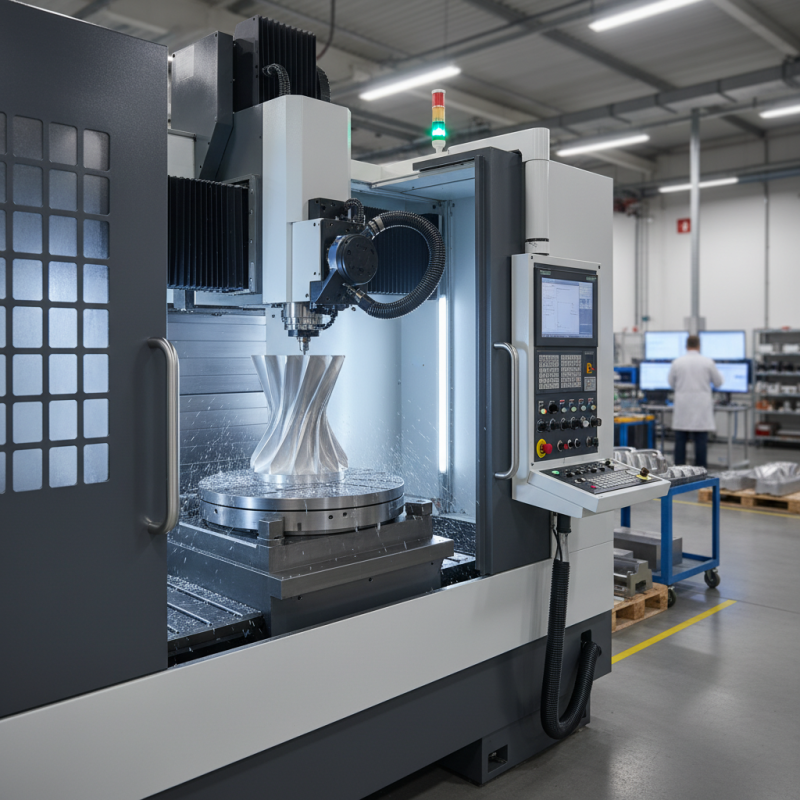
In contrast, modern 5-axis CNC machines allow for more intricate and precise machining. They can move tools across five different axes, increasing flexibility. This means users can achieve complex geometries in a single setup, reducing the need for multiple machine operations. For example, intricate components in aerospace and automotive industries benefit greatly from this technology. Despite these advancements, mastery of 5-axis machining is challenging. Operators must understand complex programming and equipment. Improper use can lead to errors in production.
Machining now involves a balance of technology and skill. While modern machines offer more precision, they also demand high expertise from the operators. Efficiency and quality are achieved through continuous learning and adaptation in this field. Successful application of these techniques remains a goal for many professionals.
Defining 5 Axis CNC: Key Features and Advantages in Precision Manufacturing
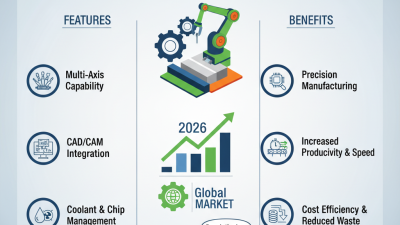
5 Axis CNC machining represents a significant advancement in precision manufacturing. It allows for complex geometries that were once difficult to achieve. The key feature of 5 Axis CNC is its ability to move the tool in five different directions. This capability drastically reduces production time and enhances accuracy.
A notable advantage of 5 Axis CNC is its efficiency in creating intricate parts. Traditional machining often requires multiple setups and tools. In contrast, 5 Axis machines can perform multiple operations in one setup. This not only saves time but also minimizes errors that can arise from transferring parts between machines. Components often fit together better, which can improve product quality.
However, there are challenges in adopting 5 Axis CNC technology. The initial investment can be substantial. Operators must also have the necessary skill to program and manage these machines. Training can be time-consuming, and not all facilities have the resources. Despite these hurdles, the benefits of 5 Axis CNC in precision manufacturing are transforming the industry.
The Role of Software in 5 Axis CNC Machining: Programs and Controls
In 5-axis CNC machining, precision is paramount. The software used in these machines plays a crucial role in achieving that accuracy. Advanced programs enable operators to create complex geometries. This capability can significantly reduce production times. Reports indicate that 5-axis machines can decrease machining time by up to 50% compared to traditional 3-axis equipment.
Controls are equally important. They ensure that the machine's movements are synchronized. Precise software controls contribute to the fine-tuning of operations. For instance, modern systems offer real-time feedback. This feature allows for immediate adjustments, minimizing potential errors. According to industry experts, these software integrations improve productivity and reduce waste by nearly 30%.
However, reliance on software can have downsides. The complexity of some programs may lead to user errors. These issues necessitate ongoing training for operators. Despite advancements, challenges in usability persist. Continuous updates and adaptations are essential for optimal performance. This evolution highlights the need for skilled personnel in the industry.
Applications of 5 Axis CNC in Various Industries: From Aerospace to Medicine
The applications of 5 Axis CNC technology span a wide range of industries, showcasing its transformative impact. In aerospace, precision is crucial. According to a recent report by MarketsandMarkets, the aerospace sector is expected to reach $1 trillion by 2030. With 5 Axis CNC, manufacturers can create complex parts with intricate geometries. This capability reduces the need for multiple setups, which saves time and enhances accuracy.
In the medical field, custom precision is paramount. 5 Axis CNC machines can produce surgical instruments and implants with high precision. A study by the National Institute of Health highlights that personalized implants increase success rates by up to 30%. However, some manufacturers struggle with process optimization, leading to longer production times than anticipated. This inconsistency can hinder growth and efficiency.
Moreover, the automotive industry is increasingly adopting 5 Axis CNC for prototyping and production of intricate components. This approach enhances design flexibility, yet it also introduces challenges in programming and tool management. Without proper training, operators may face issues with accuracy. As various sectors embrace this technology, the learning curve remains an essential factor in harnessing its full potential.
Future Trends in 5 Axis CNC Technology: Innovations and Impacts on Manufacturing
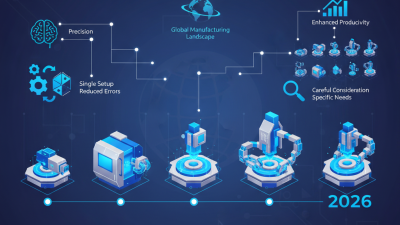
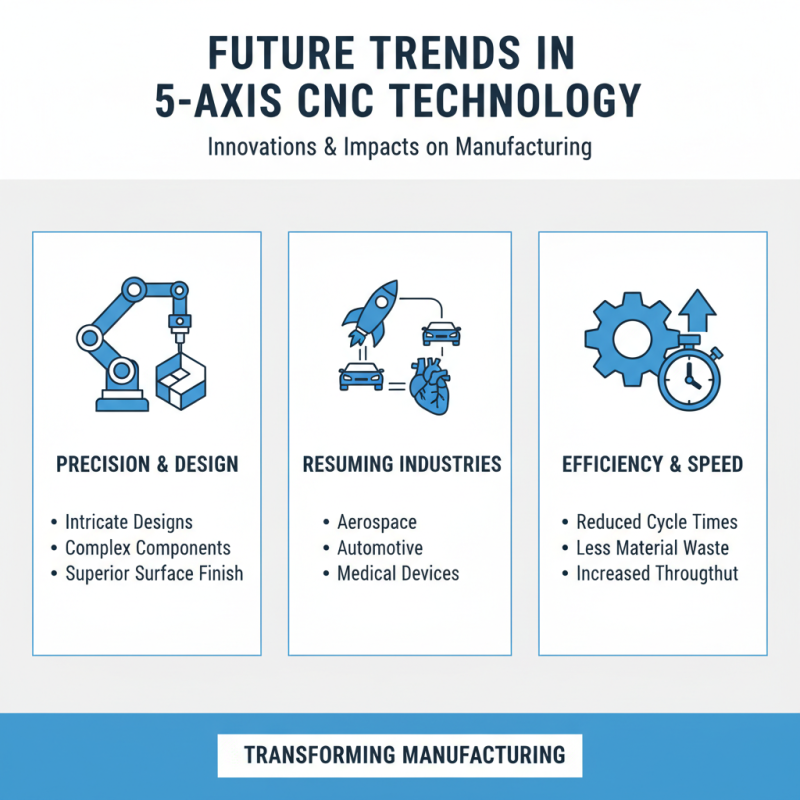
5 Axis CNC technology is revolutionizing the manufacturing landscape. It allows for intricate designs and highly detailed components. This precision is reshaping industries such as aerospace, automotive, and medical device manufacturing. As companies adopt this technology, they tap into new levels of efficiency and speed.
Future trends suggest a greater integration of artificial intelligence and automation in 5 Axis CNC machines. This evolution can lead to reduced human error and increased operational efficiencies. However, the reliance on technology raises questions about workforce implications. Will skilled jobs in traditional machining diminish? How can workers adapt to this new landscape? These are critical challenges the industry must face.
Additionally, sustainability is becoming a core focus in manufacturing. Manufacturers may explore eco-friendly materials and processes. Yet, the increased complexity of 5 Axis CNC may raise waste concerns. Balancing innovation with responsible practices is essential. Future developments should aim to enhance both efficiency and sustainability, promoting a responsible approach to modern manufacturing.