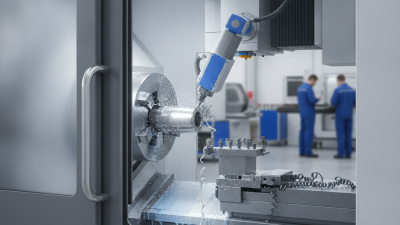
Choosing the right China Best CNC Turning Machine Supplier for Global Buyers requires more than comparing prices. A reliable partner should combine engineering experience, stable production, clear communication, and measurable quality control. This introduction explores how international buyers can evaluate a Cnc Turning Machine supplier with greater confidence.
A professional supplier should explain spindle speed, turning diameter, positional accuracy, control systems, and compatible materials in practical terms. Factory visits, production videos, inspection records, and customer references can reveal details that brochures often miss. Look for documented testing, traceable components, and responsive technical support. These signals show whether the supplier understands real machining conditions, not only online sales.
Small details matter. A clean assembly area helps. So does careful packaging. However, no supplier is flawless. Specifications may look impressive, while long-term consistency still needs verification. Buyers should ask about installation, operator training, spare parts, and after-sales response times before signing an agreement. Questions may expose gaps, but they also build trust.
Experienced manufacturers usually provide samples or test-cutting support. A sample part can reveal surface finish, dimensional control, chip handling, and cycle stability. It also creates a useful comparison between promises and actual performance. Global buyers should consider certifications, export experience, warranty terms, and regional service capacity. The best partnership is not always the cheapest option. It is the one that protects production schedules, communicates honestly, and improves with feedback. Mistakes can happen. The supplier’s response often matters more than the mistake itself.
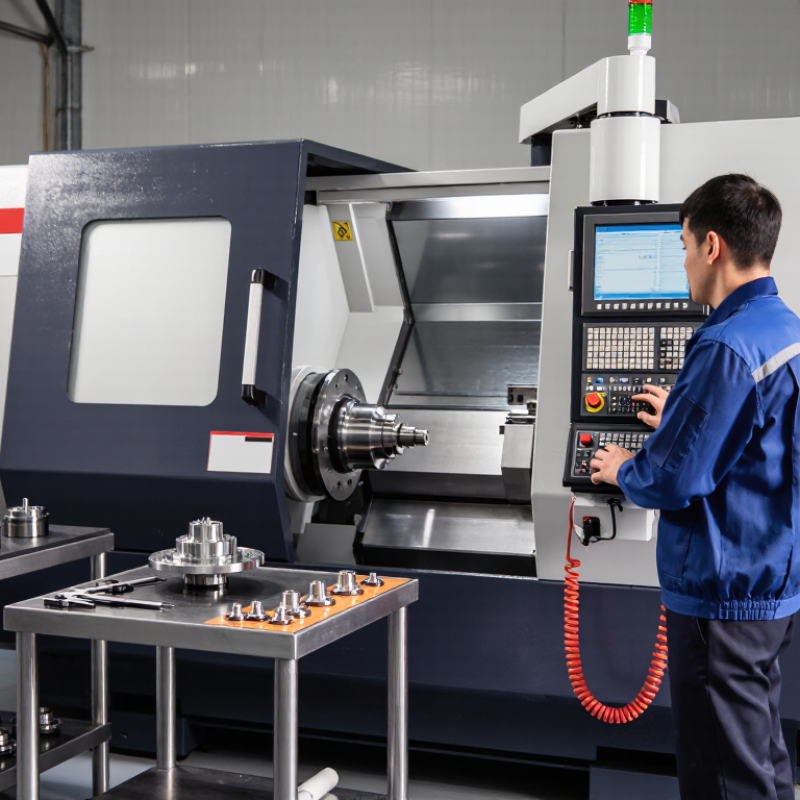
A dependable CNC turning machine supplier in China is defined by more than factory size or export volume. For global buyers, practical experience appears in small decisions: spindle selection, chuck compatibility, coolant routing, and chip evacuation. A capable supplier asks about material, bar diameter, tolerance, cycle time, and operator skill before proposing a machine. That conversation matters. It shows whether engineering advice is real or copied.
Professional knowledge should be visible in drawings, test cuts, inspection plans, and documented acceptance standards. Before shipment, the supplier should demonstrate parts using the buyer’s material or a comparable grade. Measurements should include dimensional reports, surface-finish readings, and tool-life observations. Photos help, but they are not proof. Video evidence can be useful, yet live testing reveals more. Calibration records, component traceability, and clear warranty terms also strengthen reliability.
Reliable communication continues after installation. A serious supplier prepares manuals, training, spare-parts guidance, and remote troubleshooting procedures. Response time should be agreed in writing, not left to optimistic promises. I have seen technically strong proposals fail because installation space was ignored. That is an uncomfortable lesson. A supplier should admit limits, clarify lead times, and record every change. Even experienced teams miss details sometimes. The difference is how quickly they identify, document, and correct them.
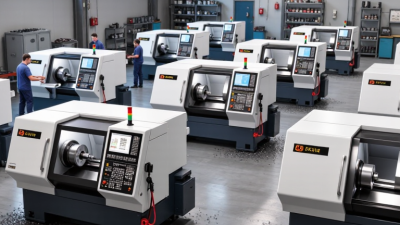
China’s CNC turning machine suppliers serve diverse production needs, from small workshops to high-volume export factories. The main types include horizontal lathes, vertical turning centers, slant-bed machines, and Swiss-type lathes. Horizontal models handle shafts, flanges, and general cylindrical parts efficiently. Vertical machines suit large, heavy workpieces because gravity supports stable loading. Swiss-type machines excel with slender medical, electronic, and precision components.
Core manufacturing technology begins with a rigid cast or welded machine structure. It must resist vibration during interrupted cutting. A high-precision spindle controls speed, torque, and surface finish. Servo-driven axes position tools with repeatable movement.
Live tooling adds milling, drilling, and tapping operations without repeated clamping. That reduces alignment errors and handling time. Small details matter.
Modern machines also use thermal compensation, tool-life monitoring, automatic probing, and chip-management systems. These features support consistent dimensions during long production runs. In practice, operators should check spindle temperature, guideway lubrication, coolant flow, and tool wear every shift. A clean work area helps, too. Poor chip evacuation can damage surfaces and interrupt automation.
Accuracy claims require evidence, not attractive numbers. Buyers should request sample parts, inspection reports, and testing conditions. Material, tool choice, cutting speed, and workshop temperature can change results. No machine performs perfectly without proper setup. That point is sometimes overlooked. A thoughtful supplier explains limitations, maintenance access, control compatibility, and operator training before shipment.
Choosing a CNC turning machine supplier in China requires more than comparing prices. Production capability must match your parts, tolerances, materials, and delivery schedule. Ask for recent samples made from similar steel, aluminum, or brass. Inspect thread quality, surface finish, and dimensional reports.
A reliable supplier should explain its equipment clearly. Check spindle capacity, chuck size, axis travel, and available automation. Review maintenance records and calibration certificates. Ask how operators control tool wear during long production runs. Strong suppliers use inspection plans, traceable materials, and documented corrective actions. Request a live factory video or an independent audit when travel is difficult.
Capacity claims also need evidence. Compare the stated monthly output with machine numbers, staffing, and working shifts. Ask how urgent orders are handled without disrupting existing contracts. A clean showroom can impress, but it does not prove stable production. I have learned that small details matter, such as labeled gauges, organized cutting tools, and consistent inspection records. Some suppliers may provide excellent prototypes but struggle with repeat batches. That risk is easy to miss. Include pilot production, acceptance criteria, and staged payments in the purchasing plan. Mistakes still happen, so communication speed and honest reporting deserve careful evaluation.
| No. | Evaluation Dimension | What to Verify | Credible Evidence or Benchmark | Suggested Weight | Buyer Review Notes |
|---|---|---|---|---|---|
| 1 | Quality Management System | Confirm whether production, inspection, corrective action, and document control are managed through a consistent quality system. | A valid ISO 9001 certificate issued by an accredited certification body; verify the certificate scope, site address, issue date, and expiry date. | 15% | Request the latest audit summary and examples of closed corrective actions. |
| 2 | Machine Accuracy | Evaluate positioning accuracy, repeatability, backlash, thermal stability, and alignment of the machine tool. | Ask for a recent machine acceptance report based on ISO 230-2 or an agreed equivalent test method, including measurement conditions and equipment used. | 15% | Compare guaranteed values with the accuracy required for the buyer’s parts and materials. |
| 3 | Production Capacity | Check available machining centers, spindle capacity, maximum turning diameter and length, staffing, and planned production capacity. | A capacity plan showing equipment lists, operating shifts, bottleneck processes, preventive maintenance, and capacity reserved for the order. | 12% | Assess whether capacity remains adequate during peak demand and maintenance periods. |
| 4 | Inspection and Metrology | Review incoming, in-process, final, and pre-shipment inspection controls. | Calibrated micrometers, gauges, height gauges, CMMs, or other suitable equipment, with calibration traceability to recognized national or international standards. Testing laboratories may use ISO/IEC 17025 accreditation. | 12% | Request sample inspection reports, gauge calibration records, and the control plan. |
| 5 | Component and Material Traceability | Verify traceability for castings, steel, motors, drives, controllers, bearings, and safety-related components. | Material certificates, incoming inspection records, serial-number tracking, approved supplier lists, and documented change-control procedures. | 10% | Confirm that substituted components require buyer approval before use. |
| 6 | Process Control and Testing | Evaluate assembly procedures, spindle run-in, axis testing, hydraulic and lubrication checks, software verification, and finished-machine testing. | Documented work instructions, first-article or pilot-run records, final test protocols, and machine performance results under defined conditions. | 10% | Require acceptance criteria before production begins and retain signed test records. |
| 7 | Technical Documentation | Check the completeness and language quality of manuals, electrical drawings, pneumatic diagrams, spare-parts lists, and maintenance schedules. | Controlled revision numbers, machine specifications, electrical documentation, recommended maintenance intervals, and clear installation requirements. | 8% | Confirm that documentation matches the exact machine configuration supplied. |
| 8 | Safety and Regulatory Readiness | Review guarding, emergency stops, interlocks, electrical safety, risk assessment, and destination-market requirements. | A machine-specific risk assessment, safety test records, declaration documents where applicable, and evidence that the design addresses the importing market’s legal requirements. | 8% | Do not rely on a logo alone; verify the technical file and applicable conformity obligations. |
| 9 | Service and Spare-Parts Support | Assess installation, training, remote diagnostics, response times, warranty terms, and spare-parts availability. | A written service-level agreement, spare-parts list with lead times, troubleshooting process, warranty exclusions, and technician qualification records. | 6% | Define support coverage across time zones and identify escalation contacts. |
| 10 | Export and Delivery Capability | Review export experience, packaging, loading procedures, shipping documents, lead times, and delivery risk controls. | A detailed production schedule, packing specification, inspection-before-shipment procedure, agreed Incoterms® 2020 rule, and documented export process. | 4% | Separate manufacturing lead time, port handling time, transit time, and installation time. |
| Total Suggested Evaluation Weight | 100% | Use the same scoring method for every shortlisted supplier. | |||
Global buyers need more than a CNC turning machine. They need a supplier who understands export procedures, site conditions, and delivery risks. We confirm voltage, frequency, machine dimensions, and required documents before production. Wooden cases protect the equipment during handling. We also check loading plans and port arrangements.
Customization begins with the workpiece, not a standard price list. Our technical team reviews material, diameter, length, tolerance, production volume, and workshop space. Options may include spindle configuration, chuck size, tooling, control functions, and chip management. Drawings and sample parts prevent avoidable misunderstandings. This step can feel slow. It often saves time later. We have also learned that unclear drawings create expensive changes, so every assumption should be questioned before approval.
After-sales support should remain practical. Customers receive operation manuals, installation guidance, and commissioning assistance through online communication. We help technicians review alarms, tool wear, lubrication points, and basic maintenance records. Common spare parts can be prepared with the shipment when requested. Warranty terms, response procedures, and service limits should be written clearly. A machine may be well built, yet poor training can reduce its value. That is why we ask for feedback after installation and adjust our instructions when users find them confusing.
The chart presents representative work-envelope options commonly requested by international buyers when selecting CNC turning machines. Larger turning diameters and lengths support heavier or longer components, while customization, export documentation, installation guidance, and after-sales support help ensure reliable deployment worldwide.
Global buyers should judge a CNC turning machine supplier by evidence, not attractive promises. Ask for spindle speed, chuck size, axis travel, positioning accuracy, and cutting capacity. These details must match your materials, part dimensions, and production volume. Request inspection reports and sample parts from similar applications. A polished website is not proof of manufacturing strength. Factory photos can also be carefully selected.
Tips: Check the factory’s quality process, machine testing records, warranty terms, and spare-parts support. Confirm installation training, response times, and export documentation. Ask for customer references in markets with similar technical requirements. If possible, arrange a video inspection or independent pre-shipment check. Small details matter.
Compare the total operating cost, not only the purchase price. A cheaper machine may require expensive tooling, longer setup time, or frequent service visits. Review the control system, electrical components, lubrication design, and maintenance access. Experienced suppliers should explain these points clearly. They should not avoid difficult questions.
I have noticed that buyers sometimes focus too heavily on tolerance figures. That can be a mistake. Real performance also depends on operator skill, material consistency, tooling, and process planning. Leave room for doubt, then test the supplier’s claims with measurable trials.