How to Choose the Best CNC Turning Machine for Your Needs?
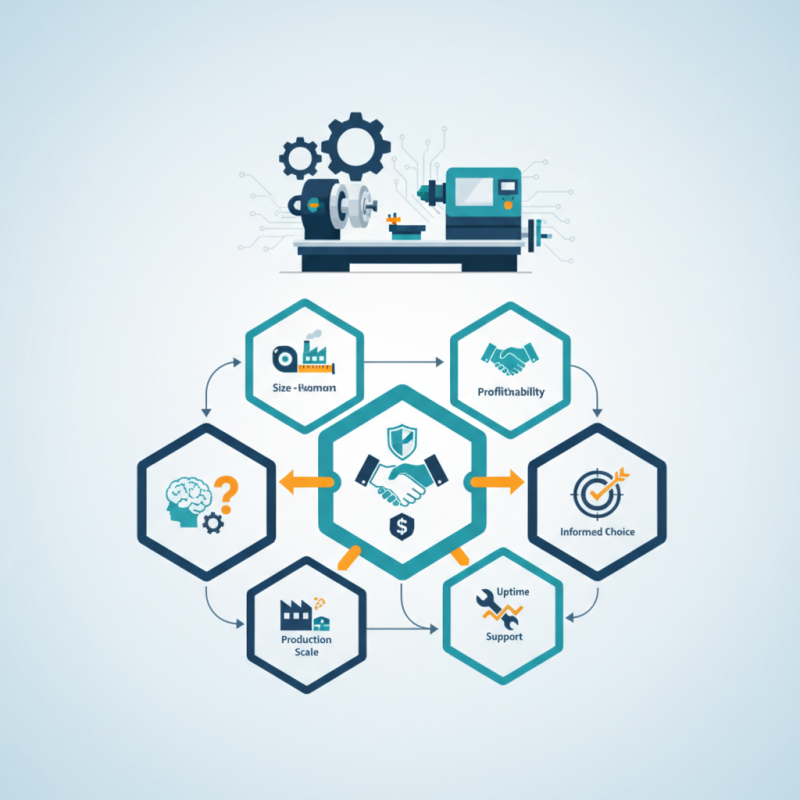
Choosing the right CNC turning machine is crucial for precision machining. Many factors influence the selection process. Understanding your specific needs is essential for making an informed choice.
CNC turning machines vary in size, capability, and price. Some manufacturers offer advanced features, while others might focus on simplicity. It's important to assess what fits your production scale. Whether you're a small shop or a large manufacturer, the decision affects your efficiency and profitability.
Also, consider the machine’s maintenance and support. A reliable machine provides long-term benefits. However, not all machines perform well under pressure. An ill-suited CNC turning machine can lead to costly mistakes. Always scrutinize and reflect on choices made in this significant investment.
Factors to Consider When Choosing a CNC Turning Machine
Choosing the right CNC turning machine involves several key factors. One of the primary considerations is the size and complexity of the parts you intend to produce. For smaller components, a compact machine may suffice, but larger or more intricate designs might need a more robust model. Evaluate the dimensions and weight of your typical workpiece. This will ensure your machine can handle it effectively.
Another crucial aspect is the precision you require. Different machines offer varying degrees of accuracy. If your projects demand tight tolerances, invest in a high-quality turning machine designed for precision work. Remember that precision often correlates with cost. Sometimes, a more affordable option may not meet your specifications.
Maintenance is also a significant factor to think about. Regular upkeep keeps machines running smoothly and extends their lifespan. Consider the availability of service and support. If maintenance is difficult, it may lead to costly downtimes. Reflect on your own capacity for machine upkeep. Identify whether your team has the expertise needed to handle repairs. These considerations are essential in making a well-informed decision.
Assessing Your Production Needs and Capacity
When choosing a CNC turning machine, assessing your production needs is crucial. Begin by understanding what materials you will work with. Different machines offer varying capabilities for metal, plastic, or composite materials. Knowing the specific applications helps narrow down your options significantly.
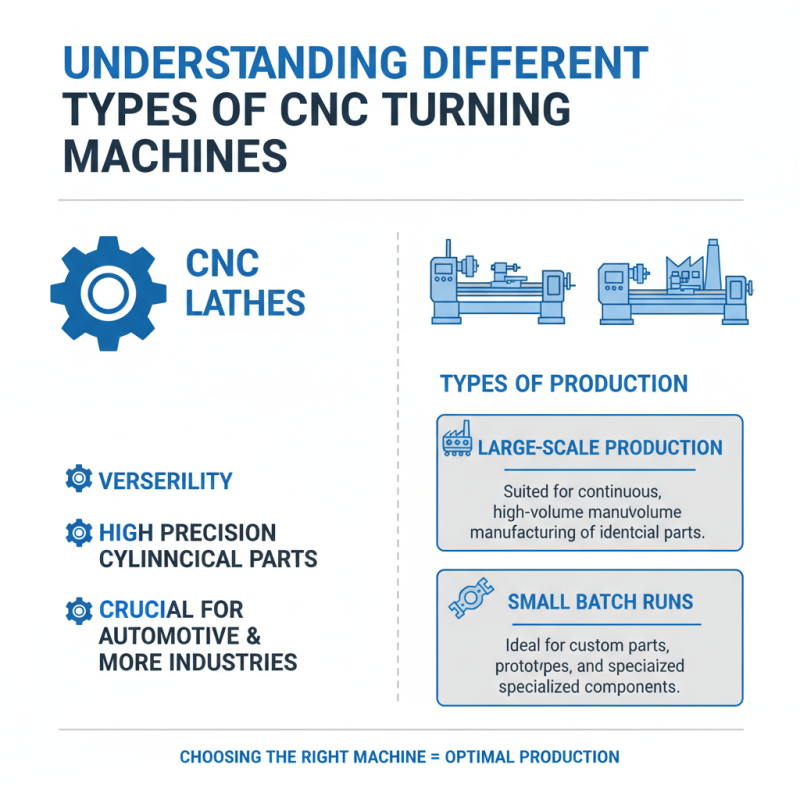
Capacity is another vital factor. Determine the volume of production you anticipate. A small shop may find a compact, high-precision machine sufficient. In contrast, a larger operation may require a robust, high-output machine to accommodate increased demand. It's essential to balance capacity with your budget and space limitations.
**Tips:** Consider future growth. Will your production needs expand? Choosing a machine that allows scalability is wise. Evaluate the machine's ease of use, especially if your team is inexperienced. Training costs can add up. Finally, think about maintenance. Regular upkeep keeps machines running smoothly, saving you money and time.
How to Choose the Best CNC Turning Machine for Your Needs?
| Feature |
Description |
Importance |
Capacity (Units/Hour) |
| Spindle Speed |
Determine the maximum speed for various materials |
High |
150-300 |
| Machine Size |
The physical dimensions of the machine |
Medium |
N/A |
| Tooling Options |
Availability of tool holders and inserts |
High |
N/A |
| Control System |
Type of CNC control (G-code, conversational, etc.) |
High |
N/A |
| Power Consumption |
Energy requirements during operation |
Medium |
N/A |
| Maintenance Requirements |
Frequency of maintenance and servicing needed |
High |
N/A |
Evaluating Machine Specifications and Features
When evaluating CNC turning machines, it's crucial to analyze specifications closely. Consider the machine's spindle speed and torque. Higher speeds allow for better finishing but require stronger materials. The balance between speed and torque directly affects productivity. A robust machine can handle tougher materials and complex designs.
Additionally, look at the machine's size and weight. A more substantial machine often provides better stability, which reduces vibration. However, heavy machines may require reinforced floors. This can complicate installation.
Explore the control systems available with the machine. Advanced CNC systems offer enhanced usability and precision. They might include features like real-time monitoring and toolpath optimization. Yet, these systems may come with a steep learning curve. It’s essential to assess operator skill levels before investing in complex technology.
Comparison of CNC Turning Machine Features
Budgeting for Purchase and Maintenance Costs
When budgeting for a CNC turning machine, consider both initial purchase costs and ongoing maintenance expenses. The price tag of these machines varies widely. Some entry-level models can be affordable, while advanced machines command higher prices. Be aware of hidden costs, such as installation fees and additional tooling. These expenses can quickly add up.
Maintenance costs are another critical factor. Regular maintenance is essential for optimal performance but can be overlooked. Expect to invest in routine servicing, which includes checking the spindle, lubrication, and replacing worn parts. Failure to maintain the machine can lead to costly repairs and downtime. It’s crucial to set aside a budget for unexpected repairs, as issues can arise during heavy usage.
Consider your production volume when budgeting. A machine that seems affordable may not be the best choice for high-output operations. Higher-quality machines may have a higher upfront cost but could save you money over time. Evaluate not just the purchase price but also the potential return on your investment. Make a decision based on your specific needs, workload, and long-term goals.