2026 Top Vertical CNC Machine Trends You Need to Know?
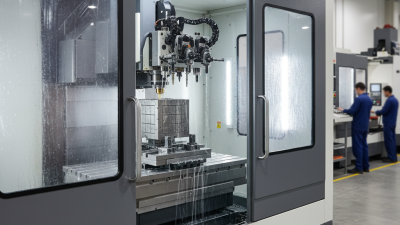
The landscape of manufacturing is evolving rapidly. Vertical CNC machines stand at the forefront of this transformation. As we approach 2026, understanding the trends that shape this technology is crucial.
Vertical CNC machines have gained popularity due to their efficiency and precision. They are ideal for complex parts and detailed work. Manufacturers are increasingly adopting these machines to enhance productivity. Yet, challenges remain. Not every company can fully utilize their capabilities.
Keeping up with advancements is key. New features and software updates can improve operations. Companies must assess their needs and invest wisely. The world of vertical CNC machines is filled with opportunities, but navigating it requires thoughtful consideration. Embracing these trends can lead to greater success, provided one approaches them with caution and foresight.
Emerging Technologies in Vertical CNC Machining for 2026
As we look toward 2026, vertical CNC machining is undergoing significant transformation driven by emerging technologies. A recent report from MarketsandMarkets indicates that the global CNC machine market size is expected to reach $117.2 billion by 2026, growing at a CAGR of 7.1%. This growth highlights the increasing integration of advanced technologies in machining processes.
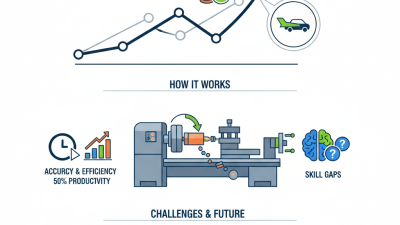
One key trend is the adoption of AI and machine learning in CNC machining. These technologies enable predictive maintenance, optimizing operations based on data analytics. Analysts expect that AI could reduce machine downtime by up to 30%. However, challenges remain. Many manufacturers struggle to implement these tech solutions effectively. There is often a lack of training, leading to underutilization of advanced features.
Another noteworthy trend is the rise of automation and robotics in CNC operations. According to a report by Research and Markets, automation in manufacturing could boost productivity by 20-50%. The challenge is the initial investment. Smaller companies may find automation costs prohibitive. Additionally, integrating robots into existing workflows can create complexities. Despite these hurdles, the benefits of improved efficiency remain enticing for many in the industry.
Key Features and Innovations in Vertical CNC Machines
Vertical CNC machines are evolving rapidly, showcasing key features that enhance precision and efficiency. One significant innovation is the integration of advanced software that allows for real-time monitoring. This technology enables operators to track machining processes more accurately, minimizing errors and maximizing productivity. As data analytics becomes essential, these machines collect metrics that guide decision-making.
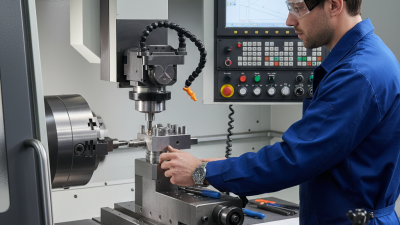
Another noteworthy feature is the improved automation in vertical CNC machines. Enhanced robotic arms and automatic tool changers streamline operations. These innovations reduce manual labor and increase the overall speed of production. With fewer human errors, output quality is consistently high.
When selecting a vertical CNC machine, consider the ease of maintenance. Regular upkeep is vital while ensuring high performance. Look for models that provide user-friendly interfaces for diagnostic checks. This can save time and reduce downtime when issues arise. Regular training for operators is equally crucial to fully leverage these machines’ capabilities. Remember, even with advancements, understanding the technology behind the machine is key to maximizing potential.
2026 Top Vertical CNC Machine Trends You Need to Know? - Key Features and Innovations in Vertical CNC Machines
| Feature |
Description |
Trend Impact |
Expected Adoption Rate |
| Enhanced Automation |
Integration of advanced robotics and AI for improved efficiency. |
Greater production efficiency and reduced cycle times. |
75% |
| Smart Sensors |
Utilization of IoT sensors for real-time monitoring and data analytics. |
Enhanced predictive maintenance and operational insights. |
80% |
| Compact Design |
Space-saving models that fit in smaller workshops without sacrificing performance. |
Increased accessibility for small to medium-sized enterprises. |
60% |
| Energy Efficiency |
Machines designed to consume less power and reduce waste. |
Lower operational costs and improved sustainability practices. |
70% |
| User-Friendly Interfaces |
Intuitive software and touchscreen controls for easier operation. |
Reduced training time and improved operator efficiency. |
85% |
Market Trends Influencing Vertical CNC Machine Designs
The vertical CNC machine market is witnessing significant shifts. According to a recent report by Market Research Future, the global CNC market is projected to grow at a CAGR of 6.42% from 2020 to 2026. This growth is driven by increasing automation in manufacturing. Companies are seeking solutions that improve efficiency and precision.
Sustainability is also influencing machine design. Manufacturers are increasingly focused on reducing waste and energy consumption. A study by Deloitte highlights that 70% of manufacturers are investing in sustainable technologies. Vertical CNC machines that incorporate energy-efficient components are gaining popularity.
Another trend is the rise of smart technologies. The integration of IoT in CNC machines allows for real-time monitoring and data analysis. This enhances operational transparency. However, the learning curve for integration remains a challenge. Many businesses feel overwhelmed by the rapid technological changes. Ensuring that operators are adequately trained is crucial for maximizing benefits.
Sustainability Initiatives in Vertical CNC Machine Manufacturing
Sustainability initiatives in vertical CNC machine manufacturing are transforming the industry. As manufacturers adopt greener practices, it becomes essential to address their impact on the environment. Reducing waste and minimizing energy consumption are high priorities. Companies are now focusing on more efficient designs that utilize less material and consume less power.
One trend is the use of biodegradable lubricants. These alternatives reduce environmental impact significantly. Additionally, some manufacturers are investing in renewable energy sources for their operations. Integrating solar or wind energy can greatly decrease carbon footprints. Nonetheless, the transition comes with challenges. Sourcing sustainable materials often leads to higher costs. This requires manufacturers to rethink their supply chains.
Another area of focus is end-of-life solutions for CNC machines. Many producers are exploring ways to refurbish or recycle machines instead of discarding them. This practice not only conserves resources but also reduces landfill waste. However, it’s not straightforward; finding viable methods for recycling complex machinery is still a work in progress. Balancing technological advancements and sustainability remains a complex task for industry leaders, yet it’s a necessary journey toward a more responsible future.
Impact of Automation and AI on Vertical CNC Machine Performance
In the landscape of vertical CNC machines, automation and AI are game changers.
These technologies enhance precision, speed, and overall performance. For instance,
AI algorithms can analyze machining data to optimize processes in real-time.
This leads to fewer errors and improved quality, which is crucial for industries
demanding high standards. Automated systems can also manage tool changes, reducing
downtime significantly.
However, the integration of these technologies isn't without challenges. Skilled
operators are necessary to oversee the automated processes. A lack of skilled
workforce could undermine the benefits of automation. Moreover, reliance on AI raises
concerns about data security and potential malfunctions. Manufacturers must strike a
balance between embracing cutting-edge technology and maintaining operational integrity.
Understanding these impacts requires continuous evaluation. As vertical CNC machines
evolve, so do their operational requirements. Companies must remain adaptable, learning
from both successes and setbacks. Investing in training can ensure that teams are prepared
for future advancements. While the direction is promising, the need for ongoing
assessment remains essential.