What is a Vertical Machining Center and How Does It Work?
In the world of precision machining, a Vertical Machining Center (VMC) stands out. Dr. Emily Carter, an expert in CNC technology, once stated, "VMCs revolutionize the way we think about manufacturing." These powerful machines allow for efficient, high-precision machining of various materials. Their design features a vertically oriented spindle, enabling easy access to the workpiece.
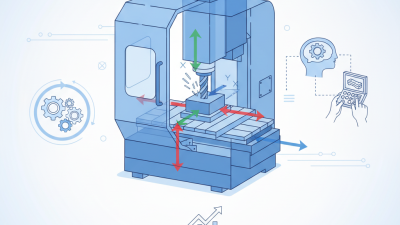
A VMC operates through the controlled movement of the cutting tool along multiple axes. This capability results in complex shapes being produced with remarkable accuracy. Its applications are extensive, ranging from automotive parts to medical devices. As industries evolve, so do the demands placed on VMCs. New technologies are constantly pushing the boundaries of what these machines can achieve.
However, challenges persist. Operators must be well-trained to maximize their potential. Misalignment or incorrect settings can lead to significant errors. Continuous improvement is essential in this field. Understanding the intricacies of a Vertical Machining Center is vital for any company striving for excellence in manufacturing processes.
What is a Vertical Machining Center? Definition and Overview
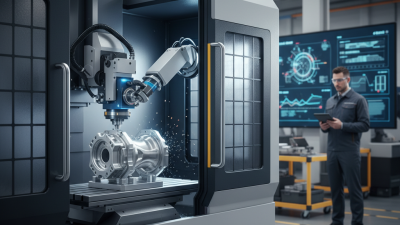
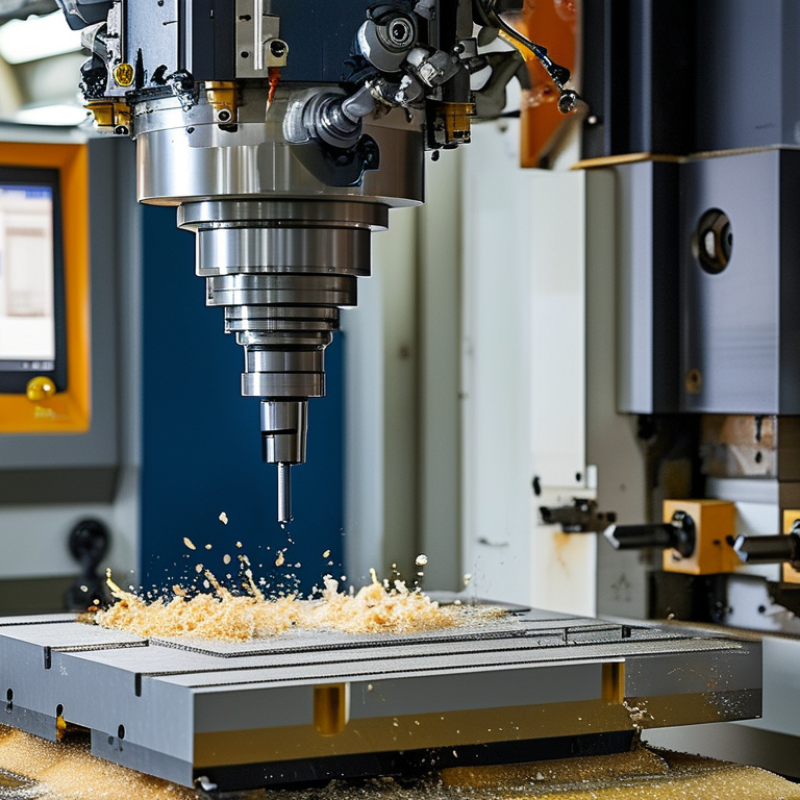
A Vertical Machining Center (VMC) is a vital tool in modern manufacturing. It primarily features a vertically oriented spindle, which allows for precise machining of various materials. The workpiece is typically mounted on a table that can move up and down, offering enhanced accessibility and control during the machining process. This setup is common in industries such as aerospace, automotive, and metalworking.
In terms of operation, a VMC uses Computer Numerical Control (CNC) to automate movements. Operators can program intricate designs that the machine follows precisely. This capability promotes efficiency and reduces human error. Yet, the reliability of the machine can vary depending on maintenance practices. Regular checks are necessary to ensure optimal performance. A neglected VMC might face breakdowns, impacting productivity.
Additionally, while a VMC excels at producing complex parts, it might not be suitable for every application. Some components require different machining centers or techniques. Understanding the limitations is crucial for efficient production. Owners and operators must weigh their options carefully. Exploration of various machinery is often needed to find the best solutions.
Key Components of a Vertical Machining Center and Their Functions
A Vertical Machining Center (VMC) is a vital tool in modern manufacturing. Its design supports various machining tasks like milling, drilling, and tapping. The key components of a VMC enhance its functionality, ensuring precision in manufacturing processes.
One crucial part is the spindle. It rotates at high speeds, allowing the cutting tools to carve intricate shapes from materials like metal and plastic. Another essential component is the worktable. This is where the material is securely held in place during the machining process. The table moves in multiple axes, which allows for a comprehensive range of movements.
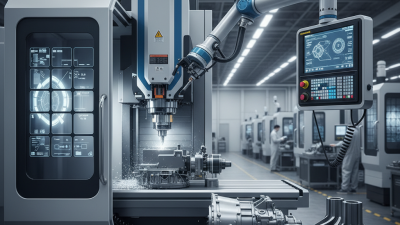
The control system is also significant. It interprets the operator’s commands and translates them into precise movements. However, there can be challenges, such as software glitches that might interrupt production. Regular maintenance is necessary to keep these systems functioning optimally. Not every operator fully understands the complexities involved, which can lead to mismanagement and errors over time. Understanding these components improves efficiency and minimizes downtime.
How Vertical Machining Centers Operate: A Step-by-Step Guide
Vertical Machining Centers (VMCs) play a crucial role in modern manufacturing. They utilize a rotating spindle to cut materials in various shapes. The setup could involve clamping the material onto a table, while the spindle carries out precise movements. Industry reports indicate that machining centers have increased productivity by 20% over the past decade.
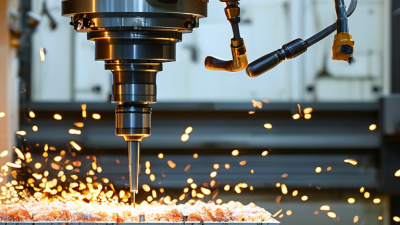
The operation of a VMC follows a systematic approach. Initially, a technician selects the appropriate tools based on the job specifications. Next, the CNC (Computer Numerical Control) software is programmed with the design specifications. This step demands accuracy. A minor error can lead to significant waste. Once the setup is complete, the machine starts cutting, moving in multiple axes to shape the material effectively.
Challenges in using VMCs arise when dealing with complex geometries. Sometimes, the programming might not fully align with the expected output. A well-calibrated machine can still produce deviations in parts. Continuous monitoring during the machining process can mitigate these issues. Attention to detail in operation is essential for meeting tight tolerances. Data show that about 15% of parts may require rework, highlighting the need for constant improvement in techniques and processes.
What is a Vertical Machining Center and How Does It Work?
| Feature |
Description |
| Type |
Vertical Machining Center (VMC) |
| Axis Movement |
Typically 3-axis or 5-axis |
| Applications |
Used for precision machining of components in various industries |
| Materials |
Aluminum, steel, plastic, composites, and more |
| Key Components |
Spindle, tool holder, coolant system, control panel |
| Process Steps |
Design, Setup, Machining, Quality Control |
| Advantages |
High precision, efficiency, reduced cycle times |
| Limitations |
Limited to certain types of machining operations, higher initial cost |
Applications and Industries Utilizing Vertical Machining Centers
Vertical Machining Centers (VMCs) are vital in various industries.
These machines excel in precision machining and are widely used in automotive, aerospace, and medical applications.
According to a market analysis, the global CNC machining market is expected to grow to $100 billion by 2025, indicating significant reliance on VMCs.
In the automotive sector, VMCs manufacture complex parts with tight tolerances.
They create components like engine blocks and gears efficiently.
Aerospace uses VMCs for intricate designs in turbine engines and airframe structures.
A report noted that around 40% of aerospace parts are produced using VMC technologies.
In the medical field, VMCs produce surgical instruments and implants, ensuring high-quality standards.
Yet, the use of VMCs isn't without challenges.
Setup times can be lengthy, impacting productivity.
Skilled operators are essential, as poor programming can lead to costly errors.
As technology advances, integrating automation can further enhance efficiency.
Still, the balance between automation and skilled labor remains a topic for reflection.
Continuous innovation and training are necessary for optimal results in machine utilization.
Benefits and Limitations of Vertical Machining Centers in Manufacturing
Vertical Machining Centers (VMCs) have transformed manufacturing with their precision and efficiency. They are particularly effective for complex parts. Many industries, such as aerospace and automotive, rely on them for specific applications. However, VMCs come with unique benefits and limitations.
One major benefit is their ability to handle intricate designs. A study by the International Association of Machinists highlights that VMCs can reduce cycle times by up to 30%. This efficiency can lead to substantial cost savings. Moreover, VMCs often provide higher accuracy than traditional machining methods. This precision is crucial in sectors where tight tolerances are necessary. Many manufacturers report increased production rates, as VMCs can run continuously with minimal downtime.
However, VMCs are not without limitations. Their initial investment can be significant, making them less accessible to smaller firms. Additionally, the space required for a vertical machining setup can be considerable. Some operations may find it challenging to train staff to use these advanced machines effectively. According to a recent survey, nearly 20% of machining mistakes stem from insufficient training. While VMCs enhance productivity, the need for skilled operators remains a barrier for some.