Top Cnc Turning Machine Benefits for Global Buyers?
The global manufacturing landscape is rapidly evolving, and CNC turning machines are at the forefront of this transformation. According to a report by Industry Research, the CNC machine market is projected to reach $100 billion by 2025, highlighting the growing demand from buyers across various sectors. These machines enhance precision and efficiency, making them indispensable. Moreover, their ability to reduce waste and increase productivity aligns perfectly with modern sustainability goals.
CNC turning machines can produce intricate parts with minimal human intervention. This advancement leads to a significant reduction in production time. For instance, a study by Allied Market Research reveals that CNC technology can boost production efficiency by up to 30%. Such statistics underline the reliability and effectiveness of CNC turning machines in meeting the demands of diverse industries.
However, it is crucial for buyers to consider their specific needs. Investing in a CNC turning machine requires careful evaluation. Some reports indicate that while these machines offer numerous benefits, initial costs and ongoing maintenance can be a concern. Understanding these dynamics ensures informed decision-making in an increasingly competitive market.
Understanding CNC Turning Machines and Their Importance
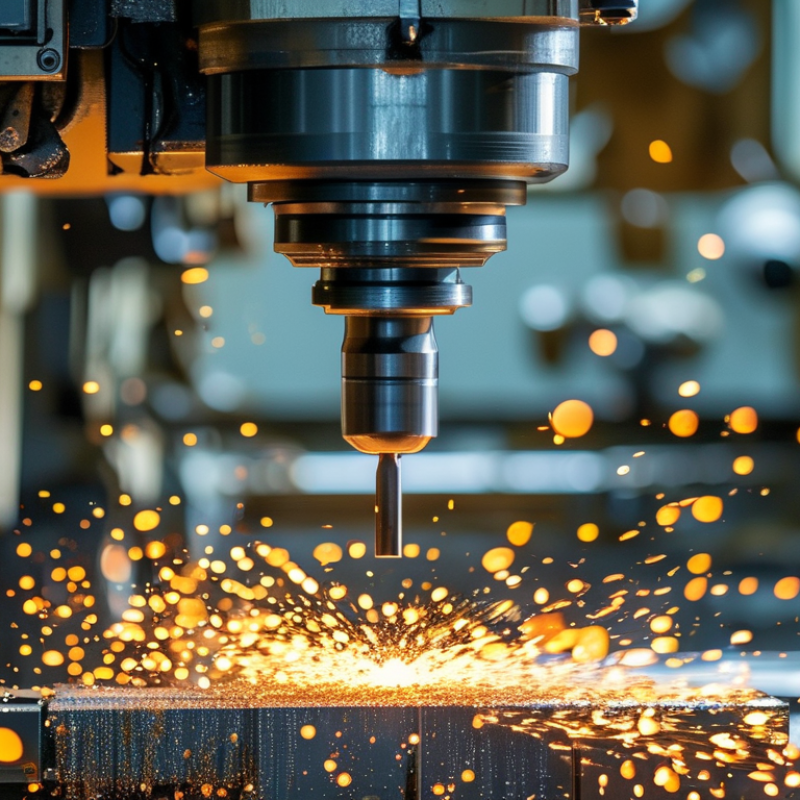
CNC turning machines have revolutionized the way manufacturers approach precision machining. These machines utilize computer numerical control technology to perform complex tasks with speed and accuracy. The importance of CNC turning machines lies in their ability to produce intricate parts that meet strict tolerances. This reliability makes them an asset for industries ranging from aerospace to medical devices.
Maximizing efficiency is crucial for any manufacturing operation. CNC turning machines enable consistent quality while minimizing human error. Unlike manual methods, these machines operate autonomously, reducing labor costs and production time. However, it is vital to remember that training operators on these machines is essential. Without skilled personnel, the technology's full potential may not be realized.
Despite their many advantages, CNC turning machines also present challenges. Maintenance can be complex and costly. Regular inspections and adjustments are necessary to ensure they operate smoothly. Manufacturers must stay vigilant and proactive, ensuring that the machines remain in peak condition. This approach ultimately contributes to sustained production efficiency and quality output.
Top CNC Turning Machine Benefits for Global Buyers
Key Benefits of CNC Turning Machines for Global Buyers
CNC turning machines are pivotal for global buyers looking to enhance productivity. These machines provide precision in manufacturing, allowing for intricate designs that manual processes struggle to achieve. This precision translates into fewer errors and less waste, which is vital for cost efficiency. Buyers often appreciate quick turnaround times. Automated systems can complete tasks faster than traditional methods, meeting the demands of tight schedules.
Moreover, CNC turning machines offer versatility. They can handle various materials, including metals, plastics, and composites. This adaptability allows manufacturers to cater to diverse industries, from aerospace to medical equipment. However, with this versatility comes a steep learning curve. Operators need proper training to maximize efficiency. Any lapse in understanding can lead to operational setbacks, affecting production schedules.
Investing in CNC technology can significantly elevate a company's competitive edge. Yet, buyers must consider maintenance needs. Regular servicing is essential to ensure longevity and performance. Failure to adhere to maintenance schedules can result in costly repairs. As technology advances, staying updated with the latest trends is crucial. Manufacturers must strike a balance between adopting new innovations and ensuring their systems remain reliable.
Top CNC Turning Machine Benefits for Global Buyers
| Benefit |
Description |
Impact on Buyers |
| Increased Precision |
CNC turning machines offer high precision and repeatability, reducing human error. |
Leads to higher quality products and reduces wastage, lowering production costs. |
| Enhanced Efficiency |
Automated processes allow for faster production times compared to manual machining. |
Enables businesses to meet tight deadlines and increase output. |
| Flexibility in Production |
CNC turning can handle various materials and complex geometries easily. |
Supports diverse product lines and custom orders without significant downtime. |
| Cost Effectiveness |
Reduces labor costs and waste, optimizing resource use. |
Increases profitability for manufacturers and provides competitive pricing. |
| Safety Improvements |
CNC machines minimize manual handling, reducing workplace injuries. |
Promotes a safer working environment and lowers insurance costs. |
Cost Efficiency: How CNC Machines Reduce Manufacturing Expenses
CNC machines have revolutionized manufacturing processes globally. Their cost efficiency is a significant benefit for buyers.
CNC turning machines streamline operations, reducing labor costs and material waste. These machines automate tasks that were once labor-intensive, allowing for precision and speed that traditional methods cannot match.
Tips: Consider integrating CNC machines gradually. Start with a single unit to evaluate its impact. Monitor production efficiency closely to fine-tune your operations.
By reducing errors and minimizing scrap, CNC turning machines save money. They use advanced technology to optimize the entire production cycle. This process leads to higher quality parts made in less time. However, initial investments can be high. It's crucial to analyze the potential return on investment before making a leap.
Tips: Train your staff effectively to maximize machine potential. Knowledgeable operators can unlock greater efficiency. Regular maintenance is essential to avoid unexpected costs. Implementing a preventive maintenance schedule can help.
Enhanced Precision and Quality in CNC Turning Operations
CNC turning machines have transformed manufacturing by increasing precision and quality in machining operations. With advanced technologies, these machines ensure that parts are created with exact specifications. The enhanced precision reduces errors, minimizes waste, and improves the overall quality of products.
For global buyers, investing in these machines can yield significant benefits. Consistency in production is one major advantage. Each component produced meets stringent quality standards. Additionally, advanced CNC turning processes can craft complex geometries with minimal manual intervention. This increases productivity and allows for a faster turnaround on projects.
Tips: Always assess your specific needs before buying. Consider the type and volume of parts you plan to produce. Understanding your requirements can prevent costly mistakes. Regular maintenance of CNC machines is crucial for sustaining high-quality output. A well-maintained machine will help avoid downtime and ensure precision remains intact.
While CNC turning machines can significantly enhance quality, they require an initial learning curve. Operators must be well-trained to maximize their potential. Investing in training can enhance machine use and boost overall performance. A balance between technology and skilled operators will yield the best results.
The Future of CNC Turning: Innovations and Global Market Trends
The landscape of CNC turning is rapidly evolving. Innovations are at the forefront of this transformation. Automation and advanced software are streamlining the machining process. This leads to increased efficiency and precision, essential in today’s competitive market.
Sustainability is another crucial trend. Manufacturers are exploring eco-friendly materials and practices. This shift is not only beneficial for the planet but also attracts environmentally conscious buyers. Companies must adapt and invest in sustainable solutions to remain relevant.
However, challenges persist. Not all businesses have the resources to implement these technologies. The learning curve can be steep, causing hesitation among traditional manufacturers. Embracing change is vital, but it requires careful consideration of costs and potential risks. The future of CNC turning holds promise, yet it demands a proactive approach to innovation and sustainability.