How to Choose the Best Vertical Lathe for Your Needs?
Choosing the right Vertical Lathe can be challenging. Every workshop and production line has distinct needs. Understanding these needs is essential. Make the wrong choice, and you could face inefficiencies or costly mistakes.
Vertical Lathes offer unique advantages. They save space and provide excellent precision, but not every model suits every task. Consider factors like size, material, and processing capabilities. These elements will determine the best fit for your work. Reviews and expert opinions can guide you, but personal experience matters too.
Evaluating your options requires careful thought. You need to analyze your production requirements critically. Reflecting on your past equipment choices can offer valuable insights. In the end, the best Vertical Lathe is one that truly meets your specific demands.
Understanding Vertical Lathes: Types and Features
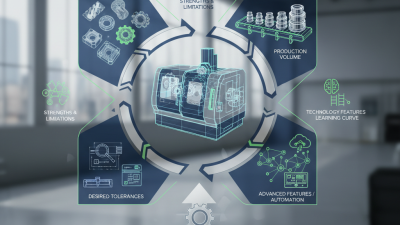
When selecting a vertical lathe, understanding its types and features is essential. Vertical lathes come in various configurations, such as fixed and movable types. Fixed lathes are best for batch production, while movable ones offer versatility for different workpieces. Evaluating your production needs will guide you to the right choice.
Another key feature is the spindle speed. Higher spindle speeds often lead to better finishes but may limit material types. Power and torque levels also matter, especially for larger or harder materials. Consider what materials you'll be working with and whether the machine can handle them.
Don't overlook additional features like CNC capabilities or advanced tooling options. These can greatly enhance functionality but may increase costs. Sometimes, less complex machines can suit your needs just fine. Always reflect on whether you truly require advanced features or if basic options are sufficient for your tasks.
Key Factors to Consider When Choosing a Vertical Lathe
Choosing the right vertical lathe requires careful consideration. Key factors include the size, spindle speed, and tooling options available. According to a report from the International Machine Tool Association, demand for advanced vertical lathes has grown by 25% over the last five years. This growth highlights the importance of making an informed decision.
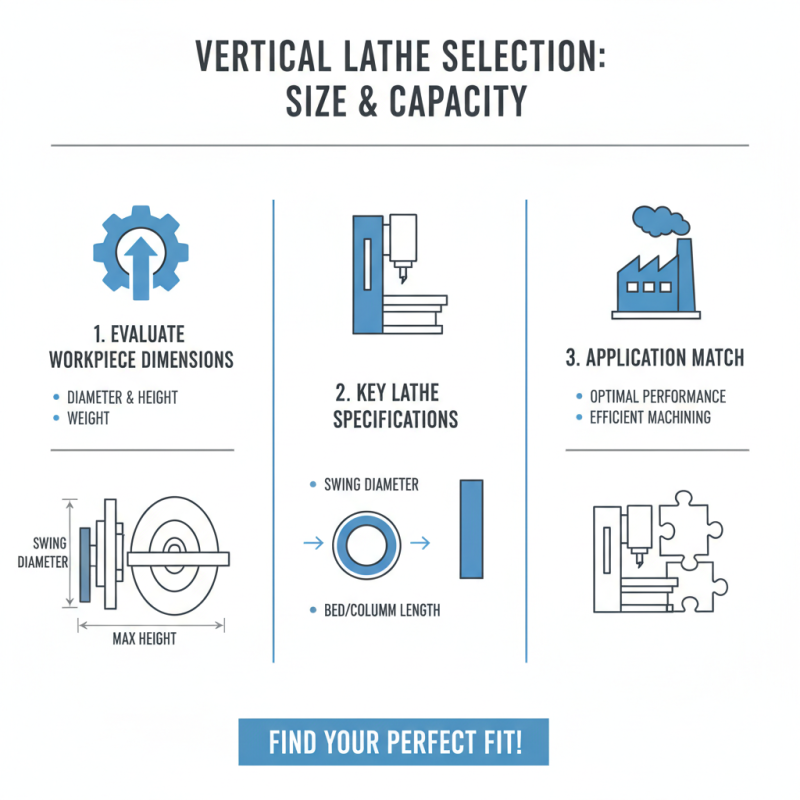
Another crucial factor is the material handling capabilities of the lathe. A machine's weight capacity plays a key role. Many users overlook this, leading to inadequate equipment for their projects. It's essential to assess your workload before finalizing a choice. A lathe suited for lighter workloads may not perform adequately for heavy-duty tasks.
Tips: Always evaluate your production requirements. Ideally, consult an expert to understand different models and their specific features. Don't rush your decision. Take time to reflect on your priorities. Selecting a machine that won’t fully meet your needs can lead to wasted resources. Prioritize reliability and precision, as they greatly influence your lathe’s durability and output quality.
Vertical Lathe Selection: Key Factors Comparison
Evaluating Precision and Tolerance for Optimal Performance
When selecting a vertical lathe, precision and tolerance are essential.
These factors directly affect the quality of your machining process. A precise machine minimizes errors and ensures consistent results.
Tolerance refers to how much deviation from a specified dimension is acceptable. High-precision machines allow tighter tolerances, which are crucial for critical applications.
Tips for evaluating precision include examining machine specifications. Look for details like spindle accuracy and repeatability.
A well-calibrated lathe contributes to better machining outcomes. Pay attention to the stability of the machine during operation. A stable setup reduces vibrations, enhancing precision.
Consider tolerance levels based on your projects. Some components may not demand tight tolerances, while others do. It's important to analyze the specific parts you are creating. A vertical lathe should align with these requirements for optimal performance.
Sometimes, we might overlook the importance of routine maintenance. Regular checks can prevent minor issues from affecting overall precision.
Budget Considerations: Cost vs. Features in Vertical Lathes
When considering the purchase of a vertical lathe, budget is often a prime factor. The initial price can vary significantly based on features. A cheaper model may lack advanced capabilities. These can include precise controls, speed variability, and durability. If you underestimate these features, costs can skyrocket over time.
Cost savings can lead to trade-offs. A low-priced lathe might mean increased maintenance needs and repairs. This could offset any initial savings. For instance, consider machines that offer minimal automation. They may perform basic tasks but could fall short under heavier loads. It’s crucial to analyze long-term usability, not just upfront expenses.
Investing in a more reliable unit could save money in the long run. Durable materials and high-quality components tend to lower maintenance frequency. You might think that your budget restricts you to basic models. However, assessing total lifetime costs reveals that a thoughtful investment can result in better performance and fewer headaches. Look beyond the price tag; think about what features truly matter for your operations.