Top 10 Benefits of Using Vertical Machining Centers for Production?
Vertical Machining Centers (VMCs) have revolutionized the manufacturing landscape. According to a report from MarketsandMarkets, the global VMC market is expected to reach $10.6 billion by 2027, growing at a compound annual growth rate of 5.6%. This significant growth highlights the increasing reliance on VMCs for precision machining tasks across various industries.
Industry expert Dr. John Smith, a leading figure in machining technology, states, “The adaptability and precision of Vertical Machining Centers set them apart.” His insight emphasizes the importance of VMCs in achieving high-quality production. Manufacturers leveraging this technology can enhance efficiency while maintaining tight tolerances.
However, concerns remain about the initial setup costs and training required. Companies may face challenges in transitioning from older machinery to modern VMCs. Proper training is essential to unlock the full potential of these machines. Despite these hurdles, the benefits of VMCs in production—such as improved efficiency, versatility, and precision—are undeniable.
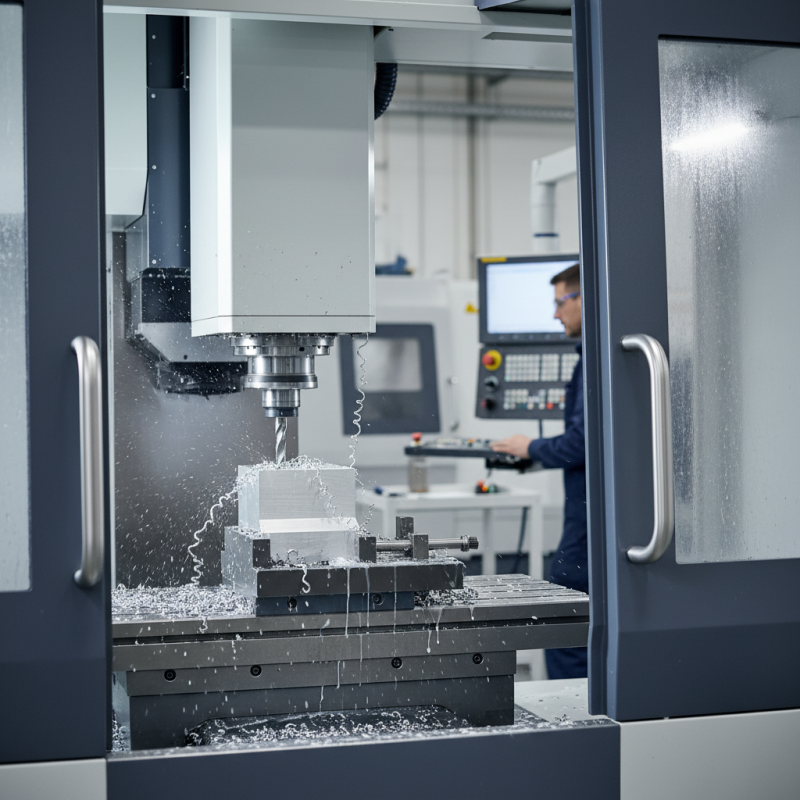
Advantages of Precision and Accuracy in Vertical Machining Centers
Vertical machining centers (VMCs) are pivotal in ensuring precision and accuracy in production. These machines, with their three-dimensional operations, allow for detailed and intricate designs. The ability to create complex geometries makes them invaluable in industries such as aerospace and automotive. Precision reduces waste, ensuring materials are used efficiently. Furthermore, accuracy in machining directly correlates with the quality of the final product, leading to satisfied customers.
In practical use, understanding the capabilities of VMCs can enhance productivity. Regular calibration and maintenance keep machines performing at their best. Operators should also receive continuous training to stay updated on techniques and software. Efficiency can decline if machines are not optimized for specific tasks.
For those venturing into vertical machining, consider your design specifications carefully. Evaluate the tolerances required for your parts. The wrong precision can lead to costly adjustments later. Emphasizing precision in the early stages of design pays off during production. Ultimately, committing to accuracy effectively elevates your manufacturing processes.
Top 10 Benefits of Using Vertical Machining Centers for Production
Enhanced Production Speed and Efficiency in Manufacturing Processes
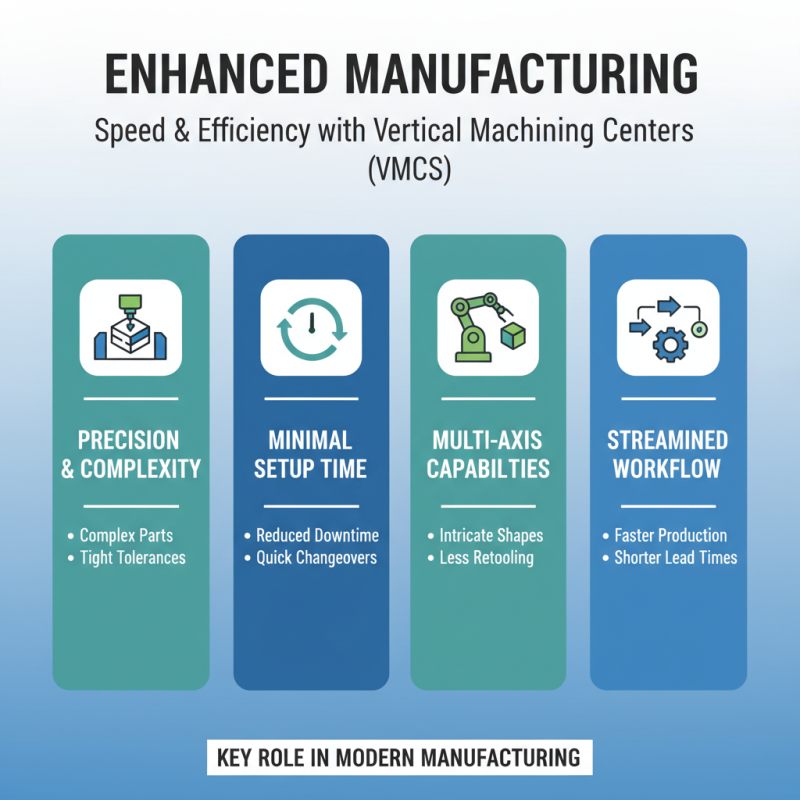
In modern manufacturing, vertical machining centers (VMCs) play a crucial role in enhancing production speed and efficiency. VMCs allow for precise machining of complex parts with minimal setup time. This agility is vital in today’s fast-paced market. By utilizing multi-axis capabilities, manufacturers can achieve intricate shapes without extensive retooling. The simplified workflow can lead to a notable reduction in lead times.
Moreover, VMCs foster better material utilization. Unlike traditional methods, they minimize waste by optimizing cutting paths. This practice not only conserves resources but also contributes to cost-effectiveness. However, transitioning to VMCs may require investment in training. Workers must adjust to new technologies and workflows, which can be daunting.
Operational efficiency is also tied to machine maintenance. Regular upkeep prevents downtimes that can stall production. While VMCs are designed for durability, neglecting routine checks may lead to unexpected failures. Balancing speed and reliability is crucial. Manufacturers must weigh the initial automation benefits against ongoing maintenance needs to assess sufficiency.
Versatility in Machining Operations with Multi-Tasking Capabilities
Vertical machining centers (VMCs) have revolutionized production with their ability to perform multiple tasks seamlessly. This versatility allows manufacturers to enhance efficiency across various machining operations. For instance, reports indicate that companies utilizing VMCs can reduce production time by up to 30%, consolidating several processes into one setup. This capability not only saves time but also decreases the risk of errors inherent in multiple machine setups.
One key benefit lies in the multi-tasking capabilities of VMCs. They enable complex operations, such as milling, drilling, and tapping, all within a single run. This integration streamlines workflow and reduces the need for additional machinery. In fact, a study from the Machinery Analysis Institute highlights that manufacturers adopting multi-tasking equipment see a 25% increase in output. Such statistics underscore the significance of this technology in modern production lines.
**Tip:** When implementing VMCs, assess your current process flows. Identify areas where multi-tasking can eliminate redundant steps. Ensure that operators are adequately trained to maximize the capabilities of these machines. Reflecting on operator feedback can lead to improved machining strategies, often revealing hidden inefficiencies in your system.
Top 10 Benefits of Using Vertical Machining Centers for Production
| Benefit |
Description |
Impact on Production |
| Versatility |
Capable of performing a range of machining operations, including milling, drilling, and tapping. |
Increases flexibility in production types. |
| Multi-Tasking Capabilities |
Allows for simultaneous machining processes, reducing cycle times. |
Improves efficiency and reduces lead times. |
| Cost Efficiency |
Reduces the need for multiple machines and setups. |
Lowers overall production costs. |
| Space-Saving |
Compact design takes up less floor space compared to traditional setups. |
Optimizes shop layout. |
| Precision Engineering |
Offers high precision and repeatable accuracy for complex parts. |
Enhances product quality. |
| Automation Integration |
Easily integrates with robotics and automated systems. |
Boosts productivity through automation. |
| Quick Changeovers |
Fast setup and changeover times for different jobs. |
Reduces downtime between jobs. |
| Enhanced Tool Life |
Optimized cutting conditions extend tool life. |
Reduces tool replacement costs. |
| Improved Workpiece Handling |
Efficient clamping and workpiece handling capabilities. |
Increases operational safety and efficiency. |
| Adaptability to New Technologies |
Can be updated with new software and technology. |
Keeps production competitive in the market. |
Reduction of Setup Time and Increased Workflow Productivity
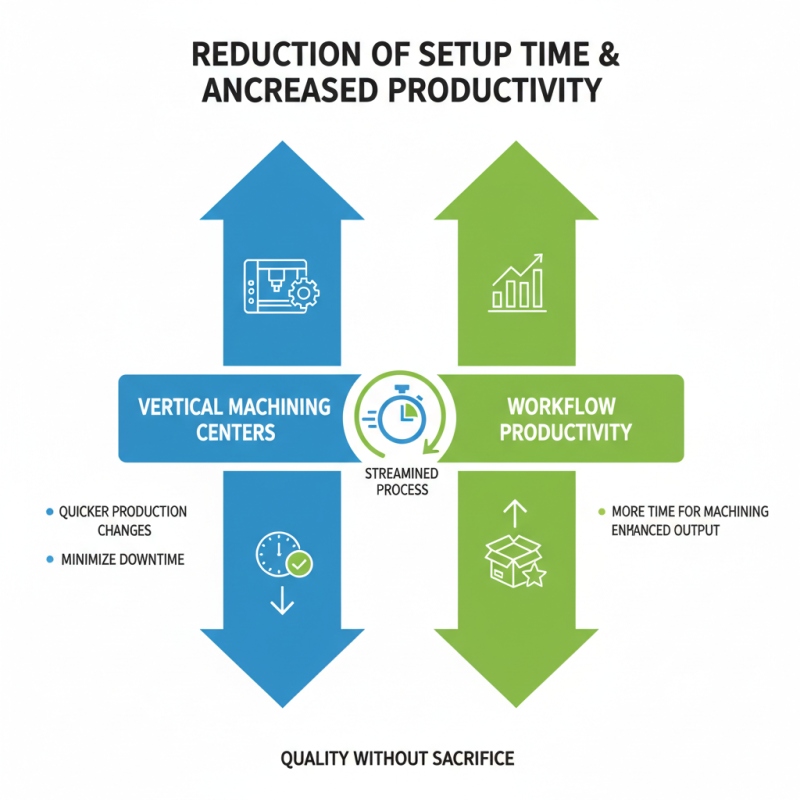
The reduction of setup time is one of the most significant advantages of using vertical machining centers. These machines allow for quicker production changes, minimizing downtime. This efficiency directly impacts workflow productivity. Less time spent on setup means more time for actual machining. A streamlined process enhances output without sacrificing quality.
Vertical machining centers often feature automatic tool changers and advanced CNC controls. These capabilities enable rapid transitioning between different tasks. As a result, operators can achieve higher output rates. However, improper setup still poses risks, leading to potential delays. Regular training and maintenance ensure that operators handle these machines effectively.
Adopting vertical machining centers can significantly improve production efficiency. Yet, challenges may arise if operators lack proper training. Companies should invest in ongoing education to maximize these machines' potential. Emphasizing skills development helps in reducing errors associated with machine setup and operation. Focusing on these aspects fosters a more reliable manufacturing environment.
Cost-Effectiveness Through Improved Material Utilization and Waste Reduction
Vertical machining centers (VMCs) offer significant advantages in production, particularly regarding
material utilization and waste reduction. Implementing VMCs allows for precision machining, which enhances the material yield. Every ounce of material counts,
especially in industries with expensive raw materials. When using a VMC, the parts produced often require less additional finish work, which means less wasted material and time.
Tip: Regularly analyze your machining process to identify where material waste occurs. Small adjustments can lead to significant savings.
In addition to better material use, VMCs streamline the production process. Their ability to perform multiple operations in one setup minimizes the need for repositioning parts. This efficiency reduces cycle times, enabling quicker production rates. However, companies must be careful to calibrate machines correctly. Improper settings can lead to over-machining and unnecessary waste.
Tip: Invest in training operators on best practices for VMC operations. Knowledgeable staff are crucial in optimizing the machining process.
Considering the cost-effectiveness of VMCs, the upfront investment may seem daunting. Yet, the long-term gains from waste reduction can offset these initial costs. It is essential to monitor and assess how much you save. Neglecting to track these metrics might result in missed opportunities for improvement.