What is 5 Axis Machining Center and Its Benefits for Buyers?
The 5 Axis Machining Center is revolutionizing the manufacturing industry. This advanced technology allows for intricate and precise machining operations. Buyers are increasingly drawn to these centers due to their efficiency and versatility.
One of the key benefits is the ability to perform complex cuts that traditional machines struggle with. With five axes of movement, products can be machined from multiple angles simultaneously. This capability reduces the need for multiple setups, saving time and improving accuracy. However, it requires skilled operators who understand its complexities.
Investing in a 5 Axis Machining Center can be daunting. The costs are higher than traditional machines. Buyers must weigh these expenses against potential efficiency gains. Understanding both the benefits and challenges is crucial for making informed decisions in a competitive landscape.
What is a 5 Axis Machining Center?
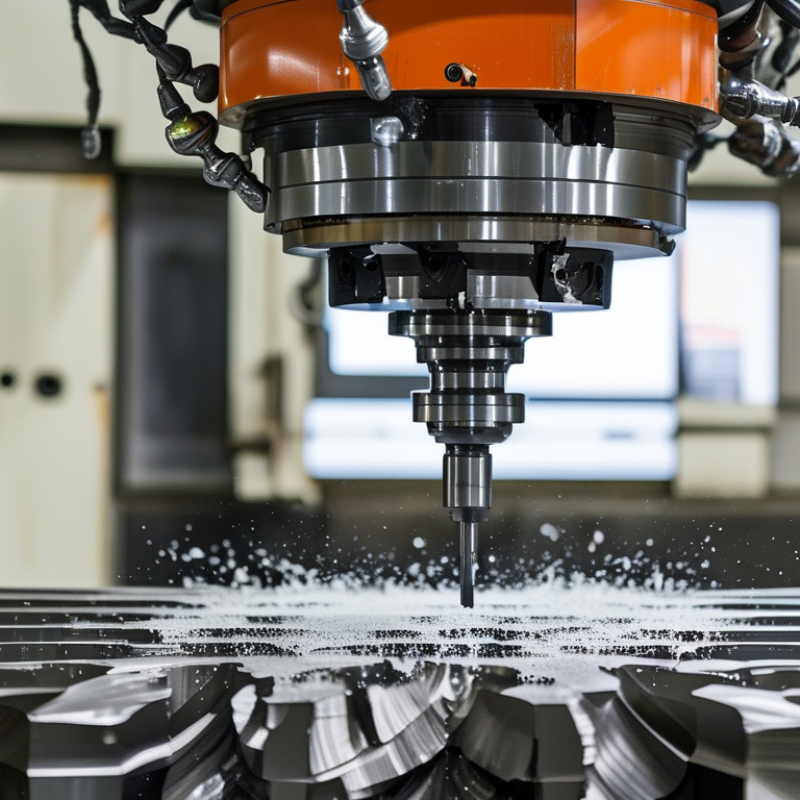
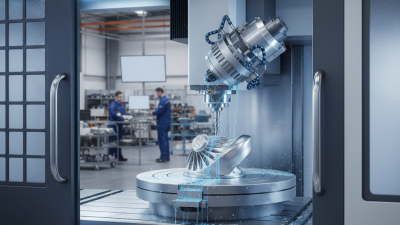
A 5-axis machining center is a highly advanced tool in the realm of precision manufacturing. It allows for five different axes of movement, enabling intricate designs to be created with high efficiency. According to industry reports, over 60% of manufacturers are shifting towards 5-axis technology due to its ability to produce complex geometries that would be challenging to achieve with traditional 3-axis systems.
These machines can operate on multiple sides of a workpiece in one setup, reducing the need for repositioning. This not only saves time but also minimizes the chances of errors. Data from the International Manufacturing Technology Show suggests that 5-axis machining enhances production efficiency by up to 30%. The ability to work on any angle improves the overall quality of the final product.
However, 5-axis machining centers come with challenges. They require skilled operators who understand their capabilities deeply. While they can significantly boost productivity, the initial investment is considerable. Many small businesses may hesitate to adopt this technology due to budget constraints. Balancing cost versus benefit becomes a critical reflection point for potential buyers in this evolving landscape.
Key Components of a 5 Axis Machining Center
A 5-axis machining center is an advanced manufacturing tool. It facilitates complex machining processes by moving tools along five different axes. These machines rely heavily on precision, making them crucial in fields like aerospace and automotive manufacturing. Reports indicate that companies using 5-axis technology witness efficiency improvements of up to 30%. The ability to perform intricate cuts in a single setup minimizes labor time.
Key components of a 5-axis machining center include the spindle, control system, and linear axes. The spindle is vital for rotational movement, influencing speed and cutting force. A robust control system, often integrated with CAD/CAM software, ensures accurate motion coordination. This technological synergy allows for enhanced tool path optimization, leading to better surface finishes.
Interestingly, while the benefits are clear, manufacturers sometimes overlook maintenance. Neglecting the upkeep of the spindle can lead to precision loss. Similarly, software updates are often delayed, risking operational efficiency. Reliability is paramount in machining, and any lapse can lead to costly errors. Hence, staying proactive about maintenance is essential for maximizing output.
How 5 Axis Machining Works: An Overview
5-axis machining centers represent a significant advancement in manufacturing technology. Traditional machining methods often struggle with complex geometries, leading to longer production times and higher costs. In contrast, 5-axis machining allows for simultaneous movement along five different axes. This flexibility enables the creation of intricate designs and precise components in a single setup, which reduces the need for multiple operations and setups.
Studies indicate that manufacturers using 5-axis machines can achieve up to 30% reduction in production time compared to conventional methods. This efficiency leads to lower overall costs and improved productivity. For example, aerospace manufacturers report that 5-axis machining enhances their ability to produce lightweight components with complex features, crucial for aircraft performance and fuel efficiency.
Despite its advantages, implementing 5-axis machining also presents challenges. The initial investment is high, and the machines require skilled operators. As technology develops, continuous training becomes vital to maximize the benefits of these machines. Companies must weigh these factors carefully, considering both the short-term costs and long-term gains associated with 5-axis machining. Balancing automation with human skills is essential for a successful transition to this advanced manufacturing technique.
What is 5 Axis Machining Center and Its Benefits for Buyers?
| Feature |
Description |
Benefits |
| Multi-Directional Milling |
Allows machining at various angles providing flexibility in design. |
Increased design possibilities and component complexity. |
| Time Efficiency |
Reduces the need for multiple setups and tooling changes. |
Lower production costs and faster turnaround times. |
| Accuracy |
Offers high precision with less human error. |
Consistent quality in final products. |
| Material Versatility |
Can work with various materials like metals, plastics, and composites. |
Flexibility in application across industries. |
| Reduced Labor Costs |
Automates complex machining processes. |
Less reliance on skilled labor for setups. |
Benefits of 5 Axis Machining for Buyers
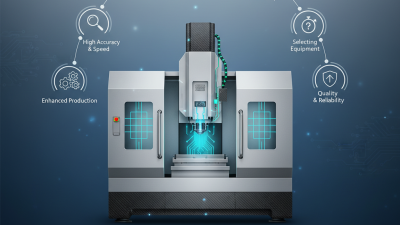
Five-axis machining centers have become crucial in modern manufacturing. These machines enhance precision and efficiency, benefitting buyers significantly. With their ability to manipulate tools in multiple directions, they create complex shapes seamlessly. This capability reduces setup time and enhances production speed.
One major benefit for buyers is the reduction in machining times. By cutting in various planes, these centers minimize the need to reposition materials. This streamlined process elevates productivity and improves order turnaround. Furthermore, a five-axis machine offers flexibility. It accommodates various materials, from metals to plastics, allowing buyers to diversify their offerings.
Cost-effectiveness is another significant advantage. While the initial investment may be higher, the long-term savings can be substantial. Fewer setups mean reduced labor costs. However, buyers should consider the learning curve. Effective training is vital for operators to harness the full potential of the machine. Inadequate training can lead to mistakes, impacting overall efficiency. Thus, while five-axis machining centers present vast opportunities, preparation is essential for maximizing their benefits.
Applications of 5 Axis Machining in Various Industries
The application of 5-axis machining has transformed various industries, particularly aerospace, medical, and automotive sectors. These industries benefit from the ability to create complex geometries that traditional machining methods cannot achieve. For instance, a 2022 industry report indicated that 5-axis machining increases efficiency by up to 30%, significantly reducing production time. This is critical for sectors like aerospace, where precision and time are essential.
In the medical field, 5-axis machining allows for the production of intricate components. Surgical instruments require high precision for safety and efficacy. According to a study by a leading manufacturing association, companies utilizing 5-axis technology reported a 25% reduction in the likelihood of defects. This enhanced reliability is vital when patient lives depend on the accuracy of medical devices.
The automotive industry sees substantial advantages as well. With the rise of electric vehicles, manufacturers are adopting 5-axis machining to produce lightweight components that improve energy efficiency. Data from the International Society of Automotive Engineers shows that parts produced with 5-axis can be up to 40% lighter. Yet, the technology comes with its challenges. Some manufacturers struggle to employ skilled labor for this advanced machining process. It creates a gap that needs addressing to maximize the potential of 5-axis capabilities.