



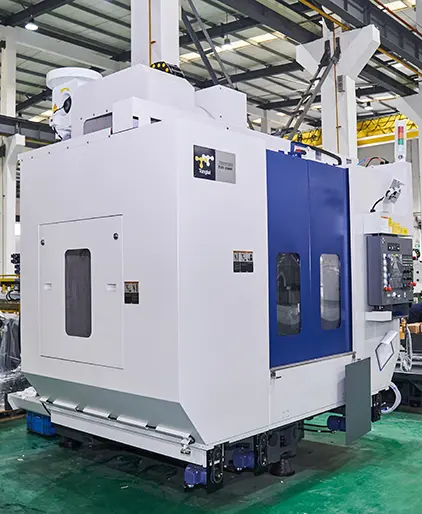
How the VC-610 Revolutionizes Large-Mold Machining
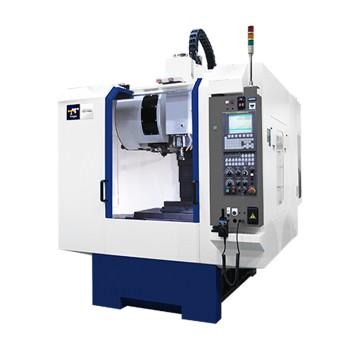
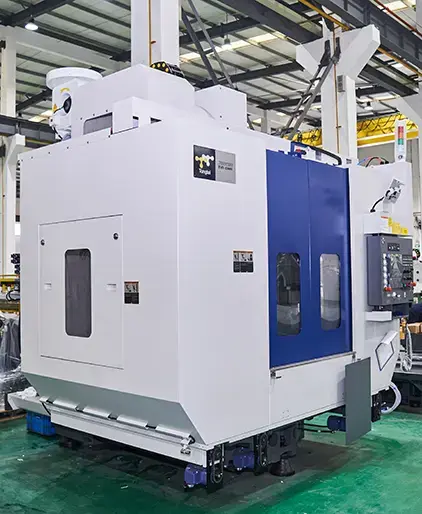
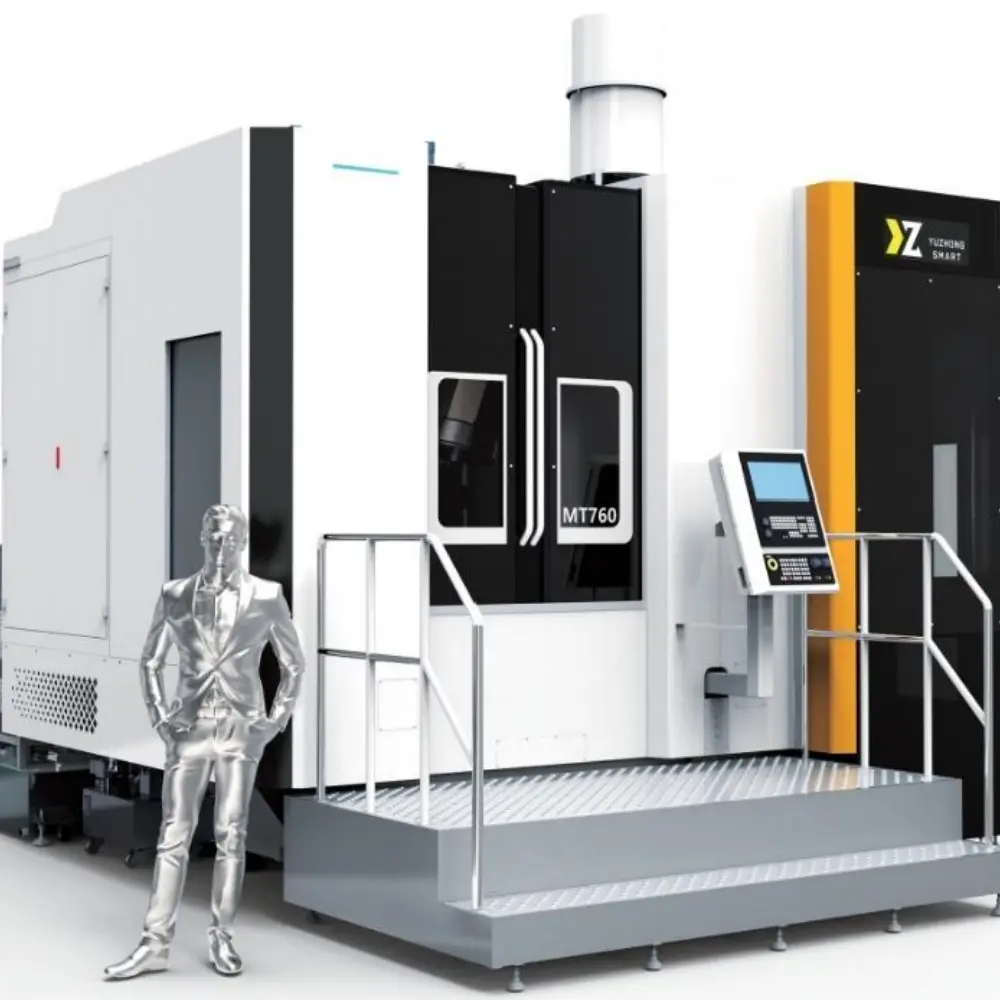
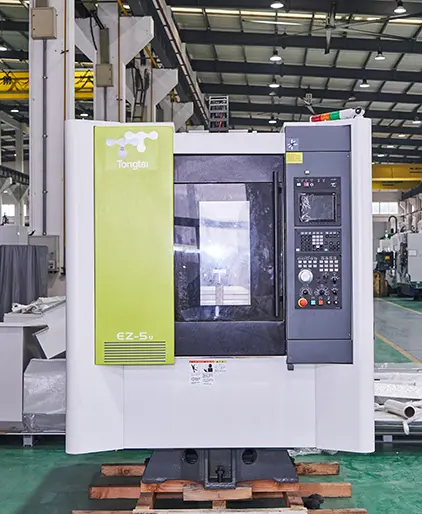
The Tongtai VC-610 stands out as a revolutionary Vertical Machining center, specifically designed forDie and Mold Machining Center applications, enhancing precision and efficiency in large-mold machining. This advanced CNC milling solution significantly reduces setup time by 40%, allowing manufacturers to meet OEM tolerances without repositioning. The VC-610 optimizes cost management by minimizing rework for high-value molds, making it an essential piece of precision machining equipment in the tooling industry.
Large-Mold Challenges
Large-mold machining presents several challenges that manufacturers must navigate to achieve optimal results. These challenges primarily revolve around precision issues, efficiency constraints, and cost management.
Precision Issues
Precision is critical in large-mold machining. Manufacturers often encounter several common challenges that can compromise accuracy:
- Overcutting and Accuracy Issues: Insufficient tool strength, improper tool selection, and operator errors can lead to overcutting, affecting the final product's dimensions.
- Burrs around Molds and Centering Issues: These problems can detract from the appearance quality and hinder part positioning accuracy.
- Tool Setting Problems: Inaccurate tool settings can significantly decrease machining accuracy, leading to costly rework.
- Collision Issues: Programming errors and operator mistakes can result in collisions, impacting both safety and precision.
- Machine Performance and Stability: High demands for machine accuracy, rigidity, and thermal stability are essential for maintaining precision during machining.
- Material Characteristics and Cutting Processes: Different materials require specific cutting parameters for optimal performance, complicating the machining process.
Efficiency Constraints
Efficiency constraints can hinder production speed and increase operational costs. Several factors contribute to these constraints:
| Factor | Description |
|---|---|
| Material and Machine Parameters | The selection of materials and optimization of machine parameters like clamping force and injection pressure are crucial for efficiency. |
| Mold Design | A well-designed mold reduces defects and improves production speed through effective plastic flow. |
| Automation | Automated systems enhance precision and speed, reducing human error and increasing productivity. |
| Digital Solutions | Technologies like IoT enable real-time monitoring and predictive maintenance, minimizing downtime. |
Addressing these factors can lead to significant improvements in overall efficiency, allowing manufacturers to meet production demands more effectively.
Cost Management
Cost management remains a critical aspect of large-mold machining projects. Several primary cost drivers influence the overall budget:
| Cost Driver | Description |
|---|---|
| Type of Materials | The cost varies based on the availability and difficulty of machining the materials used. |
| Size and Complexity of the Mold | Larger and more complex molds require more material and intricate tooling, increasing costs. |
| Quantity of Parts | Higher quantities necessitate more durable and expensive tooling, affecting overall project costs. |
| Specific Machining Techniques | Different techniques can lead to variations in labor time and tooling costs, impacting the budget. |
By understanding these cost drivers, manufacturers can implement strategies to optimize their budgets while maintaining quality.
Key Features of the VC-610
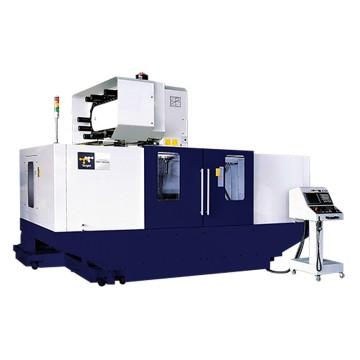
The Tongtai VC-610 incorporates several key features that enhance its performance in large-mold machining. These features include advanced machining technology, enhanced tooling capabilities, and a user-friendly interface.
Advanced Machining Technology
The VC-610 utilizes cutting-edge machining technology to improve surface finish quality and overall precision. One notable aspect is its advanced oil-air spindle, which operates at speeds ranging from 12,000 to 20,000 rpm. This spindle design minimizes heat generation, reducing the risk of thermal warping during long machining runs. As a result, manufacturers can achieve superior surface finishes on large molds.
The following table illustrates how different rake angles and laser power settings affect surface roughness:
| Rake Angle | Laser Power (W) | Surface Roughness (nm) | Improvement (%) |
|---|---|---|---|
| -25° | 20 | 3.8 | 60 |
| -45° | 20 | 9.78 | N/A |
| N/A | 30 | 25.4 | N/A |
This data highlights the VC-610's ability to significantly enhance surface finish quality, making it an ideal choice for manufacturers focused on precision.
Enhanced Tooling Capabilities
The VC-610 features a BBT-40 dual contact tool holder, which provides exceptional tool stability during high-speed cutting operations. This innovative design minimizes runout, ensuring that every cut is executed with precision. The machine's large worktable, measuring 1100×650 mm, supports a maximum load of 800 kg. This capability allows for one-time clamping of large workpieces, eliminating the need for multiple setups that can introduce errors.
Additionally, the VC-610's extended X-axis travel of 1050 mm enables it to handle full-mold machining effectively. This feature is particularly beneficial for processing long molds, such as those used in refrigerator doors, where maintaining integrity is crucial.
User-Friendly Interface
The VC-610 boasts a user-friendly interface that simplifies operation and enhances productivity. Operators can easily navigate the machine's features, reducing the learning curve for new users. The intuitive controls allow for quick adjustments and real-time monitoring of machining processes. This ease of use contributes to increased efficiency and minimizes the likelihood of operator errors.
Real-World Applications
Automotive Industry
The automotive industry greatly benefits from the Tongtai VC-610. This machine excels in producing large molds for components like bumpers and fenders. Manufacturers appreciate the VC-610's precision, which ensures that every part meets strict OEM specifications. The ability to handle large workpieces in one setup reduces the risk of errors and enhances production efficiency.
Aerospace Components
In the aerospace sector, the VC-610 plays a crucial role in crafting complex molds for aircraft components. The machine's advanced spindle technology minimizes heat generation, which is vital for maintaining the integrity of lightweight materials used in aviation. Manufacturers rely on the VC-610 to produce high-quality molds that meet rigorous safety and performance standards.
Consumer Goods
The consumer goods industry also reaps the rewards of the VC-610's capabilities. This machine efficiently produces molds for items such as appliance shells and packaging components. Its large worktable allows for the creation of intricate designs without the need for multiple setups. As a result, manufacturers can deliver products faster while maintaining high quality.
Key Benefits of the VC-610 in Various Industries:
- Precision: Ensures accurate mold dimensions.
- Efficiency: Reduces setup time and increases production speed.
- Versatility: Adapts to various applications across industries.
The VC-610's innovative features make it an invaluable asset in these sectors, driving advancements in large-mold machining.
VC-610 vs. Traditional Methods
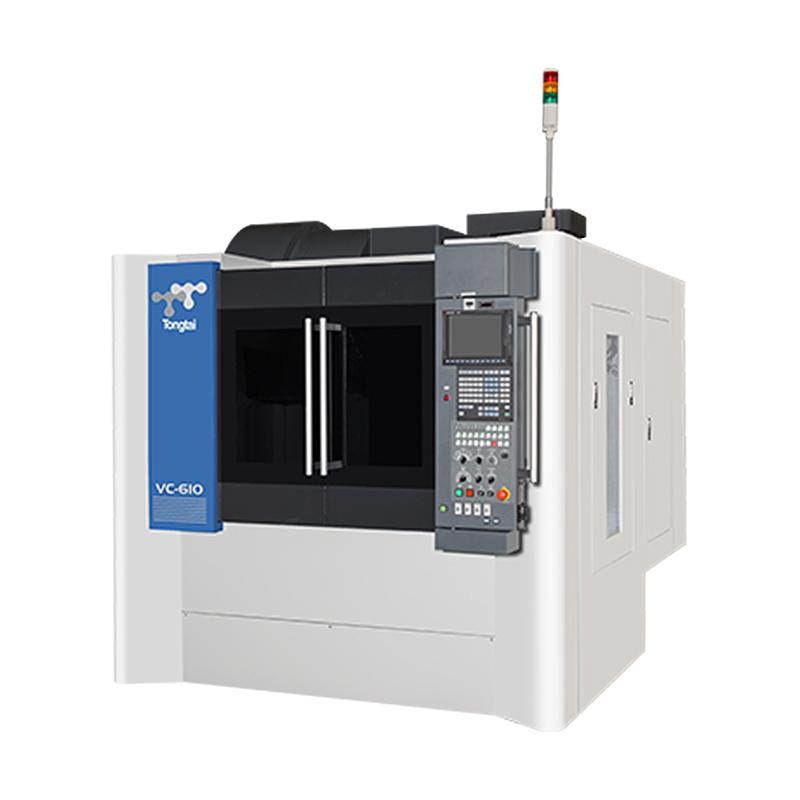
Speed and Efficiency
The VC-610 significantly outpaces traditional machining methods. Its advanced spindle technology allows for high-speed operations, reaching up to 20,000 rpm. This capability reduces cycle times and enhances overall productivity. Traditional machines often struggle with longer setup times and slower processing speeds, leading to delays in production.
Cost-Effectiveness
Cost management becomes easier with the VC-610. The machine cuts setup time by 40%, allowing manufacturers to allocate resources more efficiently. Traditional methods often require multiple setups, increasing labor costs and material waste. By minimizing rework and maximizing output, the VC-610 provides a more cost-effective solution for large-mold machining.
| Aspect | VC-610 | Traditional Methods |
|---|---|---|
| Setup Time | Reduced by 40% | Longer, multiple setups |
| Labor Costs | Lower due to efficiency | Higher due to delays |
| Material Waste | Minimal | Often significant |
Quality of Output
The VC-610 excels in producing high-quality molds. Its BBT-40 dual contact tool holder ensures precision during high-speed cutting, reducing runout. Traditional methods may struggle with maintaining consistent quality, often resulting in defects and the need for rework. The VC-610's ability to maintain tight tolerances ensures that manufacturers meet stringent OEM specifications.
Key Takeaway: The VC-610 not only enhances speed and efficiency but also offers significant cost savings and superior quality compared to traditional machining methods. This makes it an invaluable asset in the competitive landscape of large-mold machining.
The VC-610 significantly enhances large-mold machining. This vertical machining center sets a new standard for precision and efficiency. Manufacturers benefit from reduced setup times and minimized rework costs. Overall, the VC-610 proves essential for achieving high-quality results in the competitive tooling industry.
FAQ
What types of molds can the VC-610 produce?
The VC-610 efficiently produces molds for automotive parts, aerospace components, and consumer goods.
How does the VC-610 improve machining precision?
The VC-610 features a BBT-40 dual contact tool holder, which minimizes runout and enhances cutting accuracy.
What is the maximum load capacity of the VC-610's worktable?
The VC-610's worktable can support a maximum load of 800 kg, allowing for large workpieces to be machined in one setup.