



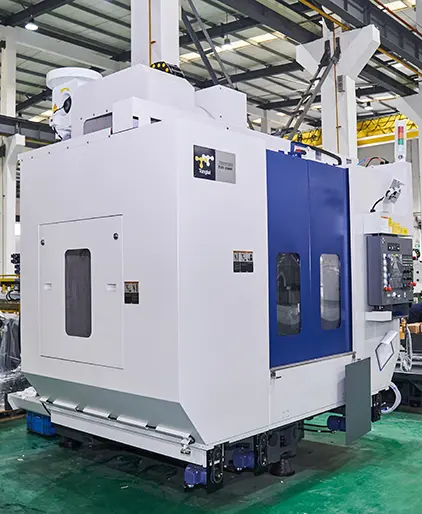
How Do Vertical and Horizontal Machining Centers Impact Production Efficiency

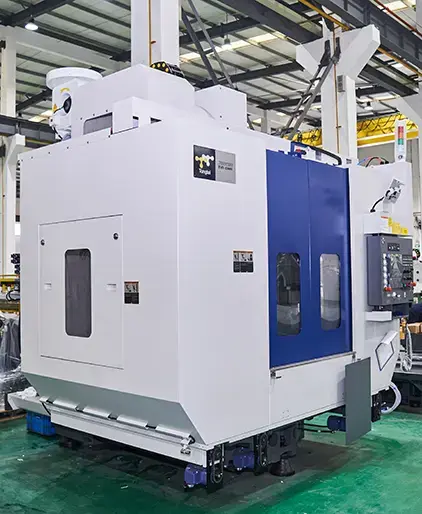
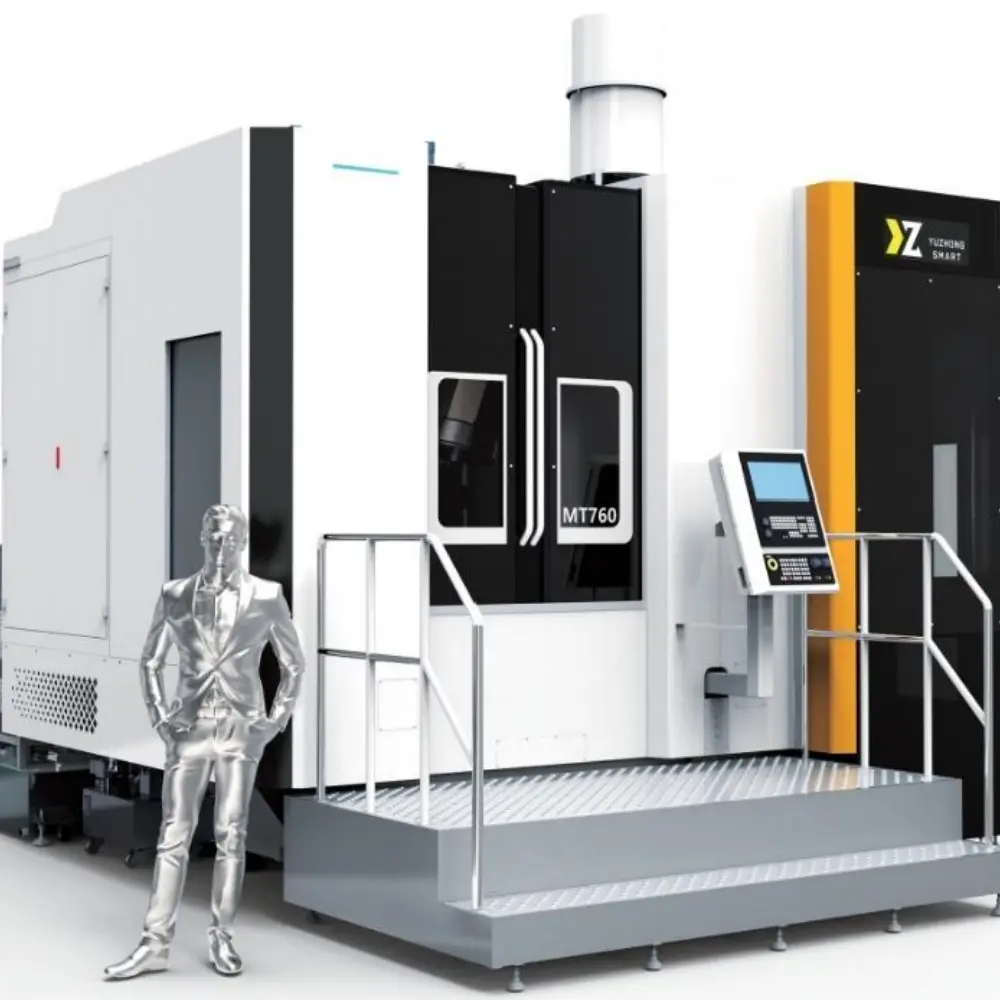
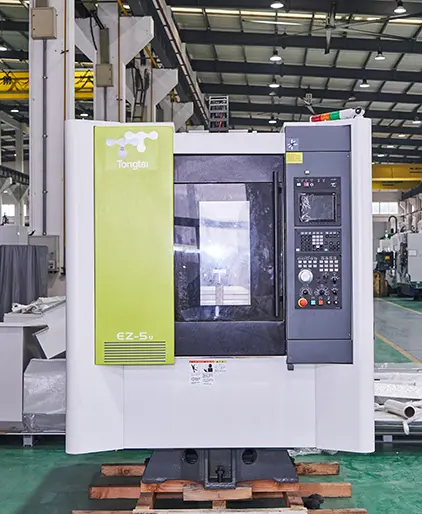
The choice between vertical and horizontal machining centers significantly influences production efficiency. Our Vertical Machining Center excels in precision tasks, making it suitable for intricate components. In contrast,CNC vertical machining centers thrive in high-volume production, efficiently handling larger parts. This distinction shapes manufacturing processes across various industries, particularly with the use of a high-precision vertical machining center, which ensures optimal results. For more information, visit https://site_bc59f26a-0d80-437a-8b24-24d9369a1625/tmv-720a-product/.
Vertical Machining Center Overview
Initial Costs
When considering the initial costs of a Vertical Machining Center (VMC), manufacturers often find them to be lower compared to horizontal counterparts. The following table illustrates this comparison:
| Type of Machining Center | Initial Costs | Suitability |
|---|---|---|
| Vertical Machining Center | Lower | Smaller shops or budget constraints |
| Horizontal Machining Center | Higher | Larger operations or complex setups |
Operational Costs
Over a five-year period, operational costs for VMCs can be significantly lower. The table below highlights the differences:
| Cost Type | Vertical Machining Center (VMC) | Horizontal Machining Center (HMC) |
|---|---|---|
| Monthly Financing Cost | $2,400 | $4,800 |
| Monthly Labor Cost | $12,000 | $0 (equivalent work of 3 VMCs) |
| Total Monthly Cost | $14,400 | $4,800 |
| Monthly Savings | N/A | $7,200 (after financing cost) |
Labor Efficiency
Vertical Machining Centers enhance labor efficiency, especially in small-scale manufacturing. The following table summarizes key features that contribute to this efficiency:
| Key Features of FMS in Small-Scale Industries | Impact on Labor Efficiency |
|---|---|
| Shorter product development and manufacturing lead time | Increases overall efficiency |
| Best quality and flexibility | Enhances competitiveness |
| Team-based work union | Improves collaboration and productivity |
| Short setup/changeover time | Reduces idle machine time |
| Multi-functional labor | Optimizes labor utilization |
Production Suitability
VMCs are particularly suitable for various types of production. The table below outlines their ideal applications:
| Type of Production | Description |
|---|---|
| Parts With Unusual Shapes | Suitable for complex components requiring multi-point mixed processing. |
| Box-Type Parts | Common in automotive and aerospace, allowing for high efficiency in machining with one-time clamping. |
| Complex Parts With Plenty of Curves | Ideal for aviation and transportation components, enabling high precision in creating curved parts. |
| New Parts in Trial Production | Offers flexibility for small batch production and new product trials, reducing preparation cycles. |
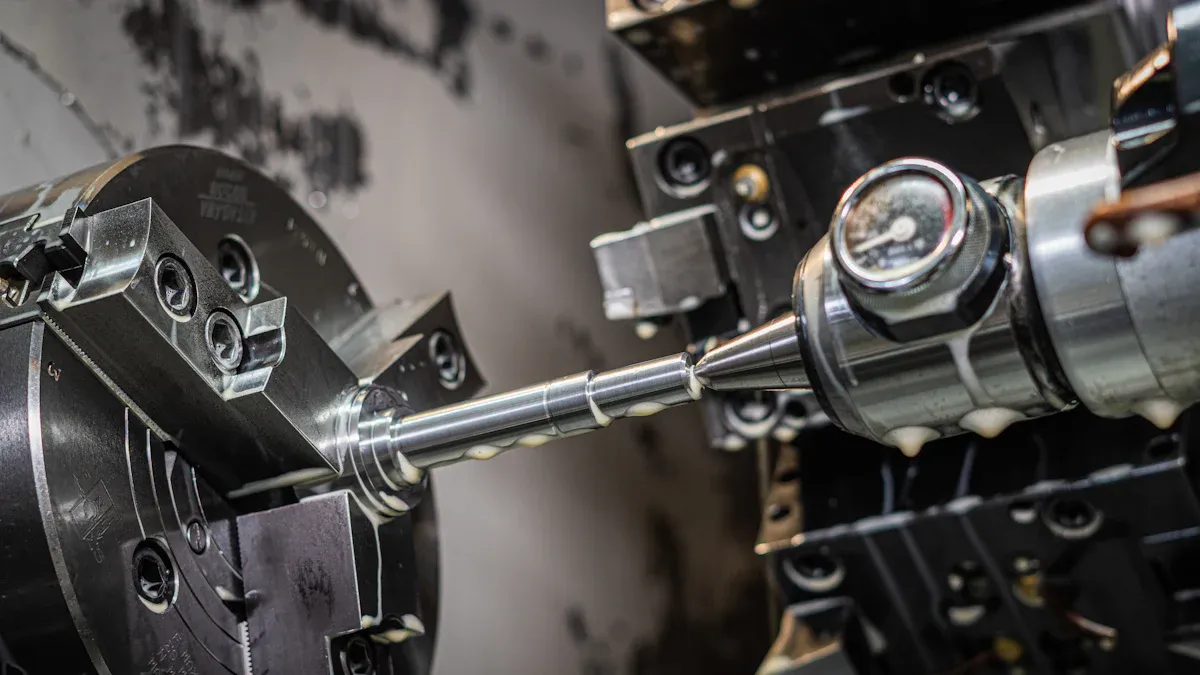
Horizontal Machining Center Overview
Initial Costs
Horizontal Machining Centers (HMCs) typically have higher initial costs compared to Vertical Machining Centers (VMCs). On average, HMCs cost around $375,000. Despite the higher upfront investment, many manufacturers find that HMCs can lead to lower costs per part due to reduced handling and setup times. The productivity achieved with HMCs often results in a larger and faster return on investment.
Operational Costs
The operational costs of HMCs differ significantly from those of VMCs, especially in high-volume production environments. The following table summarizes these differences:
| Aspect | Horizontal Machining Centers (HMCs) | Vertical Machining Centers (VMCs) |
|---|---|---|
| Initial Investment | Higher due to complexity | Lower, simpler design |
| Maintenance | Generally higher due to complexity | Lower, easier to maintain |
| Setup Time | Reduced due to multi-face machining | Longer due to single face setups |
| Production Efficiency | Higher output in long runs | Generally faster for simpler parts |
HMCs excel at working on multiple faces of a workpiece in a single setup, which reduces cycle times and increases throughput.
Labor Efficiency
HMCs significantly improve labor efficiency in large-scale manufacturing. Automation and robotics are increasingly integrated with horizontal milling machines to boost productivity. These systems allow for continuous production cycles without human intervention. Collaborative robots (cobots) handle repetitive tasks, reducing human error and labor costs. John McDonald, an executive vice president, notes that HMCs are designed for heavy cutting and high accuracy, enabling customers to achieve high productivity through automation.
Production Suitability
HMCs are particularly well-suited for various production scenarios, including:
- Large Part Production: Efficiently machines large and heavy components.
- Complex Geometries: Excels at handling intricate designs due to multi-axis capabilities.
- High Volume Production: Equipped with automatic tool changers and pallet systems for continuous production.
- Automotive Industry: Commonly used for engine blocks and transmission cases.
- Aerospace: Ideal for manufacturing structural components and turbine blades.
HMCs also perform multiple tasks, such as milling, drilling, tapping, and boring, in a single setup, which reduces downtime and enhances precision.
Production Efficiency Comparison
Speed of Production
Speed of production plays a crucial role in determining the overall efficiency of machining centers. Horizontal Machining Centers (HMCs) typically outperform Vertical Machining Centers (VMCs) in this area. A comparative study reveals that HMCs achieve an average spindle run time of 85%, while VMCs only reach 25%. This significant difference highlights the ability of HMCs to maintain continuous operation, which is essential for high-volume production environments.
| Metric | VMC Utilization | HMC Utilization |
|---|---|---|
| Average Spindle Run Time | 25% | 85% |
Setup Time
Setup time directly impacts production efficiency. VMCs generally offer quicker setup times, making them ideal for smaller production runs and prototyping. In contrast, HMCs require longer setup times due to their complexity and the need for precise alignment. However, once set up, HMCs excel in high-volume production, allowing manufacturers to benefit from reduced cycle times over extended runs.
- Vertical Machining Centers (VMCs) are more flexible for smaller production runs and prototyping due to quicker setup times.
- Horizontal Machining Centers (HMCs) are better for high-volume production, handling larger workpieces efficiently but with longer setup times.
- VMCs are ideal for operations requiring frequent setup changes, while HMCs excel in complex production environments.
Maintenance Requirements
Maintenance is vital for ensuring optimal performance in both VMCs and HMCs. Regular maintenance helps prevent issues such as vibrations, tool wear, and misalignment. For VMCs, this includes cleaning and lubricating components, periodic calibration, and checking for misalignment. Neglecting these tasks can lead to decreased efficiency and increased downtime.
Common maintenance challenges for VMCs include:
- Vibrations
- Tool wear
- Misalignment
- Need for regular maintenance
For HMCs, maintenance also involves managing chip accumulation, which can affect surface finish and tool life if not addressed properly.
- Chips can accumulate on the workpiece and tooling.
- This accumulation affects surface finish and impacts tool life if not managed properly.
Flexibility in Production Runs
Flexibility in production runs is another critical factor influencing efficiency. VMCs provide greater adaptability for smaller production runs and prototyping. Their quicker setup times allow manufacturers to pivot between different tasks with ease. Conversely, HMCs excel in high-volume production scenarios, efficiently handling larger workpieces but requiring more time to set up.
The flexibility comparison can be summarized as follows:
- VMCs are ideal for operations requiring frequent setup changes.
- HMCs excel in complex production environments, particularly for high-volume runs.
Cost Analysis of Machining Centers
Capital Investment
Capital investment represents a significant factor when selecting between vertical and horizontal machining centers. The initial costs can vary widely based on the type and features of the machines. For instance, a fully-optioned five-axis horizontal machining center can cost between $800,000 and $2 million. Additionally, service contracts typically add 8-12% to yearly expenses. Software updates and calibration can also lead to machine idling for up to 15% of productive hours.
In contrast, a mid-range five-axis vertical machining center generally ranges from $300,000 to $500,000. High-end models designed for aerospace applications can exceed $1 million. Furthermore, peripheral equipment can increase the total investment by 20-30%. A typical six-axis Cnc Machining Center falls within the range of$200,000 to $1,000,000.
Long-term Operational Costs
Long-term operational costs play a crucial role in determining the overall financial viability of machining centers. Horizontal machining centers (HMCs) often incur higher initial costs than vertical machining centers (VMCs). Additional investments in computers, software, and tool management systems are frequently necessary for HMCs to achieve optimal productivity. However, the long-term productivity gains from HMCs can offset these initial higher costs. Careful cash flow management remains essential to maximize returns.
In the aerospace manufacturing sector, operational costs for VMCs tend to be lower over time. The simplicity of their design often leads to reduced maintenance and operational expenses. This efficiency can significantly impact the overall cost-effectiveness of using VMCs for smaller production runs.
Return on Investment
Return on investment (ROI) is a critical metric for evaluating the effectiveness of machining centers over time. A comparative analysis reveals that HMCs generally provide a higher ROI than VMCs. The following table summarizes key metrics related to ROI for both types of machining centers:
| Metric | HMCs | VMCs |
|---|---|---|
| Spindle Utilization Rate | 85% | 25% |
| Additional Productivity | 24 hours per week | N/A |
| Annual Contribution to ROI | $156,000 | N/A |
Factors affecting ROI include machine utilization, operational costs, and lifecycle costs. A 5% increase in utilization can lead to significant additional profit without incurring extra costs. Improved utilization reduces downtime and maintenance costs, enhancing overall ROI. Therefore, manufacturers must carefully budget their initial investments while balancing features and costs to maximize returns.
Labor Considerations in Machining
Skill Requirements
Operators of machining centers must possess specific skills to ensure efficient operation. The skill requirements differ between Vertical Machining Centers (VMCs) and Horizontal Machining Centers (HMCs).
- Operating HMCs requires a higher skill level due to their complexity.
- HMCs necessitate comprehensive training in CNC programming, machine setup, and maintenance procedures.
- VMCs are generally simpler to operate, making them more accessible for operators with less training.
Workforce Training
Workforce training programs play a crucial role in preparing operators for their roles. These programs often include hands-on experience with both types of machining centers.
- First-year students in the CNC Machining program work with both horizontal and vertical mills, gaining practical skills.
- The Machining Technologies certificate program focuses on skills like blueprint reading and inspection techniques.
- The CNC Machining A.A.S. program prepares students to operate both vertical and horizontal mills, emphasizing practical skills across various machining processes.
Labor Costs
Labor costs significantly impact the overall efficiency of machining operations. The following table summarizes the average labor costs associated with operating VMCs and HMCs in North America:
| Machine Type | Monthly Finance Payment | Monthly Labor Cost | Productivity Ratio |
|---|---|---|---|
| Horizontal Machining Center (HMC) | Higher ($4,800 more than VMC) | Lower ($7,200 less than VMC) | 3 times the work of VMC |
HMCs, while having higher monthly finance payments, demonstrate a productivity ratio that can justify the investment. Understanding these labor considerations helps manufacturers optimize their operations and workforce management.
Vertical machining centers excel in precision tasks and smaller production runs. In contrast, horizontal centers are ideal for large-scale production. Manufacturers should align their choice of machining centers with specific production needs. Evaluating costs, labor, and production requirements is essential for maximizing efficiency and achieving optimal results.
FAQ
What are the main differences between vertical and horizontal machining centers?
Vertical machining centers excel in precision and smaller runs, while horizontal machining centers are better for high-volume production and larger components.
How do initial costs compare between VMCs and HMCs?
Vertical machining centers typically have lower initial costs than horizontal machining centers, making them more accessible for smaller operations.
Which machining center is more labor-efficient?
Horizontal machining centers improve labor efficiency in large-scale production due to automation, while vertical machining centers are efficient for smaller, intricate tasks.