What is a Vertical Turning Center and How Can It Benefit You?
In the world of modern manufacturing, efficiency and precision are paramount. A Vertical Turning Center (VTC) stands out as a transformative tool in machining operations. This equipment offers substantial advantages over traditional methods. By integrating vertical turning capabilities, it enhances the accuracy of machined parts. However, not all facilities leverage its full potential.
The design of a Vertical Turning Center allows for better visibility and accessibility during the machining process. Operators can easily monitor and adjust the workflow. This visibility leads to reduced errors and improved quality. Yet, some industries may hesitate to adopt this technology due to perceived complexity or high initial investments.
Embracing a Vertical Turning Center may require rethinking established practices. Companies must weigh the benefits against the changes in workflow. Adopting this technology can often lead to significant long-term gains. Ultimately, the decision rests on a balance of immediate challenges versus future efficiency.
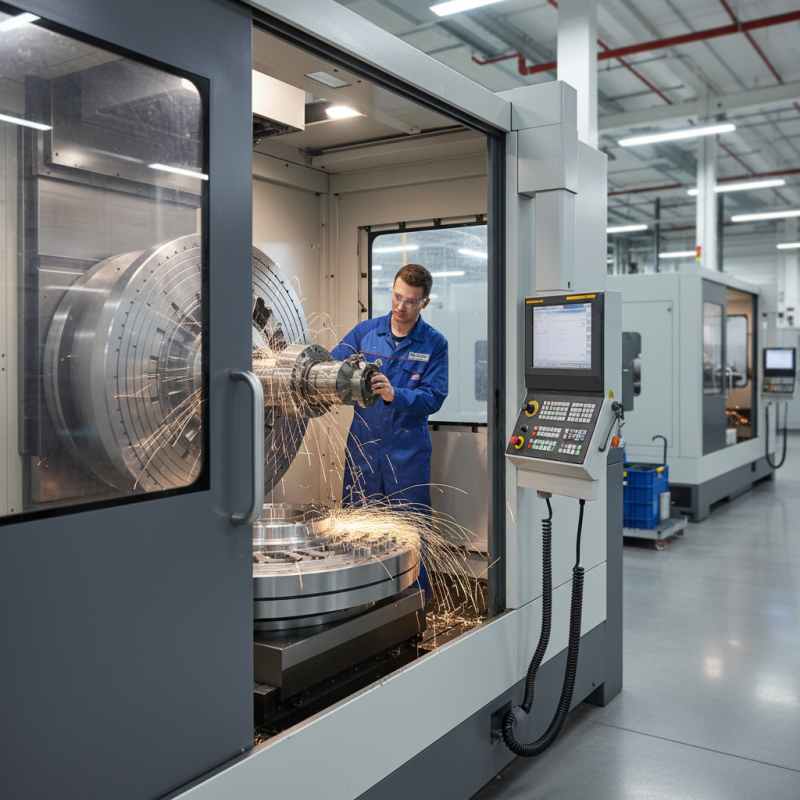
What is a Vertical Turning Center?
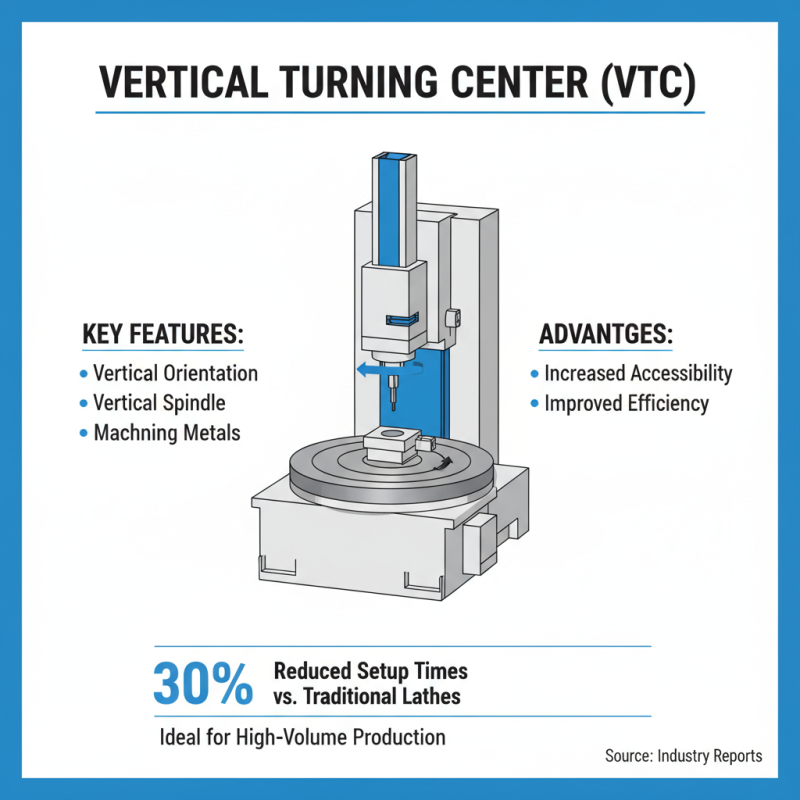
A Vertical Turning Center (VTC) is a specialized machine tool designed for machining operations on various materials, primarily metals. It is known for its vertical orientation, where the spindle is positioned vertically. This design provides several advantages in terms of accessibility and efficiency. According to industry reports, VTCs can reduce setup times by 30% compared to traditional lathes, making them valuable in high-volume production environments.
VTCs excel in working with large parts due to their robust construction and ability to handle heavy workpieces. This allows for more complex machining tasks, such as drilling and milling, without the need for multiple setups. A recent study found that manufacturers who switched to VTCs reported a 25% increase in production efficiency. However, adopting a VTC can require a significant investment, and not all operations may see immediate benefits.
Additionally, operators need specialized training to maximize the machine's capabilities. Mistakes in programming or tool selection could lead to costly errors. The machinery also demands regular maintenance to ensure optimal performance. Companies must weigh these considerations against the potential for enhanced productivity and precision. Understanding both the advantages and challenges is essential for informed decision-making in machining operations.
Key Features of Vertical Turning Centers
Vertical Turning Centers (VTCs) are becoming essential in modern manufacturing. These machines are specifically designed for machining large and heavy workpieces. Unlike traditional lathes, VTCs operate on a vertical axis, allowing gravity to assist in the machining process. This design effectively reduces the risk of tool deflection. In fact, industry reports suggest that VTCs can increase machining efficiency by up to 30%.
One of the key features of Vertical Turning Centers is their compact footprint. This design allows manufacturers to save valuable floor space. They typically come equipped with advanced CNC technology for precise control. Reports indicate that CNC machines improve production accuracy by 50%. VTCs are also known for their rigid structure, which enhances stability during operations. This leads to longer tool life and reduced maintenance costs.
However, transitioning to VTCs might pose challenges. Operators need training to master these sophisticated machines. There may also be upfront costs associated with acquiring new equipment. Despite these hurdles, the long-term benefits typically outweigh the initial investment. Improved speed and enhanced accuracy can lead to substantial savings over time. Nonetheless, businesses should evaluate their specific needs before making a decision.
Benefits of Using a Vertical Turning Center in Manufacturing
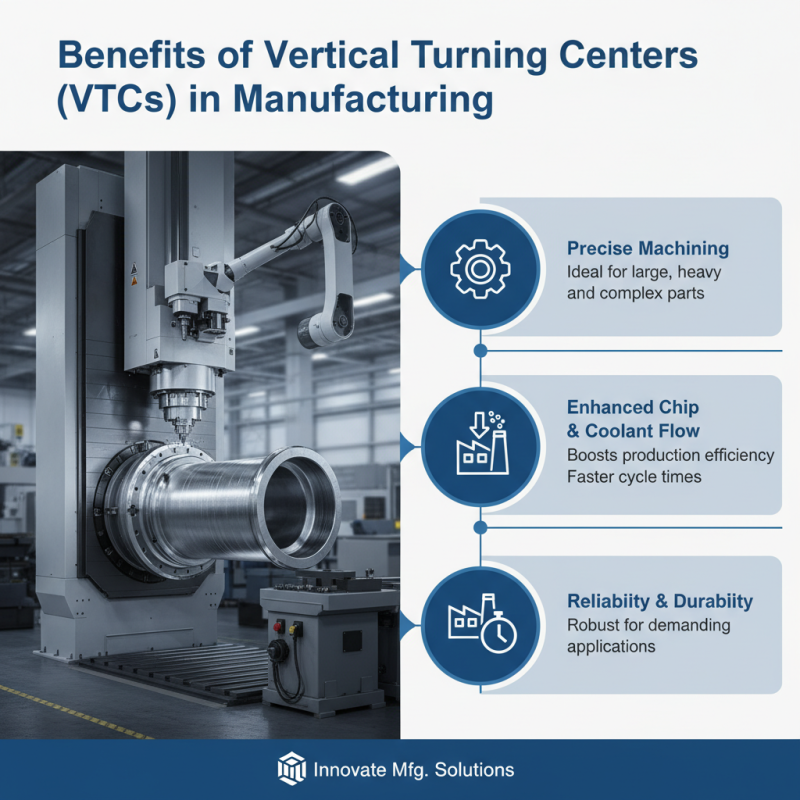
Vertical turning centers (VTCs) offer significant advantages in manufacturing. These machines are designed for precise and efficient machining of large and heavy parts. Their vertical orientation allows for improved chip removal and coolant flow, which enhances production efficiency. This design is particularly beneficial for industries that handle complex components.
One major benefit of VTCs is increased stability during the machining process. The vertical setup minimizes vibrations, resulting in higher precision in the finished product. Operators often report fewer rework cycles, which ultimately saves time and resources.
Tips: When planning to invest in a vertical turning center, consider your specific production needs. Evaluate the types of materials you work with. Another suggestion is to train your team adequately. Skilled operators can maximize the machine's capabilities, leading to better outcomes. Reflect on your current setup. Could a VTC streamline your operations, or is your current equipment sufficient?
Applications of Vertical Turning Centers Across Industries
Vertical turning centers are versatile machines that play a crucial role in various industries. They are particularly effective for machining large, heavy components. Industries such as aerospace, automotive, and energy manufacturing rely on these machines for precision and efficiency. The vertical design allows operators to load parts easily and enhances chip removal during cutting, improving overall productivity.
In the aerospace sector, vertical turning centers are essential for crafting complex components. These machines excel in producing intricate shapes and maintaining tight tolerances. Similarly, the automotive industry benefits from their ability to handle heavy materials with ease. The reliability of these machines can lead to reduced downtime, though regular maintenance is necessary to maintain peak performance.
Tips: When using vertical turning centers, always ensure proper calibration. This can dramatically enhance machining accuracy. Additionally, train operators thoroughly to maximize productivity. Remember, investing time in training can reduce errors and wastage. For optimal results, conduct routine inspections to catch potential issues early.
What is a Vertical Turning Center and How Can It Benefit You? - Applications of Vertical Turning Centers Across Industries
| Industry |
Application |
Benefits |
| Automotive |
Machining engine blocks |
High precision and reduced cycle time |
| Aerospace |
Manufacturing turbine casings |
Enhanced structural integrity and weight reduction |
| Medical |
Producing surgical instruments |
Sterile production and precision finish |
| Energy |
Fabricating components for turbines |
Improved durability and efficiency |
| Heavy Equipment |
Manufacturing large parts like gears |
Ability to handle heavy workloads and complex geometries |
Comparing Vertical Turning Centers to Horizontal Turning Centers
When comparing vertical turning centers to their horizontal counterparts, several factors come into play. Vertical turning centers utilize a unique design where the spindle is oriented vertically. This allows for efficient chip removal and better visibility during machining. Users often find that this configuration helps in reducing setup times and increasing accuracy.
In contrast, horizontal turning centers require more floor space. Their design accommodates longer components better. However, this can lead to complications in chip management. Users may experience increased downtime due to the need for extra cleanup and maintenance. Additionally, horizontal centers might not be as effective for shorter, heavier workpieces. The vertical design, while not suitable for all applications, shines in specific scenarios.
There are limitations to consider with vertical turning centers. Not every component can be machined using this technology. Some industries may find horizontal turning centers offer better support. Each option has unique strengths and weaknesses. It’s essential to assess your specific needs before committing to either type.
Comparison of Vertical Turning Centers and Horizontal Turning Centers