Top Vertical Milling Center Features and Benefits Explained?
In the competitive landscape of manufacturing, the **Vertical Milling Center** stands out as a pivotal asset. According to the latest report from TechNavio, the global vertical milling machine market is expected to grow by 5% annually through 2026. This growth highlights the importance of understanding the essential features and benefits of these machines.
Industry expert Dr. Helen Scott states, "The **Vertical Milling Center** revolutionizes precision manufacturing with versatile applications." These machines simplify complex processes. They are capable of creating intricate designs in various materials, saving time and enhancing productivity.
Despite their advantages, not all vertical milling centers are created equal. Companies must assess the specific needs of their operations. Some features may not suit every application. Proper evaluation ensures that manufacturers choose machinery that aligns with their production goals. A thoughtful selection process can minimize costly mistakes in the long run.
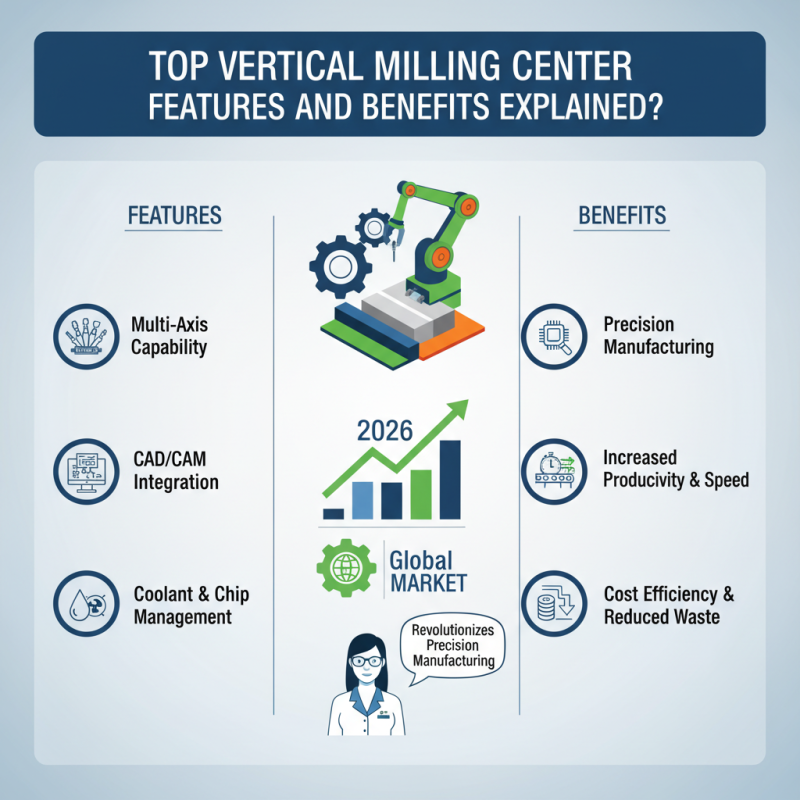
Key Features of Top Vertical Milling Centers
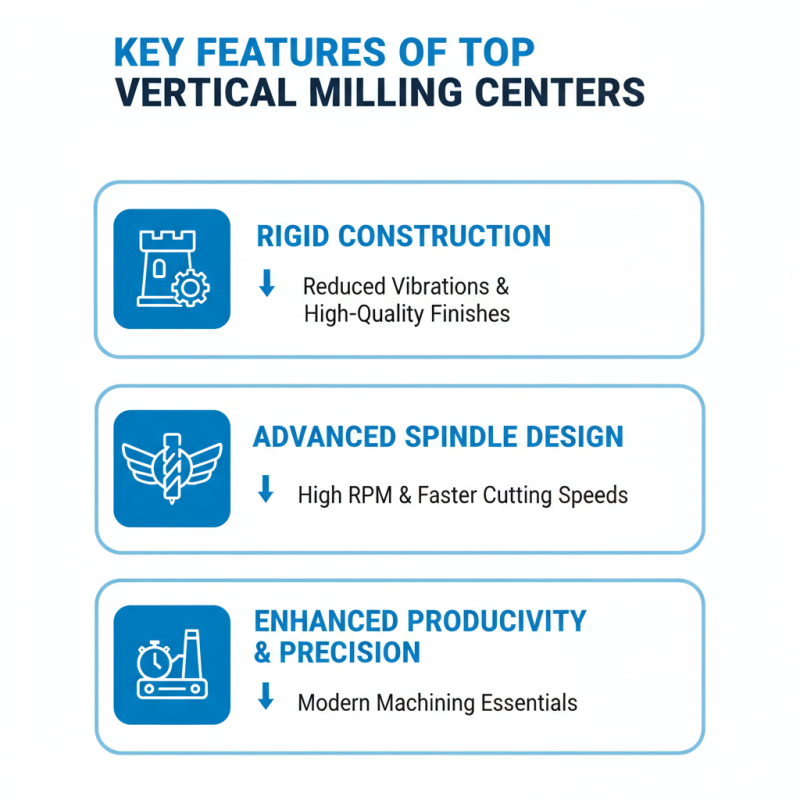
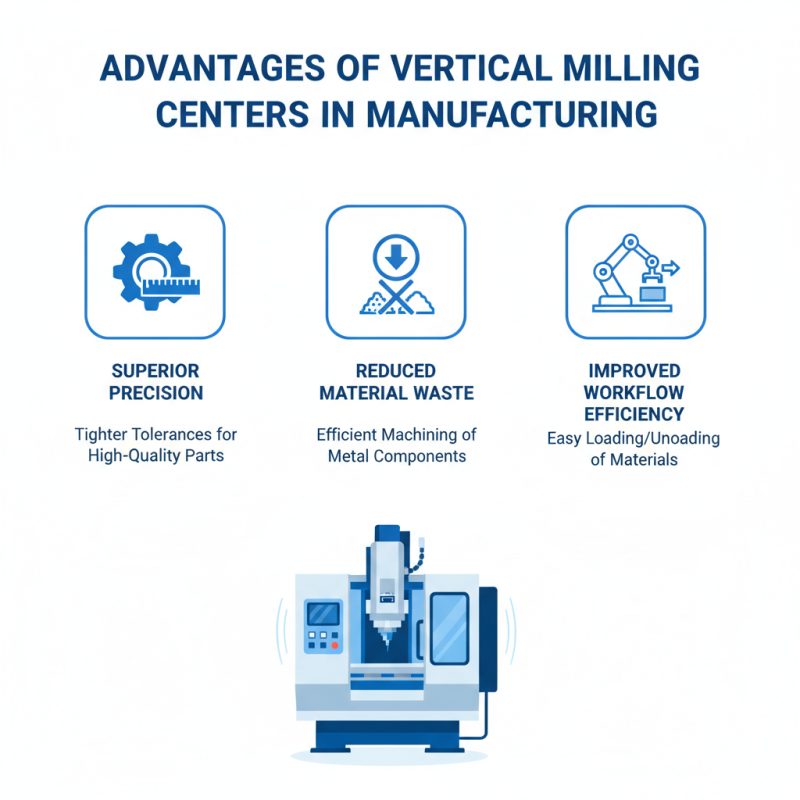
Vertical milling centers are essential in modern machining. They come with several key features that enhance productivity and precision. One major feature is the rigid construction of the machine, which reduces vibrations. This stability is crucial for achieving high-quality finishes. Moreover, many centers include advanced spindle design. The high RPM capabilities allow for faster cutting speeds. This leads to improved efficiency in production.
Another important aspect is the user-friendly CNC interface. Operators can easily program complex tasks. This ease of use can result in shorter training times for new staff. Integrating automation features, such as tool changers, further boosts productivity. However, not all machines are created equal. Some may lack adequate support or documentation, which can be frustrating.
Additionally, maintenance plays a critical role in machine longevity. Regular checks can prevent unexpected breakdowns. Yet, some operators may overlook this aspect. The presence of integrated cooling systems can aid in this regard. But if improperly managed, they can cause issues like chip buildup. Overall, understanding these features helps optimize the use of vertical milling centers.
Comparative Analysis: Vertical vs. Horizontal Milling Centers
When comparing vertical and horizontal milling centers, it's essential to examine their strengths and weaknesses. Vertical milling machines are versatile and allow for easier access to the workpiece. They are ideal for jobs that require detailed, intricate work. The spindle can be moved up and down, providing flexibility. However, they may not handle large, heavy parts as effectively.
On the other hand, horizontal milling centers excel in cutting efficiency. They feature a horizontal spindle, which allows for heavier cuts. This can be advantageous for large projects or materials that require significant removal. Yet, their setup can be more complex and may require additional tools. Some operators find this challenging, especially if they're accustomed to vertical mills.
Ultimately, choosing between the two types depends on the specific needs of a project. Each machine has its advantages and potential drawbacks. An operator may need to reflect on their experience and the nature of the tasks at hand. Understanding these differences can lead to more informed decisions that enhance productivity.
Applications of Vertical Milling Centers in Various Industries
Vertical milling centers are versatile tools used across various industries. In automotive manufacturing, these machines are crucial for creating precise engine components. They handle complex shapes with ease, reducing the need for extra steps. This efficiency is vital in meeting tight deadlines.
In the aerospace sector, precision is critical. Vertical milling centers ensure that components meet strict specifications. With the capability to machine intricate parts, they minimize the risk of errors. However, the initial cost can be a concern for smaller manufacturers. They must weigh the benefits against their budgets.
The medical industry also relies on vertical mills for custom components. These machines can produce bespoke tools and implants with high accuracy. But training staff on these systems can take time. This learning curve might delay production, but the quality improvement is often worth it. Many facilities face challenges with the integration of new technology. Adjusting workflows can be daunting, yet the long-term gains in efficiency are significant.
Top Vertical Milling Center Features and Benefits Explained
| Feature |
Description |
Benefits |
Applications |
| High Precision |
Enhances accuracy through advanced control systems. |
Improves product quality and reduces waste. |
Aerospace and medical parts manufacturing. |
| Versatile Tooling |
Supports a wide range of cutting tools. |
Allows for diverse machining operations. |
Automotive and general manufacturing. |
| User-Friendly Interface |
Intuitive control software for easy operations. |
Reduces training time and increases productivity. |
Small manufacturing shops and prototyping. |
| Automatic Tool Change |
Automates the process of tool swapping. |
Enhances efficiency and reduces downtime. |
Complex component fabrication. |
| Robust Construction |
Built with strong materials to handle heavy workloads. |
Increases durability and extends equipment lifespan. |
Heavy industries like mining and energy. |
Maintenance Tips for Optimal Performance of Milling Centers
Maintaining a vertical milling center is crucial for performance and longevity. Regular maintenance can enhance both precision and efficiency. According to industry reports, up to 35% of machine downtime is related to improper maintenance. This underscores the importance of adhering to a solid maintenance schedule.
Routine checks should include lubrication of moving parts. Proper lubrication reduces friction and avoids overheating. Neglecting this can lead to significant wear and tear. Additionally, cleanliness is vital. Dirt and chips can accumulate, affecting the machine's performance. Regular cleaning can prevent this issue and prolong the life of the equipment.
Operator training is another key factor. Skilled operators are more likely to notice subtle shifts in performance. They can adjust settings accordingly. Poorly trained staff might overlook critical issues. Integrating feedback loops can also help refine maintenance procedures. It’s essential to document what works and what doesn’t. Alternative approaches may yield better outcomes over time.
Top Vertical Milling Center Features and Benefits
The bar chart above illustrates the importance of various features of vertical milling centers. Precision ranks highest with a score of 9, indicating a critical attribute for optimal performance. Speed and versatility follow closely behind, highlighting their essential roles in efficient milling operations. Ease of maintenance, while still important, is rated lower, suggesting that while beneficial, it is less crucial compared to other features.