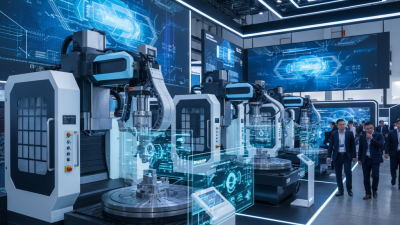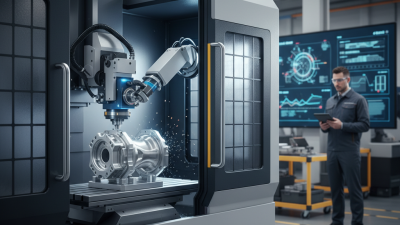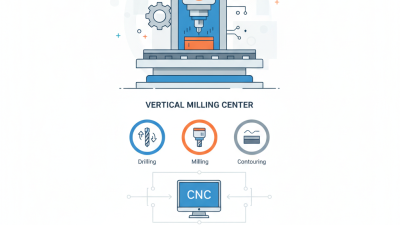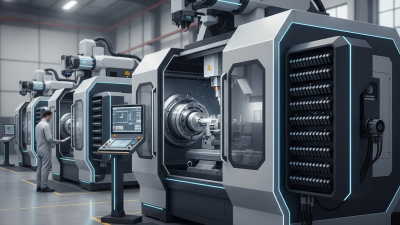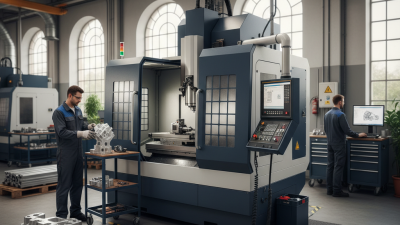
A Vertical Milling Center is a vital tool in modern machining. It combines advanced technology with versatility. The machine can perform various tasks, including drilling, milling, and contouring.
Understanding how a Vertical Milling Center operates is crucial for engineers and machinists. These centers use vertical spindles to hold tools. This setup allows for precision cuts and detailed work on materials like metal and plastic. The integration of computer numerical control (CNC) significantly enhances accuracy. However, mastering this technology is not always straightforward.
While the capabilities are impressive, operators may face challenges. Calibration issues can lead to errors. Additionally, not all users fully grasp the complex software involved. Despite these hurdles, a Vertical Milling Center remains a powerful asset in machining.
A vertical milling center is a vital machine in modern manufacturing. It is designed to perform various machining processes. The primary function of a vertical milling center is to shape and cut materials. It uses rotating cutting tools that move vertically. This allows for precise machining on a workpiece held in place.
Typically, vertical milling centers feature a spindle that moves up and down. This movement enables the machine to achieve different depths of cuts. Operators can adjust the speed of the spindle for different materials. This versatility enhances productivity and improves overall efficiency. Customizing tool selection is also crucial. Not all tools work for every material. Choosing the right tool requires skill and knowledge.
However, using a vertical milling center is not without challenges. Misalignments can lead to errors in machining. Regular maintenance is necessary to prevent mechanical failures. Operators sometimes overlook the importance of routine checks. This can result in costly mistakes. Understanding the capabilities and limits of the machine is essential. Otherwise, potential issues may not be identified until it’s too late.
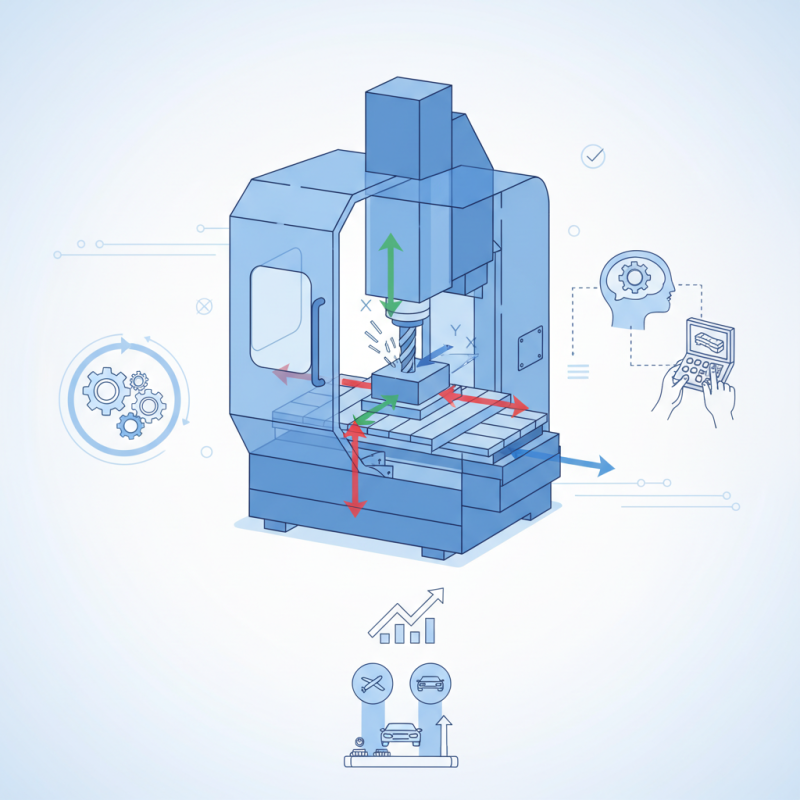
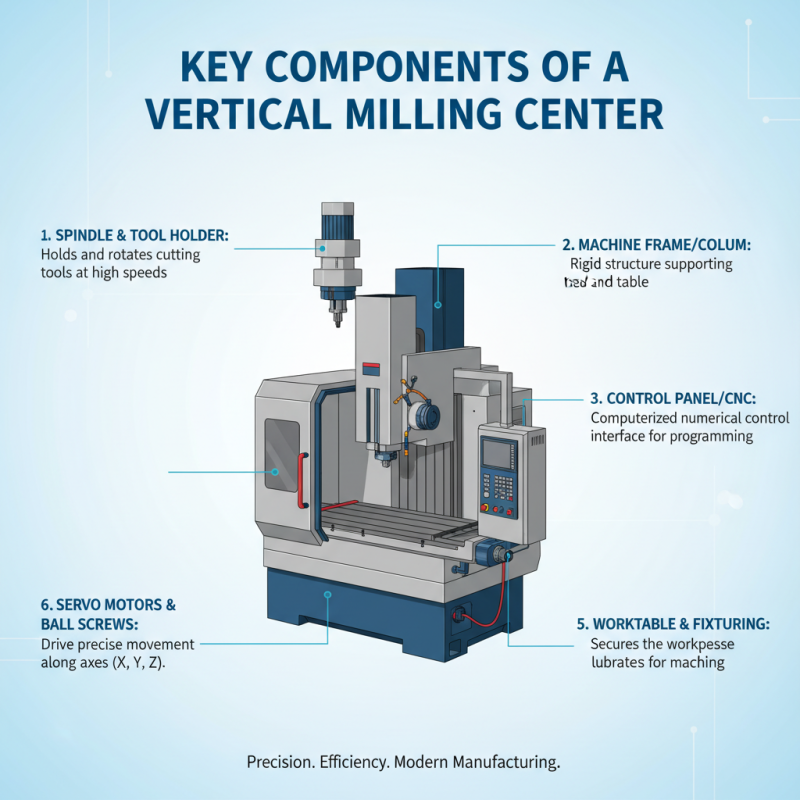
A vertical milling center (VMC) is a powerful machine used in machining operations. Its core components include the spindle, table, and control system. The spindle rotates the cutting tool, allowing it to remove material from the workpiece. The table supports the workpiece and can move both horizontally and vertically. This versatility is vital in manufacturing precise components.
According to industry reports, the global vertical machining center market is expected to grow by 4.8% annually until 2027. With advanced CNC technology, these machines can increase productivity significantly. However, the structure of a VMC can sometimes limit size adaptability. For larger parts, the machine's rigidity may be called into question. Proper alignment is essential, as even minor deviations can lead to inaccurate cuts.
The control system plays a crucial role in operation. It guides the spindle and table movements based on programmed designs. However, programming errors can introduce challenges. It requires skilled operators to troubleshoot these issues effectively. Automation in VMCs reduces human error, yet reliance on programming also leaves room for mistakes. Balancing technology and human skills is key to maximizing efficiency in vertical milling centers.
| Component | Description | Function |
|---|---|---|
| Spindle | Holds and rotates the cutting tool | Provides rotational motion for machining |
| Table | Surface where the workpiece is mounted | Supports and allows for the positioning of the workpiece |
| Column | Vertical structure that houses the spindle and drive | Supports and aligns the milling components |
| Control Interface | User interface for programming and operation | Enables user input and controls machine functions |
| Coolant System | Distributes coolant to the cutting area | Reduces heat and improves tool life during machining |
| Drive Motor | Supplies power for spindle rotation and feed | Drives the spindle and moves the table |
A vertical milling center (VMC) is crucial in modern machining. It operates on principles that combine precision and efficiency. The vertical spindle remains stationary while the table moves in multiple axes. This design allows for intricate cuts. According to industry reports, VMCs account for about 30% of the global machining market, highlighting their significance.
The operational process starts with securing the workpiece. Then, the operator programs the machine using CAD/CAM software. This software translates designs into machine language. The VMC executes the movements based on these instructions. A study found that automation in milling centers can improve productivity by up to 50%. However, not all machines are created equal. Some may struggle with complex geometries. Operators often face challenges in fine-tuning settings for precision.
Despite advancements, issues arise in tool wear and maintenance. Regular audits are needed to ensure efficiency. Studies indicate nearly 20% of machining time can be lost due to equipment downtime. Addressing these inefficiencies is vital. The industry's shift toward automation highlights the need for skilled operators who can adapt to changing technologies. Understanding these operational principles helps in making informed decisions.
Vertical milling centers are widely used in various industries. These machines excel in precision machining of materials like metal, wood, and plastic. The versatility of vertical milling centers allows them to tackle different tasks, such as cutting, drilling, and engraving. This flexibility is essential in sectors like aerospace, automotive, and electronics.
In aerospace, precision is crucial. Components must meet strict specifications to ensure safety and performance. Vertical milling centers help achieve this precision. They can create complex geometries and intricate designs needed for aircraft parts. The automotive industry relies on these machines for prototype development and production of engine components. These applications often require modifications and adjustments, highlighting the need for skilled operators.
Electronics manufacturing also benefits from vertical milling. Small parts require detailed work that only these machines can provide. However, there are challenges. The setup for different jobs can be time-consuming. Additionally, achieving the desired surface finish may require several passes. Operators must constantly assess their techniques to ensure efficiency. Despite these hurdles, the impact of vertical milling centers is undeniable across these industries.
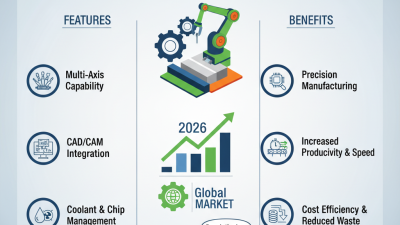
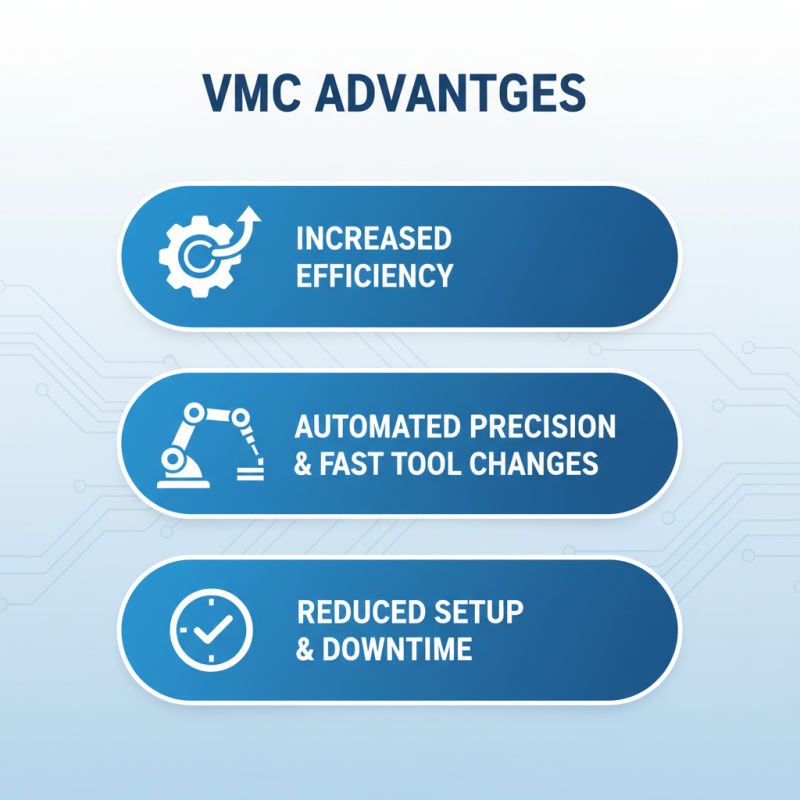
Vertical milling centers are essential in modern manufacturing. They allow for high precision in creating complex parts. One significant advantage is the flexibility they offer. Operators can set up different tools and materials easily. This adaptability speeds up production times and reduces downtime.
Using a vertical milling center can also lead to cost savings. These machines minimize waste by optimizing cutting paths. However, mastering the operation can be challenging. Mistakes in programming can result in scrap parts. Continuous training for operators is crucial to avoid costly errors.
Moreover, vertical milling centers improve quality control. They provide consistent results, which is vital in high-volume production. Yet, the technology requires regular maintenance. Neglecting this can lead to reduced efficiency and increased wear. Balancing routine checks with production demands can be tricky for manufacturers.