Why Choose a Vertical CNC Lathe Machine for Your Manufacturing Needs?
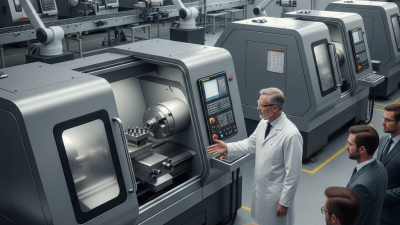
In the dynamic realm of manufacturing, the choice of equipment can define productivity. A Vertical CNC Lathe Machine stands out due to its unique design and capabilities. Renowned expert Dr. Emily Zhang, a leader in CNC technology, states, “The vertical design optimizes space and enhances accessibility.” This insight sheds light on why manufacturers are increasingly adopting this machinery.
Vertical CNC Lathes offer distinct advantages. Their upright structure provides easier loading and unloading. This feature reduces downtime, which many manufacturers struggle to control. For small to medium-sized operations, this capability can be transformative. Yet, it requires thoughtful integration into existing workflows.
However, potential users must consider some challenges. Not every production environment can easily accommodate a Vertical CNC Lathe Machine. This could lead to inefficiencies if not evaluated properly. It's crucial to assess existing layouts and workflows before making a commitment. Investing in the right equipment is essential but requires careful planning and consideration.
Advantages of Vertical CNC Lathes in Modern Manufacturing
Vertical CNC lathes have become essential in modern manufacturing. They offer significant advantages over traditional horizontal lathes. One major benefit is the space-saving design. Manufacturing facilities can often maximize floor space with vertical configurations. This is crucial since a report from the National Institute of Standards and Technology suggests that efficient floor planning can boost productivity by up to 30%.
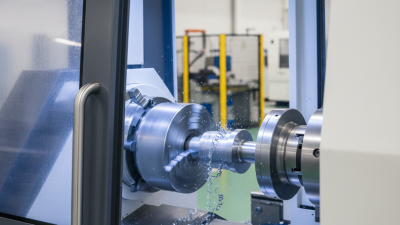
Another advantage is improved chip removal. In vertical lathes, gravity assists in the removal process, reducing downtime. This can lead to faster cycle times and better surface finishes. According to a study by the Manufacturing Technology Association, downtime costs can eat up to 20% of production time. Therefore, equipment that minimizes these disruptions is invaluable.
However, there are challenges with vertical CNC lathes. Not all materials can be easily machined in a vertical orientation. For instance, heavier components may require special handling. Additionally, setting up a vertical CNC lathe can be complex. Operators need proper training to avoid costly mistakes. Hence, while vertical CNC lathes offer numerous benefits, careful consideration is needed to ensure they align with specific manufacturing needs.
Key Features of Vertical CNC Lathes for Precision Machining
Vertical CNC lathes are essential for precision machining. They excel in turning operations, especially for large and heavy workpieces. The design allows for vertical loading, which improves accessibility and reduces floor space. This is crucial for efficient workflows in busy manufacturing environments.
Key features include a rigid spindle and powerful drive motors. These components ensure high-speed cutting and accuracy. The vertical orientation promotes better chip removal. However, users must pay attention to setup and tooling. A poorly aligned tool can lead to inaccuracies. Operators need ongoing training to maximize machine potential.
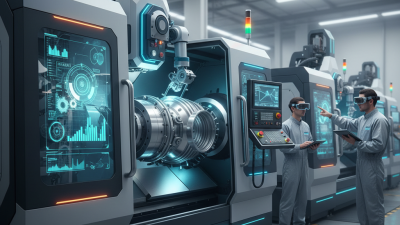
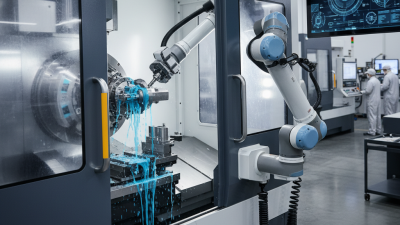
Another important aspect is the ease of integration with automation systems. Many vertical CNC lathes offer advanced control options. This can enhance productivity significantly. Yet, the complexity of these systems may require extensive programming knowledge. Embracing automation is beneficial, but it also presents challenges. Organizations must weigh the pros and cons carefully.
Applications of Vertical CNC Lathe Machines in Various Industries
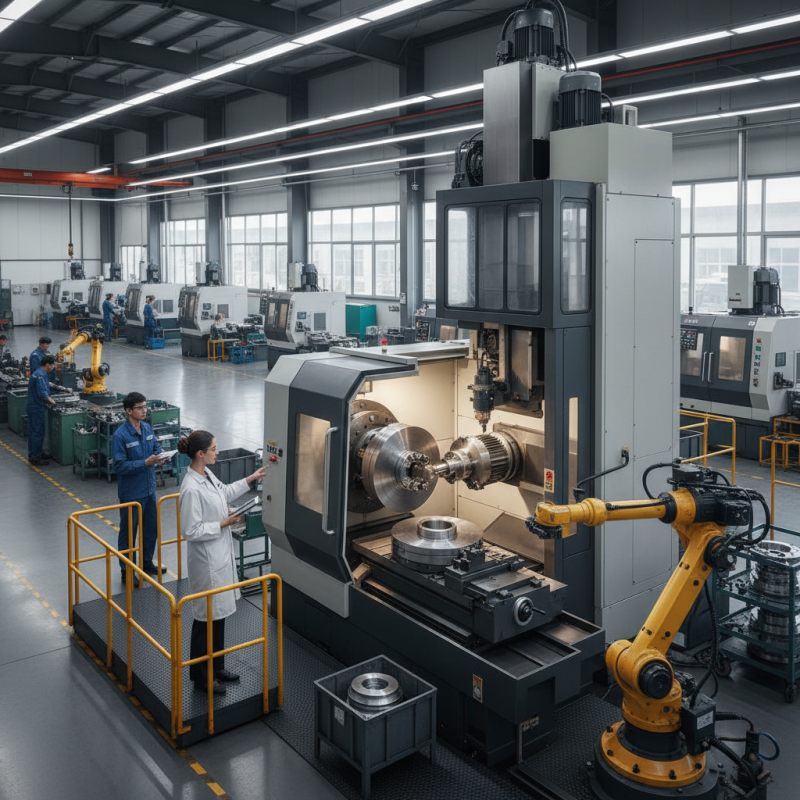
Vertical CNC lathe machines have become essential in various industries. They offer high precision and efficiency in machining large and heavy workpieces. Common applications include aerospace, automotive, and energy sectors. These machines are designed to handle complex parts with ease.
In aerospace, vertical CNC lathes produce components like turbine discs and housings. The need for precision is critical. The ability to rotate heavy parts vertically helps improve stability. In the automotive industry, they manufacture engine blocks and chassis components. These machines ensure quality and reduce cycle times.
Manufacturers face challenges with setup and programming. It’s vital to have skilled operators who understand the nuances of these machines. Additionally, regular maintenance is essential to prevent breakdowns. Balancing efficiency with careful attention to detail can lead to improved production results.
Comparative Analysis: Vertical vs. Horizontal CNC Lathes
When considering CNC lathes, the choice between vertical and horizontal models is crucial. Vertical CNC lathes offer unique advantages for specific manufacturing needs. Their design allows for easy loading of heavy parts. This feature can significantly enhance productivity in some workshops. Additionally, vertical lathes typically require less floor space, making them ideal for smaller facilities.
However, vertical lathes may not be suitable for every application. Horizontal CNC lathes excel in versatility and can handle various materials more efficiently. They are often preferred for larger production runs. If your operation focuses on complex shapes or intricate details, a horizontal lathe might be better.
**Tips:**
1. Assess your workspace before purchasing. Measure available floor space accurately.
2. Consider your production volume. High output may need a horizontal lathe.
3. Test out both types if possible. Hands-on experience can provide better insight.
Comparative Analysis: Vertical vs. Horizontal CNC Lathes
| Criteria |
Vertical CNC Lathe |
Horizontal CNC Lathe |
| Space Utilization |
More efficient in vertical space |
Requires more floor space |
| Ease of Loading |
Easier to load heavy workpieces |
More difficult with heavy items |
| Setup and Maintenance |
Generally requires less setup time |
May require more intricate setups |
| Tool Access |
Easier access to tools and workpiece |
Access may be restricted based on design |
| Production Efficiency |
High efficiency for large parts |
Ideal for small to medium parts production |
| Cost |
Typically higher initial investment |
Usually more cost-effective for small orders |
Considerations When Selecting a Vertical CNC Lathe Machine
When selecting a vertical CNC lathe machine, several critical factors must be evaluated. First, consider the size and weight capacity. According to recent industry reports, machines with higher load capacities enable more complex and heavier workpieces, which can improve throughput. A vertical CNC lathe typically handles larger and longer parts efficiently, which is essential for many manufacturing sectors.
Accuracy is another vital consideration. Precision is key in vertical machining, impacting the overall quality of components. Research indicates that a machine's accuracy can determine the success rate of production batches. Companies often seek machines with minimal deviation rates to maintain stringent quality control. This can sometimes lead to overinvestment in high-precision machines that may not be necessary for all applications.
Cost-efficiency plays a role too. While investing in advanced features might seem beneficial, it often leads to complexity. Operators must be well-trained, which can increase overhead costs. Balancing the need for sophisticated technology with operational simplicity is essential. Manufacturers need to reflect on whether their current and future production goals align with the chosen machine's capabilities. In doing so, they can avoid costly mistakes and ensure sustained growth in productivity.
Why Choose a Vertical CNC Lathe Machine for Your Manufacturing Needs?
This bar chart illustrates the key factors to consider when selecting a vertical CNC lathe machine, including precision, operational cost, space efficiency, and versatility. Each factor has been rated on a scale from 1 to 10 based on its importance to manufacturers.