Inquiry Us
Leave Your Message

Top 10 Vertical Machine Types You Should Know About?

Vertical machines are an essential part of modern manufacturing. They come in various types, each designed for specific tasks. Understanding these machines can improve efficiency and productivity in a workshop.

In this article, we will explore ten notable vertical machine types. Each machine has unique features and applications. For instance, vertical milling machines offer precision for detailed work. Meanwhile, vertical lathes excel in shaping larger components.

Every machine has strengths, but also limitations. A review of their features is essential. Some models may not suit your needs. Recognizing these details can lead to more informed decisions, as well as potential improvements in your processes. Let’s delve into these vertical machines and their roles in enhancing production.
Top 10 Vertical Machine Types You Should Know About?

Overview of Vertical Machine Types and Their Applications

Top 10 Vertical Machine Types You Should Know About?

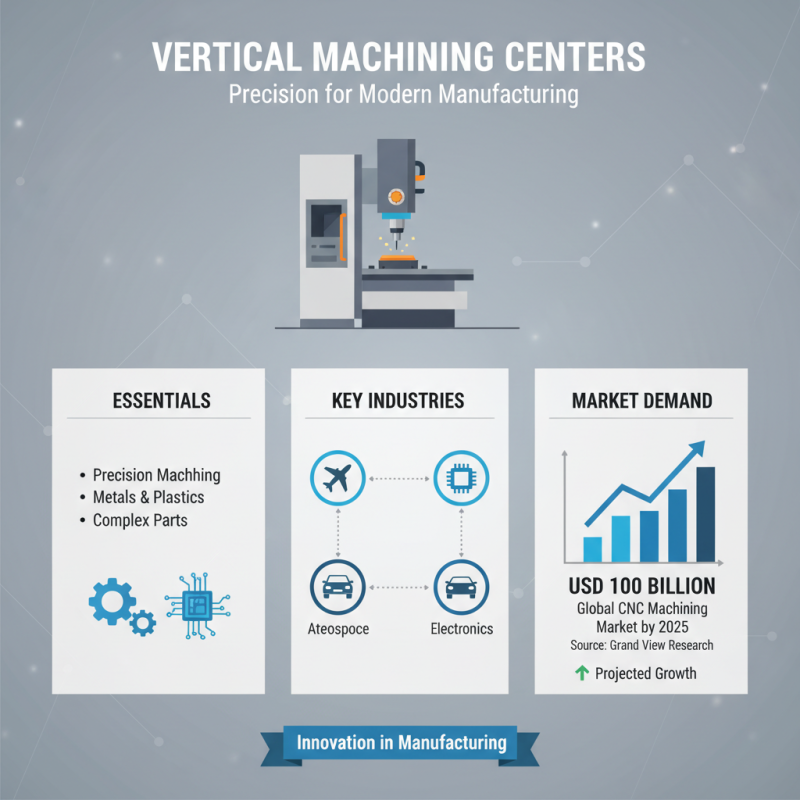
Vertical machining centers are essential in modern manufacturing. They are widely used for precision machining of various materials, including metals and plastics. These machines excel in creating complex parts for industries such as aerospace, automotive, and electronics. A report from Grand View Research indicates that the global CNC machining market is projected to reach USD 100 billion by 2025, showcasing the demand for vertical machines.

Applications of vertical machines vary significantly. In the aerospace sector, they create intricate components like turbine blades. In automotive manufacturing, they produce engine blocks and gears. Electronics companies often rely on these machines for precise circuit boards. This versatility is what makes vertical machining so appealing.

Tips: Regular maintenance is crucial for vertical machines. Proper calibration improves accuracy and extends machine life. Keep an eye on wear and tear, as it can lead to undesirable results. Also, training operators can enhance production efficiency. They should understand machining principles and best practices. Investing in training pays off in productivity.
Key Features and Benefits of Vertical Machines

Vertical machines are essential in various industries. They stand out for their efficiency and compact design. These machines often save space while maximizing productivity. Key features include their ability to perform multiple tasks. This versatility makes them a smart choice for many businesses.

A critical benefit is operation ease. Vertical machines usually require less training time for operators. This can lead to faster setups and less downtime. They're often user-friendly, which increases employee satisfaction. A well-placed machine can improve workflow dramatically.

Tip: Always assess your specific needs before choosing a machine. Consider the types of operations you plan to conduct. You might discover a vertical machine isn't always the best fit.

Another aspect to think about is maintenance. Vertical machines can be easy to maintain if set up correctly. However, ignoring upkeep can lead to problems. Regular checks are vital for optimal performance and longevity.

Tip: Keep a maintenance schedule. Establish routines to help prevent issues before they arise. Small actions can lead to significant benefits in the long run.

Top 10 Vertical Machine Types You Should Know About

This bar chart represents the key features and benefits of the top 10 vertical machine types.

Comparative Analysis of Popular Vertical Machine Types

Top 10 Vertical Machine Types You Should Know About?

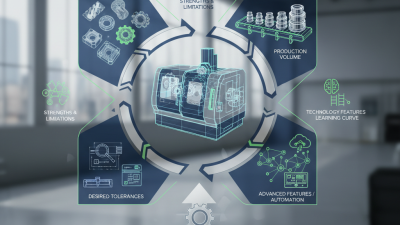
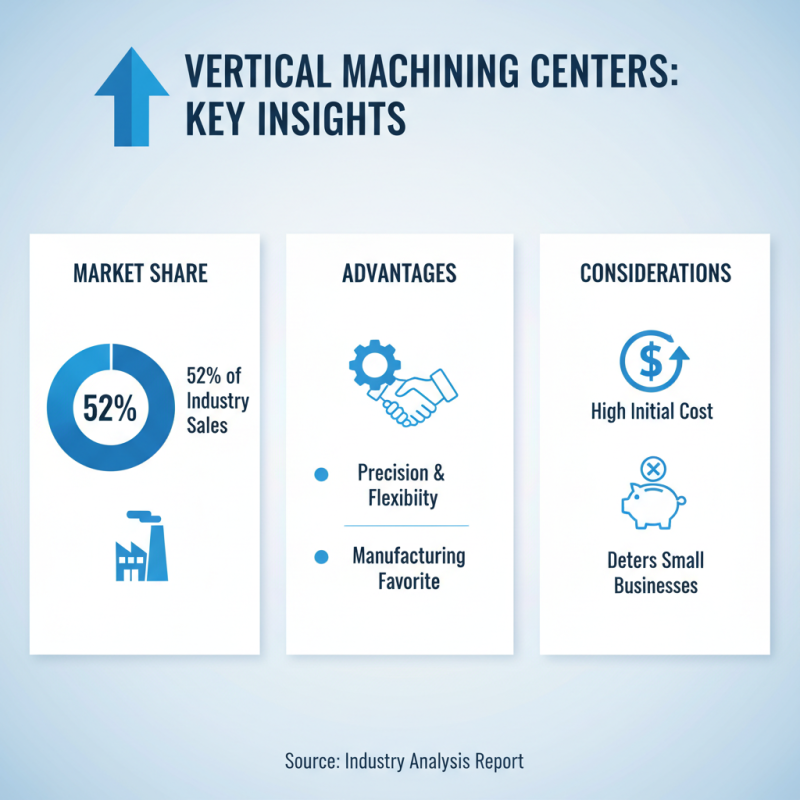
When exploring the world of vertical machines, a comparative analysis reveals unique insights. For instance, vertical machining centers (VMCs) dominate the market, accounting for approximately 52% of industry sales. Their precision and flexibility make them a favorite in manufacturing. However, they come with a high initial cost, often deterring small businesses.

Another key type is the vertical band saw, popular in metal fabrication. It offers simplicity and efficiency, perfect for various materials. Reports indicate that this type of saw has a market growth rate of about 4% annually. Yet, it lacks the advanced features seen in VMCs, which can limit capabilities in complex operations.

Turning machines are another crucial category. These devices excel in cylindrical part manufacturing. Data shows they account for nearly 30% of vertical machine usage across various industries. The drawback lies in their learning curve; operators often require substantial training to optimize their full potential. Each machine type highlights both advantages and areas for improvement, illustrating that the right choice depends on specific operational needs.

Emerging Trends in Vertical Machine Technology

In the realm of vertical machine technology, exciting trends are emerging. Innovations are shaping the future of manufacturing. From eco-friendly designs to advanced automation, the industry is evolving rapidly. Many companies are now focused on sustainability. They aim to reduce waste and energy consumption.

Adoption of artificial intelligence is also on the rise. This technology enhances efficiency and accuracy in vertical machining. Smart machines can learn from data and improve performance over time. However, reliance on technology can pose challenges. Workers need ongoing training to keep pace with these changes.

Tip: Stay updated on advancements. Attend workshops and seminars to enhance your knowledge.

Vertical machines are becoming more compact yet powerful. This trend allows businesses to save space while maximizing output. Yet, as machines grow smaller, they may lose certain capabilities. Companies must evaluate their needs carefully before upgrading.

Tip: Analyze your production requirements before investing in new technology. It’s crucial to ensure compatibility with existing systems.

As vertical machine technology develops, businesses must adapt. Embracing change can lead to significant competitive advantages. Exploring new machines can open doors for innovation and growth. Nevertheless, keep in mind the potential drawbacks of rapid technological shifts.

Top 10 Vertical Machine Types You Should Know About

Machine Type Key Features Applications Emerging Trends
Vertical Machining Center High precision, multi-axis capability Aerospace, automotive, medical Increased automation and IoT integration
Vertical Boring Mill Large workpieces, heavy duty Oil & gas, construction Advanced control systems
Vertical CNC Lathe High rotational speed, automated tool changes Heavy machinery, automotive Smart manufacturing solutions
Vertical Band Saw Versatile cutting, adjustability Metal fabrication, woodworking Precision and energy-efficient models
Vertical Milling Machine Adjustable speed, various tooling options Prototype development, small batch production Integration with CAD/CAM systems
Vertical Grinding Machine High-precision surface finish Tool manufacturing, aerospace Automation for repetitive tasks
Vertical Shear Precision cuts, adjustable feed Metalworking, fabrication Improved safety features
Vertical Press Brake Accurate bends, programmable controls Sheet metal forming Increased customization options
Vertical Laser Cutter High precision, minimal material waste Textiles, metals, plastics User-friendly interfaces and software
Vertical Waterjet Cutter No heat distortion, versatile materials Fabrication, aerospace Eco-friendly cutting solutions

Maintenance and Safety Considerations for Vertical Machines

Maintenance is crucial for vertical machines. Regular inspection helps identify problems early. Check for oil leaks and signs of wear. A clean machine operates more efficiently. Dust and debris can lead to overheating. Lubrication points should be attended to regularly. Without proper care, a machine’s lifespan shortens significantly.


Safety is equally important. Operators must be trained properly. They should understand how to use safety features. Wearing protective gear can prevent injuries. Emergency stops should be functional and accessible. Each machine should have a clear safety protocol posted. All dangerous areas must be marked clearly.


Ignoring these considerations can lead to costly mistakes. Some may underestimate the importance of maintenance. This could result in breakdowns during critical operations. Training is often overlooked, yet it is essential for safety. Regular assessments can help reduce risks. Evaluate procedures frequently to ensure effectiveness. Investing time in these areas yields better outcomes.