2026 How to Choose the Best Vertical Machining Center?
In the dynamic world of manufacturing, selecting the right Vertical Machining Center can significantly impact productivity and precision. Renowned expert, Dr. Emily Larson, once stated, "The right choice in machining can revolutionize your workflow." This powerful insight underlines the importance of making informed decisions in the face of numerous options available.
Vertical Machining Centers are critical for modern manufacturing. They offer advanced features such as high-speed spindles and varied tooling capabilities. However, not every machine fits every task. Manufacturers often struggle with understanding their unique needs. This highlights the importance of thorough research and expert consultation before making a commitment.
When evaluating potential machines, consider key factors like construction quality, software compatibility, and support services. A machine that excels in one area may fall short in another. Hence, balance is essential. Take the time to visit showrooms or seek expert opinions. Ultimately, a well-informed choice leads to greater efficiency and output in the long run.
Understanding Vertical Machining Centers and Their Applications
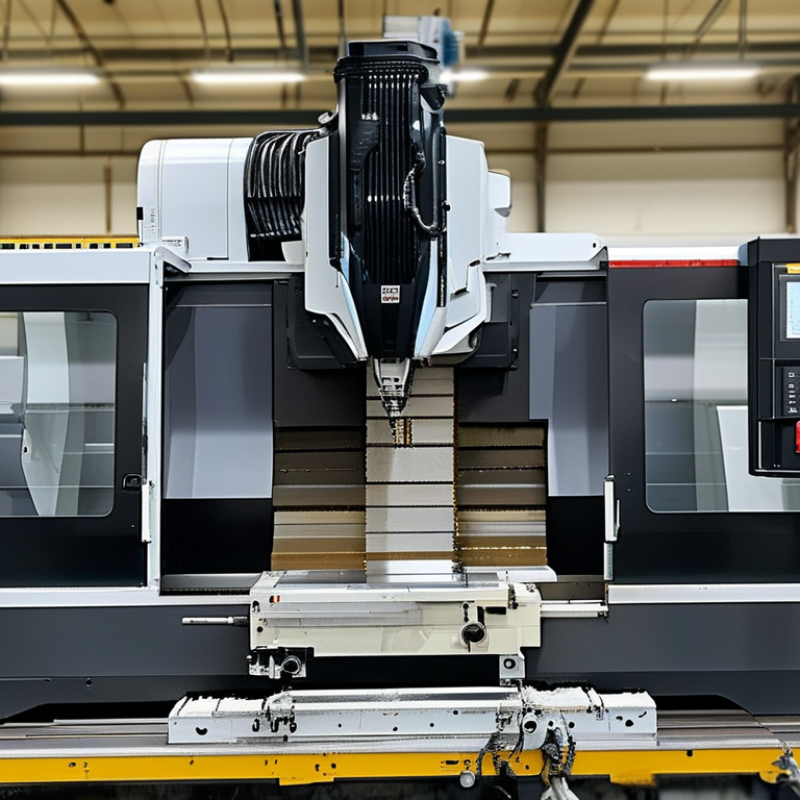
Vertical machining centers (VMCs) are pivotal in modern manufacturing. They are designed for precision machining and often handle complex components. Understanding their applications is crucial for any facility aiming for efficiency and accuracy.
VMCs excel in creating intricate shapes and parts. They are widely used in industries like aerospace and automotive for their ability to machine various materials. This makes them suitable for producing components like engine blocks or turbine blades. Operators must be aware of the machine's specifications to align with project requirements. For instance, the spindle speed, tool capacity, and overall size can dramatically influence productivity.
Choosing the right VMC involves considering its intended use. Not all machines are created equal—certain models might struggle with specific materials. A deep dive into your needs can reveal gaps in machine capabilities. Operators should continuously evaluate their processes. This self-reflection can highlight areas for improvement, ensuring you stay competitive in a rapidly evolving manufacturing landscape.
Key Factors to Consider When Selecting a Vertical Machining Center
Selecting the best vertical machining center (VMC) requires careful consideration of several key factors. One significant aspect is the spindle speed. According to a report by Techspex, VMCs typically range from 10,000 to 30,000 RPM. Higher speeds can result in better surface finish and reduced cycle times. However, the trade-off might be increased wear and tear on tooling and machine components.
Another factor is the machine's capability and rigidity. Analyzing materials to be machined is crucial. A VMC needs to perform well on diverse materials, from aluminum to hardened steel. A study published in Modern Machine Shop indicated that rigidity plays a pivotal role in maintaining accuracy during operation. Machines with greater stiffness can withstand various cutting forces, ensuring precision over extended periods. Yet, increased rigidity design may lead to higher costs.
Lastly, considering the control system is vital. User-friendly interfaces improve operational efficiency. Reports show that operators are often more productive with intuitive systems. However, complex software might be daunting for new users, potentially causing delays. Investing in training could mitigate this issue, yet it can be an overlooked aspect during selection. Balancing control system complexity against user proficiency is crucial for long-term productivity.
Evaluating the Specifications and Features of Vertical Machining Centers
When selecting a vertical machining center, evaluating its specifications is crucial. Key aspects include spindle speed, feed rate, and travel dimensions.
Spindle speed determines how fast the machine can operate. Common ranges are between 10,000 to 20,000 RPM. A higher spindle speed often allows for finer finishes and quicker cycle times.
Consider the feed rate, which affects material removal speed. Rates can vary significantly based on machine design. A robust feed rate often enhances overall productivity. Travel dimensions also matter; they define the maximum size of the workpiece. Ensure the machine can accommodate the sizes you plan to work with.
Don't overlook the control system. A user-friendly interface makes a difference in productivity. An intuitively designed system may reduce the learning curve for new operators. Occasionally, it may seem too complex, requiring additional training.
Furthermore, check the machine’s rigidity and accuracy specifications. These elements determine how well the machine can maintain precision under stress. You may find trade-offs in features versus cost, leading to difficult choices. Always reflect on your specific needs and usage scenarios.
Comparing Popular Brands and Models in the Vertical Machining Market
When exploring the vertical machining market, comparing popular brands and models is crucial. Many factors can influence your decision, including precision, speed, and reliability. Each brand offers unique features that might appeal to different needs. You may find some models excel in small-scale production, while others are better suited for heavy-duty tasks.
It's important to dig deeper into user reviews and expert opinions. Analyzing these insights can reveal strengths and weaknesses of each machine. Industry professionals often highlight the importance of build quality and after-sales support. Inconsistent performance can be a concern for some models, which might lead to costly downtime.
While specifications are important, consider real-world usage. Some machines may look impressive on paper but struggle in practice. Look for demonstrations and feedback from users in similar industries. This can help paint a clearer picture of what to expect in daily operations.
Assessing Budget and Cost-Effectiveness for Your Machining Needs
When choosing a vertical machining center, budget is crucial. A clear understanding of your financial limits will guide your decisions. Assess all costs involved, not just the machine itself. Consider maintenance, tooling, and operational expenses. A lower initial price may lead to higher long-term costs if the machine is not efficient or reliable.
Evaluate the total value you receive for your budget. An expensive model may offer advanced features, but determine if those features meet your needs. A basic model might suffice for simpler tasks. Investigate operational costs related to energy consumption and potential downtime issues.
Reflect on your specific requirements. If your projects are small or infrequent, investing heavily in high-end equipment could be imprudent. Balance your needs against potential growth. Sometimes, spending less now means re-evaluating your choice later. Always prioritize machines that align with your production goals.