2026 How to Choose the Best Vertical CNC Lathe Machine?
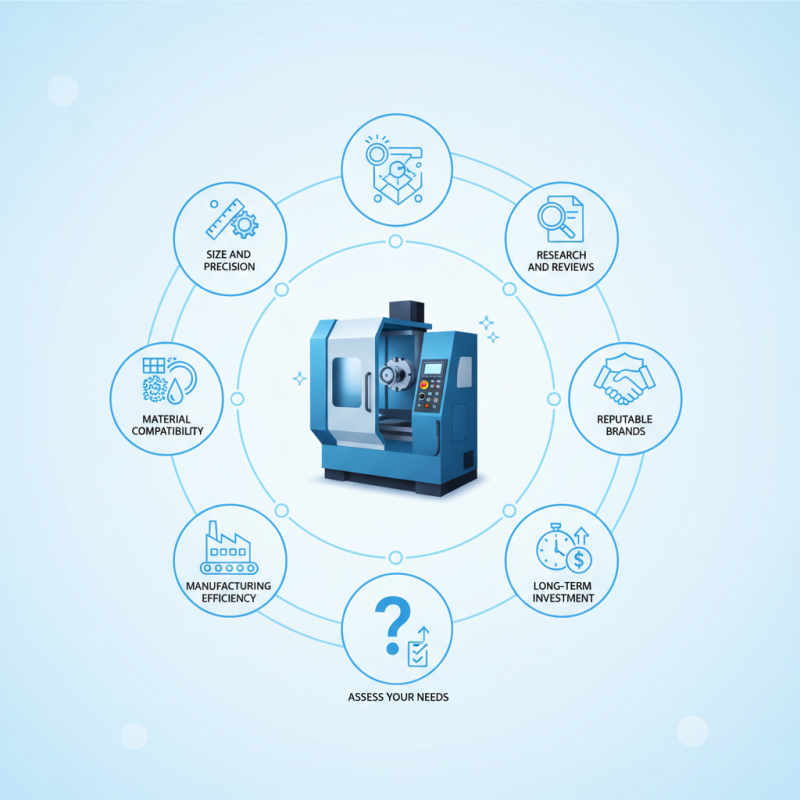
Choosing the best Vertical CNC Lathe Machine can be daunting. This decision impacts manufacturing efficiency and product quality. Understanding your needs is crucial. Vertical CNC lathes offer unique advantages, such as space-saving design and easier accessibility. However, not all models are created equal.
Many manufacturers face challenges in selecting the right machine. Factors include size, material compatibility, and precision requirements. Moreover, a machine may excel in one area but falter in another. It's essential to assess your specific production needs consistently.
Quality machines come from reputable brands. Researching user reviews and industry standards helps in making informed choices. Remember, investing time in understanding these machines can lead to better outcomes in the long run. Don't rush the process; every detail matters.
Factors to Consider When Choosing a Vertical CNC Lathe Machine
When selecting a vertical CNC lathe machine, several factors come into play. Understanding your specific requirements is essential. Determine the size of the workpieces you will be machining. Machine capacity can significantly impact productivity. A lathe that's too small can limit your operations. Conversely, an oversized machine may lead to inefficiencies.
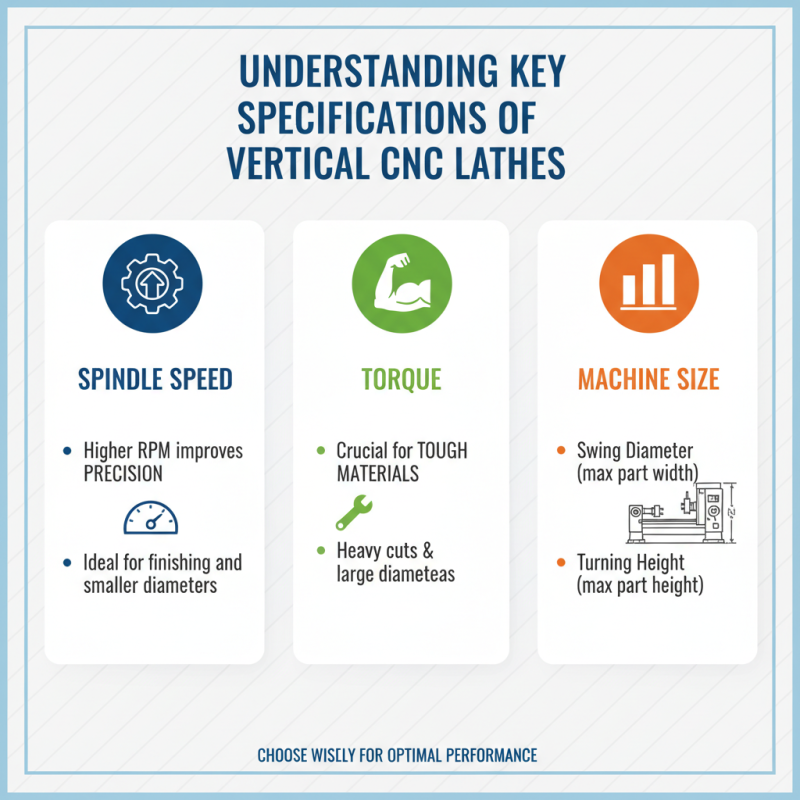
Another vital consideration is the machine's rigidity. A rigid machine can better handle heavy cuts without compromising precision. Look for features that enhance stability, such as robust frame materials. The spindle speed and torque also matter. Higher speeds suit lighter materials. For tougher materials, increased torque is necessary.
It's important to reflect on maintenance requirements. Some machines demand more upkeep than others. Evaluate the availability of service and support. If parts are hard to find, repairs could become lengthy. Think about the ease of use as well; a user-friendly interface can reduce errors. Balancing technical features with practical usability ensures better workflow.
Understanding the Key Specifications of Vertical CNC Lathes
When selecting a vertical CNC lathe, understanding its key specifications is vital. These machines come with various features, which can significantly affect your machining processes. Pay attention to the spindle speed and torque. Higher speeds enhance precision, while adequate torque assists in handling tough materials.
Another critical aspect is the tool holder type. A stable tool holder can reduce vibrations during machining, leading to better surface finishes. Evaluate the travel distances as well. Larger travels enable machining of bigger parts, which can be a crucial factor for certain projects.
Tips: Always check the machine's rigidity and stability. This ensures that the lathe performs accurately under heavy loads. Consider your shop’s space for the machine's dimensions and ensure it fits without hindrance. Engage with experienced professionals when evaluating options to gain insights into real-world performance.
Evaluating Brand Reliability and Customer Support for CNC Machines
When selecting a vertical CNC lathe machine, brand reliability is paramount. A trusted brand often indicates quality manufacturing and consistent performance. Look for brands with a long history in the industry. Longevity usually reflects customer satisfaction and durability. However, not all brands are perfect. Some might overlook specific customer needs, leading to disappointment.
Customer support should be a key consideration. Efficient support can make a difference when problems arise. It’s essential to evaluate the responsiveness of customer service teams. Check for available resources like manuals and online help. Companies that offer comprehensive support can save you time and money. However, not every support experience is ideal. Consider reading customer reviews. They often reveal common issues with support and assistance.
Additionally, warranties and service agreements can show a brand’s commitment to its products. A strong warranty indicates confidence in their machinery. Still, some brands may provide misleading warranty terms. It's wise to read the fine print carefully. Assessing these elements can lead you to a satisfying purchase, reflecting both reliability and support.
2026 Vertical CNC Lathe Machine Evaluation Criteria
Assessing Your Production Needs and Budget for CNC Lathes
When assessing your production needs for a vertical CNC lathe, start by evaluating your manufacturing goals. Understand the materials you will use. Reports suggest that over 60% of manufacturers prioritize multi-material capabilities when selecting machinery.
Your budget plays a crucial role too. The cost of vertical CNC lathes ranges widely, with entry-level models starting around $20,000 and more advanced options exceeding $100,000. This variation highlights the importance of clearly defining your requirements. Balance between your budget and production capacity is necessary.
Tip: Create a detailed spreadsheet listing features you require. This will simplify comparisons among different machines. Consider future scalability, as investing in a machine with a slightly higher capacity can save costs long-term.
Reflect on operating costs as well. Energy consumption and maintenance can significantly impact total expenditure on CNC technology. Reports indicate that companies can spend 15-20% of their machine's purchase price annually on upkeep. Evaluate how often the machine will be used and the associated operational expenses.
Exploring Advanced Features in Modern Vertical CNC Lathe Machines
When selecting a vertical CNC lathe machine, understanding the advanced features is crucial. Modern machines offer enhanced automation, which streamlines production and reduces labor costs.
Automatic tool changers can improve efficiency significantly. Operators can focus on other tasks while the machine handles tool transitions.
Another key feature is real-time monitoring systems. These systems allow for instant feedback on the machining process. They help identify issues early, reducing downtime and waste.
However, relying too much on technology can be a pitfall. It's essential to balance automation with skilled operators who can address unexpected problems.
Moreover, look for machines with advanced software integration. Sophisticated programming capabilities enable more complex designs and easier modifications. Training staff on these new tools is essential. Mistakes can arise from unfamiliarity with the software.
Investing time in education can enhance overall productivity and prevent costly errors.