Top Horizontal Machining Center Buying Guide for Global Suppliers?
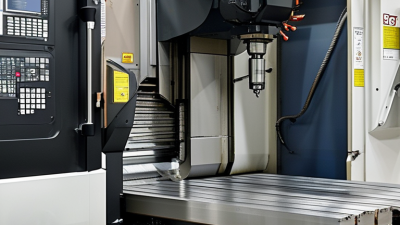
When exploring the world of manufacturing, understanding the Horizontal Machining Center (HMC) is crucial. This machine plays a vital role in precision engineering and production efficiency. Choosing the right HMC for your needs can be tricky. With numerous options available, making an informed decision is essential.
A well-informed purchase can drastically enhance productivity. Alternatively, a poor choice may lead to issues like increased downtime or operational inefficiencies. Assessing key features such as spindle speed, work envelope, and tool change time is necessary. Potential buyers should consider these aspects carefully.
Expertise in HMC specifications is important. Engaging with suppliers who understand the nuances of these machines will provide valuable insights. Remember, not all products are created equal. Prioritizing quality and reliability over price often leads to better long-term investment. Evaluating different suppliers can highlight better options. This guide aims to assist you in finding the ideal HMC.
Understanding the Importance of Horizontal Machining Centers in Manufacturing
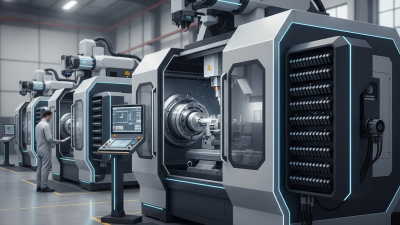
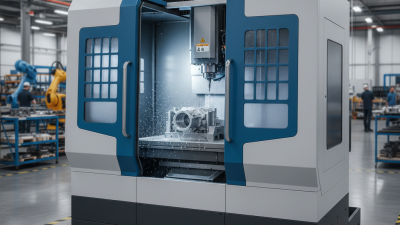
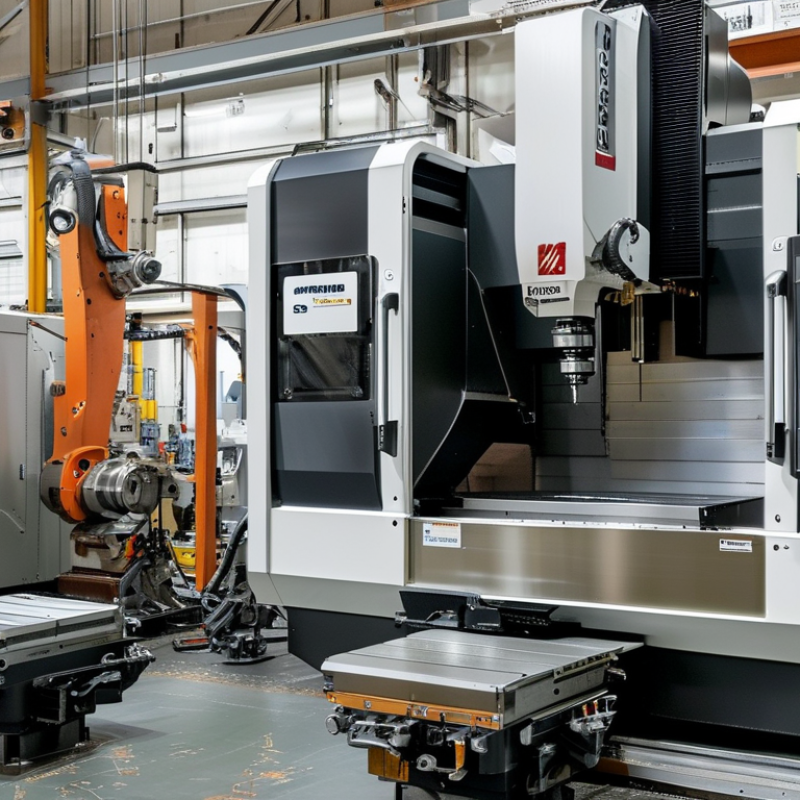
Horizontal machining centers play a critical role in modern manufacturing. They are known for their efficiency in producing complex parts. These machines operate on multiple axes, allowing for precise cutting and shaping of materials. Their design is particularly beneficial for heavy and large workpieces. With horizontal orientation, chips and coolant flow away from the cutting area, improving visibility and reducing downtime.
Utilizing horizontal machining centers can lead to significant time savings. Many operations can be performed in one setup, minimizing the need for tool changes. This is especially important in high-volume production environments. Operators can focus on monitoring the process rather than constantly adjusting setups. However, the initial investment can be substantial. Companies must carefully evaluate their production demands before committing.
The skill level of operators also impacts efficiency. A less experienced workforce may struggle to maximize the machine’s potential. Ongoing training is essential to ensure optimal performance. Regular maintenance is another consideration. Neglecting this can lead to costly downtime and repairs. Striking a balance between investment and expertise is crucial for successful utilization.
Key Factors to Consider When Purchasing Horizontal Machining Centers
When purchasing a horizontal machining center, it’s crucial to assess several key factors. The size and capacity of the machine play a fundamental role. Buyers should evaluate the sizes of the parts they will be machining. Consider the maximum weight and dimensions. These aspects directly influence productivity and efficiency levels.
Another important area to examine is the machine's accuracy and repeatability. Precision in machining is essential for high-quality output. Look for specifications that detail tolerances and how they are maintained over time. Additionally, the speed of the machine affects overall productivity. Higher RPMs can lead to faster cycle times, but may require careful handling to avoid errors.
Lastly, consider the available support and service options. Reliable technical support can reduce downtime, especially during operations. Investigate the reputation of the manufacturer regarding after-sales service. Reflecting on these factors can prevent costly mistakes. Investing in the right horizontal machining center requires careful thought and due diligence.
Top Brands and Models of Horizontal Machining Centers in the Market
When exploring horizontal machining centers, several brands stand out in the market. These machines are essential in modern manufacturing, offering precision and efficiency. The best models typically feature high rigidity, advanced controls, and versatile tooling options. Different tasks, from large components to intricate parts, benefit from a well-chosen machining center.
Many industries favor horizontal machining centers for their ability to perform multiple operations in one setup. This capability reduces cycle times and enhances productivity. A good model often includes features like a powerful spindle and a robust tool changer. However, the complexity of these machines can be overwhelming for beginners. It's important to assess specific operational needs before making a purchase.
User experience varies significantly with different brands. Some may find certain controls intuitive, while others struggle with advanced features. Feedback from operators highlights the importance of support and training. Reliable maintenance services can also influence long-term satisfaction. To ensure the best choice, research through reputable sources is crucial. Each purchase should reflect careful consideration of user requirements and operational demands.
Evaluating Performance Metrics: Speed, Precision, and Reliability
Evaluating performance metrics like speed, precision, and reliability is critical when selecting a horizontal machining center. Recent industry reports indicate that optimal speed can increase productivity by 20-40%. However, machines that promise excessive speed may compromise precision. Balancing speed with accuracy is essential for quality output. Precision becomes increasingly important in industries where tolerances are tight, with a standard deviation of 0.002 mm or less being common for high-value parts.
Reliability is another key aspect. A breakdown in machining operations can lead to costly downtime. Studies show that manufacturers lose approximately 5% of their annual output due to machine failures. Selecting a machine with robust reliability ratings can mitigate this risk. Look for components with proven longevity and good customer reviews regarding their durability.
**Tip:** Evaluate performance against industry benchmarks.
When assessing these centers, manufacturers should also consider real-world applications. For instance, newer models may offer advanced features like automatic tool changers, which boost efficiency but could complicate maintenance. Having technicians trained for these systems can improve uptime. Remember, adopting cutting-edge technology is not always the best route without adequate support measures in place.
**Tip:** Always prioritize support and training.
Market Trends and Future Projections for Horizontal Machining Technologies
Horizontal machining technologies are evolving rapidly. The global market is seeing increased demand for precision and efficiency. Manufacturers are focusing on integrating advanced features, like automation and IoT connectivity. These innovations not only improve productivity but also reduce operational costs.
Tips: Consider your production volume. Higher volumes may benefit from automated solutions. Understand your material requirements, too. Different materials need specific machining techniques.
Future projections indicate a shift toward more user-friendly interfaces. Operators will seek machines that simplify setup and operation. Businesses must also be adaptive. What works today may not suffice tomorrow. Keeping up with trends is crucial for staying competitive.
Tips: Regularly reassess your equipment needs. New technologies can enhance your workflow. Don’t overlook training for your staff. Skilled operators can maximize machine potential.