Inquiry Us
Leave Your Message

How to Choose the Right Vertical Lathe for Your Machining Needs?

Choosing the right vertical lathe for your machining needs can be challenging. The market offers various models, each suited for different tasks. A wrong choice might lead to inefficiencies and increased costs.

When selecting a vertical lathe, consider your specific applications. Think about the materials you will work with. For instance, heavy-duty lathes handle tougher materials better. Look for features that reflect quality and durability.

Remember, not all lathes are created equal. Some may lack precision, impacting the final product. Assessing the technical specifications is crucial. Your choice should align with your production goals. It’s essential to balance cost with efficiency. Investing in the right vertical lathe can drive productivity. However, be aware of potential maintenance needs. Consider these aspects carefully before making a decision.
How to Choose the Right Vertical Lathe for Your Machining Needs?

Understanding the Different Types of Vertical Lathes Available on the Market

How to Choose the Right Vertical Lathe for Your Machining Needs?

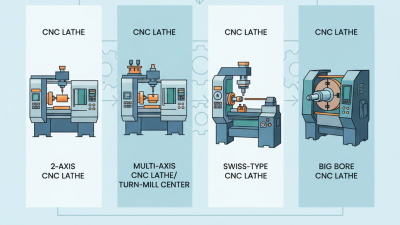
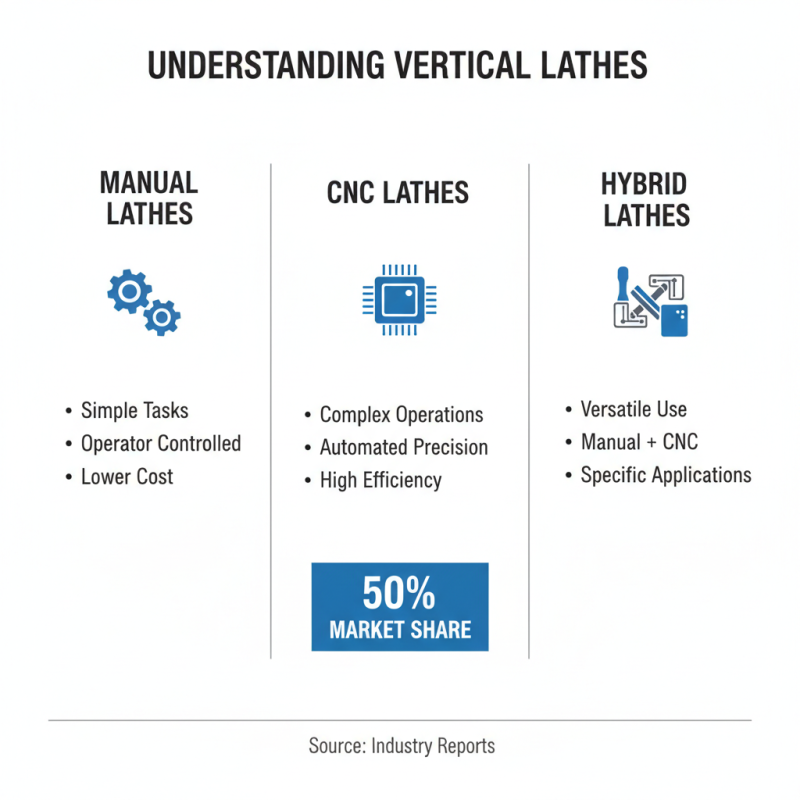
When choosing a vertical lathe, understanding the available types is crucial. Vertical lathes come in several configurations, including manual, CNC, and hybrid models. Each type serves different machining needs, from simple tasks to complex, multi-axis operations. Industry reports indicate that CNC vertical lathes dominate the market, representing around 50% of total sales. This is due to their precision and efficiency, which appeal to manufacturers seeking productivity boosts.

Manual vertical lathes, although less common, still hold significance. They are favored for their simplicity and lower initial costs. They are ideal for machine shops focused on specific, less complicated tasks. However, these machines require skilled operators, which could be a challenge for some businesses. According to a recent survey, roughly 30% of small to medium enterprises still rely on manual lathes.

Hybrid models combine features of CNC and manual machines. This allows flexibility in operations, appealing to companies with varied production needs. However, they can be expensive and complex, which could deter some users. Choosing the right vertical lathe is not just about features. Consider your specific workload, operator skills, and budget constraints. Balancing these factors can lead to a more informed decision.

Key Factors to Consider When Selecting a Vertical Lathe for Your Needs

Choosing the right vertical lathe involves understanding several key factors that impact performance. The size of the workpiece is crucial. Measure the maximum diameter and length of the parts you will machine. This will ensure you select a lathe that fits your needs. Overestimating can lead to inefficient processes.


Precision is another important factor. Look for lathes with solid construction and precise controls. A well-built machine will maintain accuracy over time. However, high precision often comes at a higher cost. Evaluate if the investment aligns with your production goals.


Consider the tooling options available with the lathe. Different lathes offer various tool holders and attachments. This affects flexibility in machining. Be mindful of your specific requirements. Finally, reflect on maintenance aspects. Regular maintenance prolongs the lifespan of the lathe. Neglecting this can lead to costly downtime, which is a risk worth considering.

Assessing Your Machining Requirements: Size, Material, and Precision

Choosing the right vertical lathe starts with assessing your machining requirements. Consider the size of the components you will work with. Large parts demand a lathe with a substantial swing and width. If you're dealing with hefty materials, ensure your lathe can handle them. Smaller parts require different specifications. Precision is also crucial. If your products need fine tolerances, you cannot overlook the details.

Material type is equally important. Different materials react differently when machined. Metal alloys, for example, may require more robust tooling. On the other hand, softer materials could allow for quicker cycles. Understand how the lathe will interface with various materials. You might find that your current lathe struggles with certain types. This could lead to increased wear or poor finishes.

Don't forget about precision. Many lathe models boast high accuracy, but this doesn't always tell the whole story. Check the machine’s specifications, but also consider how it aligns with your production goals. A lathe might have impressive numbers on paper but may not perform well in real-life scenarios. It's vital to weigh these aspects carefully. Consider having a discussion with colleagues or advisors in your field to gather insights. They might reveal challenges you haven’t encountered yet.

How to Choose the Right Vertical Lathe for Your Machining Needs?

Criterion Small Shop Medium Shop Large Shop
Size Up to 500 mm 500 mm - 1500 mm 1500 mm and above
Material Aluminum, Plastics Steel, Bronze Alloys, Hard Metals
Precision ±0.05 mm ±0.01 mm ±0.001 mm
Production Volume Low Volume Medium Volume High Volume
Typical Applications Prototyping, Custom Parts Medium-Sized Components Large Parts, Mass Production

Evaluating Budget and Cost Considerations for Vertical Lathes

How to Choose the Right Vertical Lathe for Your Machining Needs?

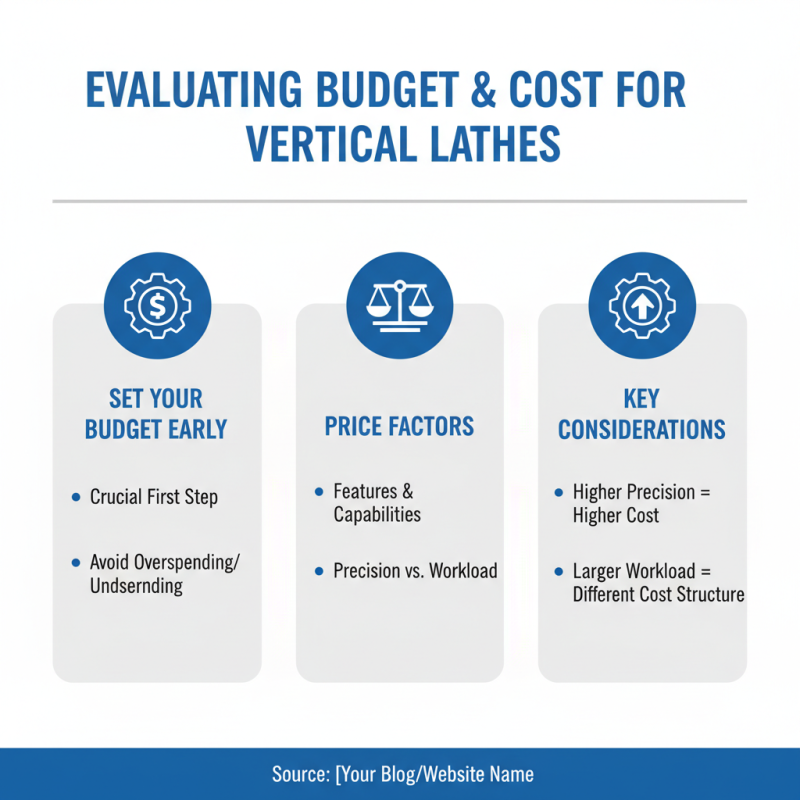
When evaluating vertical lathes for your machining needs, budget is crucial. Determine how much you can spend early on. Prices for vertical lathes vary significantly based on features and capabilities. Some machines are equipped for higher precision, while others focus on larger workloads.

Consider both upfront costs and long-term expenses. Maintenance and operational costs can add up. Some machines may have lower purchase prices but can be expensive to operate. It's essential to factor in energy consumption and tool replacement costs.

Additionally, explore financing options if immediate budget constraints arise. This approach can make it easier to invest in a quality lathe that meets your specifications. Remember to assess your actual machining needs. Over-specifying can lead to unnecessary expenses. Reflect on how often you'll use the machine and the complexity of the tasks. A simple design might suffice for basic operations. Balancing cost and capability is key.

Comparing Leading Brands and Models of Vertical Lathes for Performance

When selecting a vertical lathe, performance comparisons are crucial. Different models offer unique features. These features can affect precision and productivity. Consider speed, torque, and stability when evaluating options. A model with high RPM may suit smaller, intricate tasks. For larger projects, invest in lathes with robust torque.

Tips: Always assess the machine’s build quality. A solid base reduces vibration. This can lead to better finishes on your workpieces. Pay attention to chuck size. A suitable chuck impacts the types of materials you can process.

Maintenance also plays a role in performance. Regular checks for alignment and wear can save time and costs. Some users overlook this aspect. A small issue can escalate, affecting larger projects. Keep an eye on those details.

Comparison of Vertical Lathe Performance Metrics

This chart compares the performance metrics of various vertical lathes based on machining speed, accuracy, and weight capacity.