How to Choose the Right CNC Vertical Machining Center for Your Workshop?
Choosing the right CNC Vertical Machining Center can be a daunting task. It involves careful consideration of various factors. These factors include size, capabilities, and budget. Most workshops, small or large, need a reliable machine. A good CNC Vertical Machining Center can increase productivity.
When selecting a machine, think about your specific requirements. What types of materials will you work with? How complex are the parts you will manufacture? It’s important to evaluate these questions honestly. Sometimes, workshops overestimate their needs. This can lead to buying an expensive machine that sits idle.
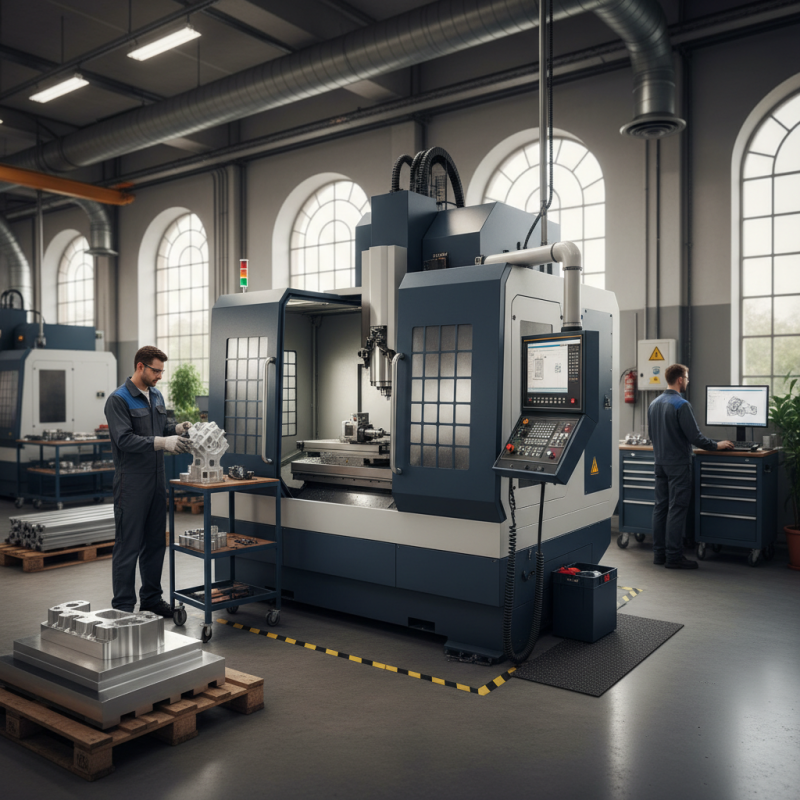
Additionally, consider the space in your workshop. A large CNC Vertical Machining Center needs ample room for operation and maintenance. Don't overlook service and support options from manufacturers. These aspects are often crucial for smooth operations. Finding a balance between all these elements is essential for success.
Factors to Consider When Choosing a CNC Vertical Machining Center
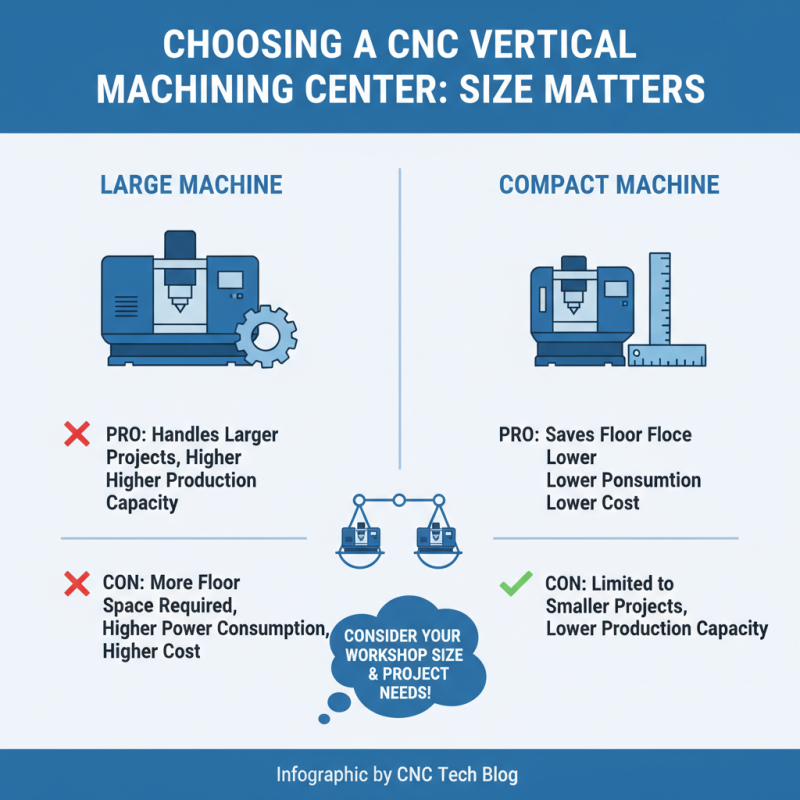
Choosing the right CNC vertical machining center requires careful consideration of several factors. One important aspect is the size of the machine. A larger machine can handle bigger projects, but it may consume more floor space. It might seem tempting to opt for a spacious model, but cramped workshops may struggle with this choice.
Another key factor is the spindle speed. Higher speeds can lead to finer finishes and quicker jobs. However, machines with extreme spindle speeds might not be necessary for all tasks. Examine your typical projects before deciding. Additionally, check the machine's rigidity. A more rigid structure can improve accuracy and lifespan, but may add to the cost.
Don't overlook control systems either. A user-friendly interface can make a big difference. Complicated controls can slow down production, creating frustration. Remember to assess your workshop’s specific needs, as these factors will vary significantly. The best choice is one that fits your unique requirements and workflow. Reflection on past projects can guide your choice effectively.
Understanding Different Types of CNC Vertical Machining Centers
When selecting a CNC vertical machining center, understanding the different types available is essential. Generally, there are three main types: basic, advanced, and multi-tasking. Basic machines are often sufficient for simple tasks. They are cost-effective and easy to operate. However, they may lack precision for complex designs.
Advanced models offer enhanced features, such as higher spindle speeds and better automation. These systems can handle intricate parts but come with a higher price tag.
Multi-tasking centers integrate milling and turning capabilities. They save production time and space. Yet, they require skilled operators who can maximize their potential. An industry report indicates that about 40% of manufacturers still prefer basic machines due to limited budgets. This statistic shows a gap between demand for innovation and the financial constraints many businesses face. Additionally, operators must regularly update their skills to keep up with the sophisticated technology in advanced models.
While many options exist, finding the right fit can be challenging. Not every shop needs the latest technology. Evaluating your production needs and budget remains critical. Even with advanced machinery, operational inefficiencies can arise without proper training. Therefore, balancing technology investment with workforce capability is key. Consider your shop's unique requirements before making a decision, as the right choice varies greatly from one operation to another.
Assessing Your Workshop's Space and Power Requirements
When selecting a CNC vertical machining center, assessing your workshop's space and power requirements is crucial. A compact workshop may limit your options. If the machine is too large, it could disrupt workflow. Measure your available space accurately. Leave room for operator access and maintenance. This ensures smooth operation and reduces safety hazards.
Power requirements also play a vital role. Calculate your workshop's electrical capacity before purchasing. A CNC machine often requires considerable power. Insufficient power can lead to machine malfunction. It's essential to check your current electrical setup. You might need upgrades, which can be costly. Also, consider the layout. Ensure that the power source is conveniently located.
Workshops often face challenges with both space and power. Some machines might not fit or operate effectively. It's important to research thoroughly. Speak with professionals or consult experts. Realize that while efficiency matters, practicality is just as important. Balancing your workshop's limitations with your ambitions is key.
Bar Chart: Power Requirements vs. Space Requirements for CNC Vertical Machining Centers
Evaluating CNC Machining Center Features and Specifications
When selecting a CNC vertical machining center, understanding features and specifications is crucial. Focus on the machine's travel dimensions. These measurements dictate the maximum size of the workpieces you can handle. Smaller machines are ideal for tight spaces, while larger models accommodate bigger parts. Balancing size and capacity is key.
Precision is another vital aspect. Look for machines with high repeatability and accuracy ratings. This detail can significantly impact your production quality. It's worth noting that more features may not always mean better performance. Sometimes, simpler machines can deliver impressive results for specific tasks.
**Tip:** Assess tooling options and compatibility. Some machines offer better tooling support than others. You may save costs long-term by choosing a model that uses common tools.
Consider the machine's control interface as well. User-friendly software can reduce the learning curve, speeding up your workflow. A complex interface can frustrate operators, delaying projects.
**Tip:** Get feedback from current users before deciding. Real-world insights uncover strengths and flaws that data sheets may overlook.
Comparing Budget Constraints and Long-term Investment Benefits
When considering a CNC vertical machining center, budget constraints often dominate the conversation. Balancing costs with potential long-term benefits is crucial for any workshop. Lower-priced machines might seem attractive at first. However, they can lead to higher operational costs and lower productivity. A thorough analysis of total ownership costs should always be part of the decision-making process.
Tip: Assess the required features and capabilities before making a purchase. A machine that meets your needs today may not suffice for tomorrow's demands. Consider potential upgrades as technology advances. This approach can save money in the long run.
Long-term investments tend to offer superior value. Higher-end models often boast better precision and durability. Cheaper alternatives might require more frequent repairs, leading to downtime. Each workshop must weigh immediate savings against future expenses. This balancing act can reveal that shorter lifespans and extra maintenance may not be worth the initial savings.
Tip: Calculate your expected output and maintenance costs over time. If a more expensive model has a longer lifespan, it may end up being the better choice. Reflecting on these factors can help avoid regrets later. Strive for a balance that supports growth and efficiency in your workshop.
How to Choose the Right CNC Vertical Machining Center for Your Workshop?
| Feature |
Budget CNC |
Mid-Range CNC |
High-End CNC |
| Price Range |
$10,000 - $30,000 |
$30,000 - $80,000 |
$80,000+ |
| Max Workpiece Size |
500mm x 500mm |
800mm x 800mm |
1,200mm x 1,200mm |
| Spindle Speed |
8,000 RPM |
10,000 RPM |
12,000 RPM |
| Feed Rate |
5,000 mm/min |
10,000 mm/min |
20,000 mm/min |
| Tool Capacity |
10 Tools |
20 Tools |
30 Tools |
| Control System |
Basic Control |
Mid-range Control |
Advanced Control with Automation |
| Warranty |
1 Year |
2 Years |
3 Years |