Why Choose a CNC Horizontal Machining Center for Your Manufacturing Needs?
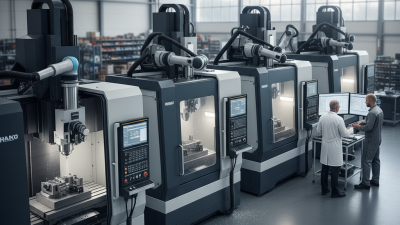
In today's competitive manufacturing landscape, choosing the right equipment is vital. A CNC Horizontal Machining Center stands out as a preferred option. This machinery offers precision and efficiency, making it essential for various industries. Its design allows for easier access to parts and better chip removal, increasing productivity.
Many manufacturers find that CNC Horizontal Machining Centers reduce cycle times significantly. They improve the quality of end products by maintaining tight tolerances. Investing in this technology means investing in reliability and expertise. However, not all operations may need this advanced setup. Assessing specific manufacturing needs is crucial to determine its suitability.
While there are numerous benefits, challenges exist. The initial costs can be high, and proper training is necessary for effective operation. Understanding these factors helps manufacturers make informed decisions. Ultimately, a CNC Horizontal Machining Center could be the key to transforming production capabilities.
Understanding CNC Horizontal Machining Centers and Their Benefits
CNC horizontal machining centers are essential tools in modern manufacturing. They offer unique advantages over traditional vertical machines. One key aspect is their ability to handle bulk materials with precision. This makes them ideal for creating complex parts efficiently.
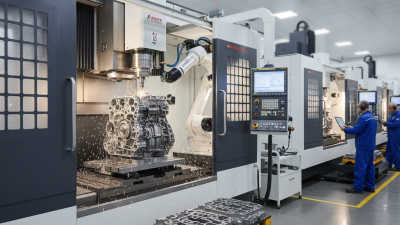
The design of horizontal machining centers allows for increased chip removal. This means higher productivity during operations. They can work on multiple sides of a workpiece without needing repositioning. This results in less downtime.
Tip: Consider evaluating your production volume. If you're working with larger batches, a CNC horizontal machining center might be beneficial.
Another benefit is reduced tool wear. The horizontal setup keeps the cutting tools engaged more consistently. This can lead to longer tool life and lower replacement costs.
Tip: Regular maintenance is crucial. Ensuring your machine is in top condition can prevent unexpected downtimes.
While CNC horizontal machining centers can be a significant investment, the efficiencies they introduce can justify the cost. It’s essential to weigh the initial expense against the long-term benefits.
Key Advantages of Using CNC Horizontal Machining in Manufacturing
CNC horizontal machining centers are increasingly popular in modern manufacturing. These machines enhance efficiency in various industries. A study by the American Machinist shows that CNC machining can improve productivity by up to 30%. This increase often stems from faster cycle times and reduced setup times.
One key advantage of CNC horizontal machining is precision. Horizontal machining centers can accommodate larger workpieces. They often feature multiple tool holders, allowing simultaneous operations. According to industry reports, this reduces machining time by about 50%. Such efficiency gains are essential for meeting tight production schedules.
However, not all operations benefit equally. The initial investment can be high, and training staff may require significant time and resources. Companies should weigh these factors against the long-term benefits. It is crucial to assess specific needs and production volumes. Adopting CNC horizontal machining without careful consideration can lead to misaligned expectations. Balancing investment and capability is vital for realizing the full potential of this technology.
Key Advantages of Using CNC Horizontal Machining
Comparative Analysis: CNC Horizontal vs. Vertical Machining Centers
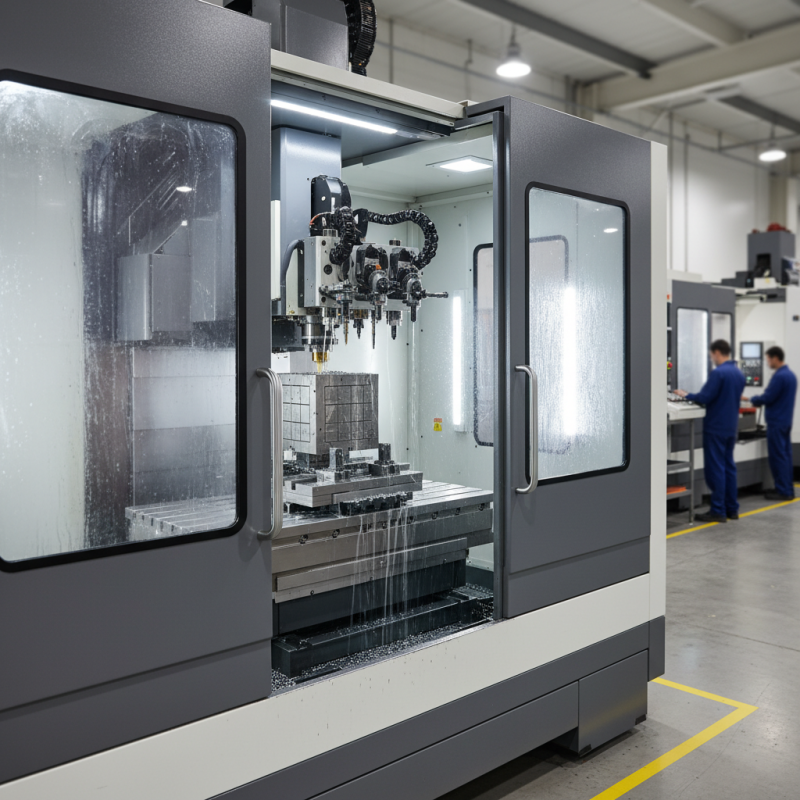
CNC horizontal machining centers offer distinct advantages over their vertical counterparts. They excel in creating deeper cuts and handling larger workpieces. This design allows for better chip removal, reducing downtime for cleaning. In a busy manufacturing environment, this efficiency can significantly enhance productivity.
The orientation of horizontal centers often leads to improved accuracy. Workpieces can be clamped and secured more effectively. This stability minimizes vibrations during machining, thus improving the finish quality. However, setting up these machines can be more complex and time-consuming compared to vertical centers. This might pose a challenge for teams with limited expertise.
Cost is another factor to consider. Horizontal machining centers generally have a higher initial investment. However, their long-term benefits might offset upfront costs. Investing in a horizontal center may not be necessary for every project. Assessing the specific needs of your production line is essential. Each manufacturing scenario has unique requirements that dictate the choice of machines.
Applications of CNC Horizontal Machining Centers Across Industries
CNC horizontal machining centers have become vital in many manufacturing industries. Their design allows for efficient use of space while ensuring precision and speed in part production. In aerospace manufacturing, these machines can effortlessly handle large components, like wings and fuselage sections. They reduce setup time and enhance accuracy, which is critical for safety.
In the automotive sector, CNC horizontal machining centers produce complex engine blocks and transmission housings. These components require tight tolerances to ensure optimal vehicle performance. The machines' ability to operate continuously means higher productivity. However, the challenge lies in maintenance and operator training. Skilled technicians are essential to keep the machinery running smoothly.
The medical industry also relies on these machines. They manufacture intricate surgical instruments and implants that require precision. Errors can lead to severe consequences, making quality control paramount. As technology evolves, manufacturers must stay updated with machine advancements. Embracing innovation can lead to improvements, but complacency can lead to costly mistakes.
Factors to Consider When Selecting a CNC Horizontal Machining Center
Selecting a CNC horizontal machining center requires careful consideration. The design and orientation can significantly impact productivity.
Horizontal machining centers are known for their superior chip removal capabilities and rigidity. According to a report from the National Institute of Standards and Technology, horizontal setups can increase machining efficiency by up to 20%.
Additionally, serviceability is vital. Operators should look for centers that offer easy access for maintenance. In the latest industry survey, 32% of users reported that ease of maintenance influenced their purchasing decisions. This is crucial for minimizing downtime and maximizing operational efficiency.
Capacity and size also matter. It is important to assess the size of the parts you will be machining. A mismatch could lead to inefficient workflows. Some manufacturers may rush the selection process, resulting in suboptimal choices. The ideal CNC horizontal machining center should align with both current and future production needs. Your choice can shape your production capabilities for years to come.