How to Choose the Best 5 Axis Machining Center for Your Needs?
Choosing the right 5 Axis Machining Center is essential for success in various industries. Mike Johnson, a renowned expert in machining technology, once stated, "Selecting the right equipment can make or break your production efficiency." This quote highlights the critical impact of making informed decisions.
Investing in a 5 Axis Machining Center involves various factors. Each machine has unique features. Those features must align with your specific requirements. You need to consider aspects such as size, speed, and accuracy. Each option presents its advantages and challenges. It's easy to feel overwhelmed by choices.
Understanding your needs is key. It's crucial to analyze your production processes. Think about your projects and future plans. A machine that works today may not fit tomorrow. Reflecting on these details ensures a better match. Ultimately, investing wisely leads to long-term benefits in productivity.
Factors to Consider When Selecting a 5 Axis Machining Center
When choosing a 5 axis machining center, several factors are critical. The size of your workspace is one of the most important. Ensure the machine fits your workshop dimensions. Consider the weight and stability of the machine as well. Heavy machines often yield better precision.
Tooling capability matters too. Check if the center can accommodate different types of tools. Flexibility can enhance your operations. Evaluate spindle speed and power. Higher speeds allow for quicker machining, but this also can be a double-edged sword.
Tips for selection: Always assess the control software. User-friendly software can reduce the learning curve. Test the machining center if possible. Observing its performance firsthand can reveal insights. Lastly, think about maintenance. A center that requires frequent repairs will hinder productivity. Reflect on your ongoing support and training needs as well.
How to Choose the Best 5 Axis Machining Center - Factors to Consider
| Factor |
Description |
Importance Level |
Considerations |
| Type of Materials |
Understanding the materials you will be machining, such as aluminum, titanium, or plastics. |
High |
Ensure the machine can handle the specified materials effectively. |
| Workpiece Size |
Determine the size and weight of the parts you will be producing. |
Medium |
Check the machine's capacity against typical workpiece dimensions. |
| Accuracy and Precision |
The level of detail and repeatability required in the machining process. |
High |
Consider machines with higher accuracy ratings for tight tolerances. |
| Budget |
The total amount allocated for purchasing the machining center. |
High |
Set a budget that considers potential additional costs like tooling and maintenance. |
| Software Compatibility |
Ensure that the machining center's software can interface with your design programs. |
Medium |
Look for machines that support commonly used CAD/CAM software. |
| Vendor Support |
Evaluate the support services provided by the vendor including training and maintenance. |
Medium |
Choose a vendor with a good reputation for customer service. |
| Machine Features |
Assess additional features such as tool changers, spindle speed, and automation options. |
Medium |
Select features that align with your specific production needs. |
Understanding the Types of 5 Axis Machining Centers Available in the Market
When exploring the types of 5 axis machining centers available, it's crucial to understand the main categories. There are both vertical and horizontal models. Each has distinct benefits based on your workspace and project requirements. Vertical centers tend to be more compact. They fit into smaller spaces but may limit the size of workpieces. Horizontal centers, on the other hand, use gravity to aid chip removal. This can enhance machining efficiency, especially for larger parts.
Moreover, 5 axis machining centers can be categorized by their setup and control mechanisms. Some utilize pallet changers for smooth workflow, while others focus on fixed setups that may require more time to adjust. Different control systems exist as well. Some offer advanced features with user-friendly interfaces, while others might be simpler but lack essential functions. Investing time into understanding these differences is vital, as the choice impacts productivity and precision. Complexities often arise when integrating new technology into existing workflows. Striking the right balance between automation and hands-on control can be challenging but rewarding.
Evaluating Precision and Accuracy Metrics in 5 Axis Machines
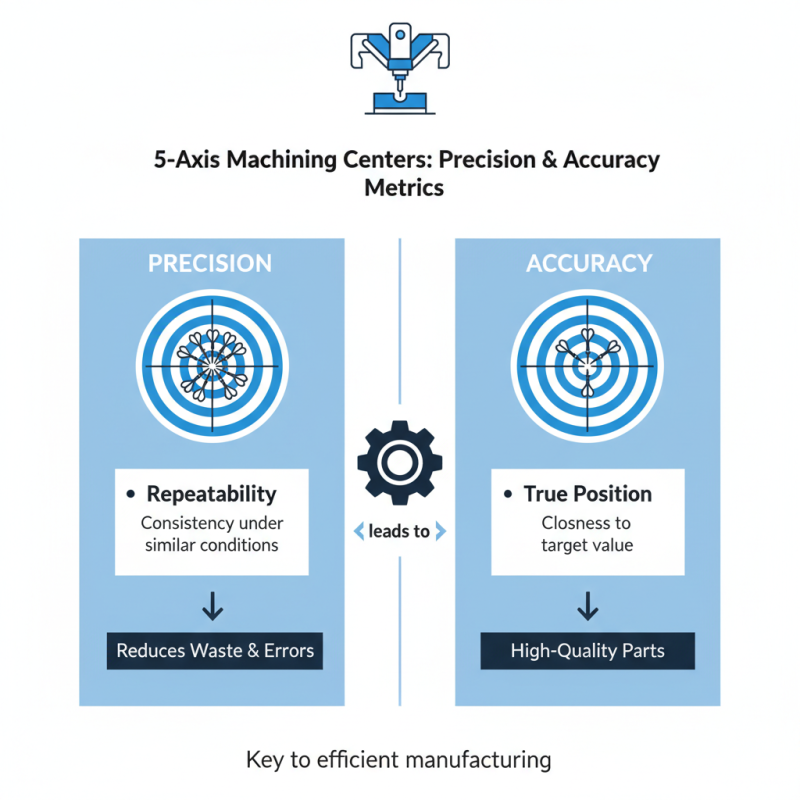
When evaluating precision and accuracy in 5-axis machining centers, several key metrics come into play. One critical factor is the machine's repeatability. This measures how consistently a machine can produce the same part under similar conditions. If a machine's repeatability is off, it can lead to waste and costly errors.
Another metric to consider is the positioning accuracy. This indicates how close the machine can position the tool relative to the intended position. Poor positioning can result in defects in the final product. It's important to look at the manufacturer’s specifications, but real-world testing is essential for assessing true performance.
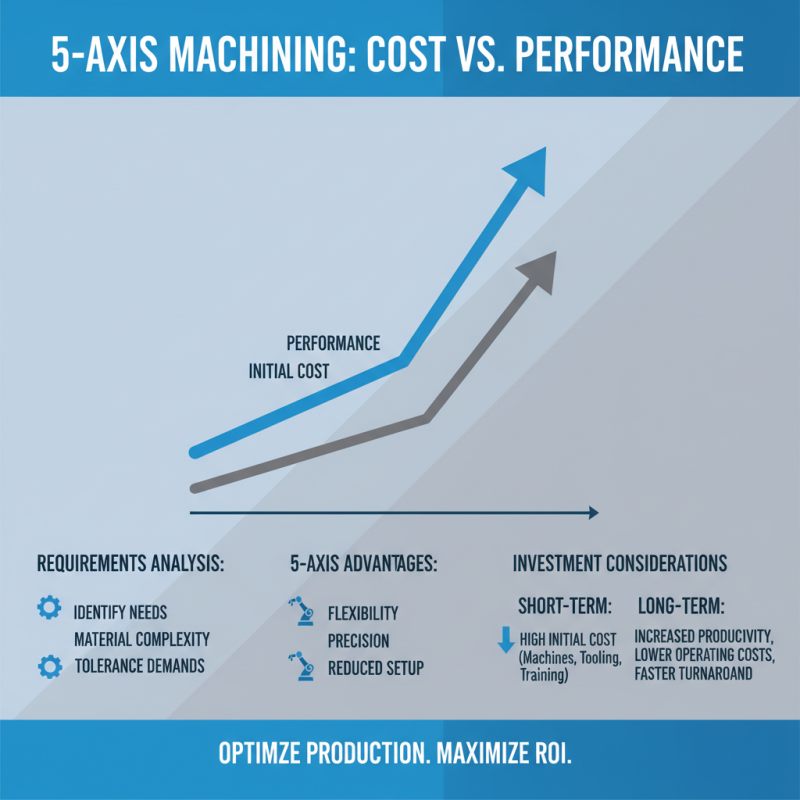
Vibration and thermal stability are also vital aspects. Excessive vibrations can affect cutting precision. Heat can cause material expansion, leading to inaccuracies. Users should evaluate how the machine performs during long runs. Investing in a machine with better thermal management may yield long-term benefits, despite the higher initial cost. Understanding these metrics will help you make an informed decision tailored to your machining needs.
Assessing the Role of Software and Control Systems in Machining Centers
Selecting the right software and control systems is crucial in a 5-axis machining center. Advanced software enables improved part programming and toolpath simulation. It enhances productivity and reduces errors during machining. A recent report by the International Journal of Advanced Manufacturing Technology noted that up to 40% of CNC machining inefficiencies can be linked to inadequate software solutions.
Control systems play a pivotal role in ensuring that machining centers perform optimally. A reliable control system supports real-time data processing and feedback mechanisms. These systems are essential for maintaining accuracy, especially in complex geometries. A study by the Association for Manufacturing Technology highlighted that proper control system integration can increase productivity by 25% in high-precision applications.
However, not all software is user-friendly. Some require extensive training and can lead to delays. Furthermore, compatibility issues between software and hardware may arise. Machine operators often face challenges adapting to updates and new features. It’s important to weigh these factors when choosing a machining center. Balancing advanced capabilities with ease of use is key to maximizing efficiency.