2026 Best Turning Center for Precision Manufacturing Excellence?
In the ever-evolving landscape of precision manufacturing, the importance of a robust Turning Center cannot be overstated. These machines serve as the backbone for many industries, producing intricate components with exceptional accuracy. Modern Turning Centers offer advanced features, such as multi-axis capabilities and automated processes, which enhance productivity and efficiency.
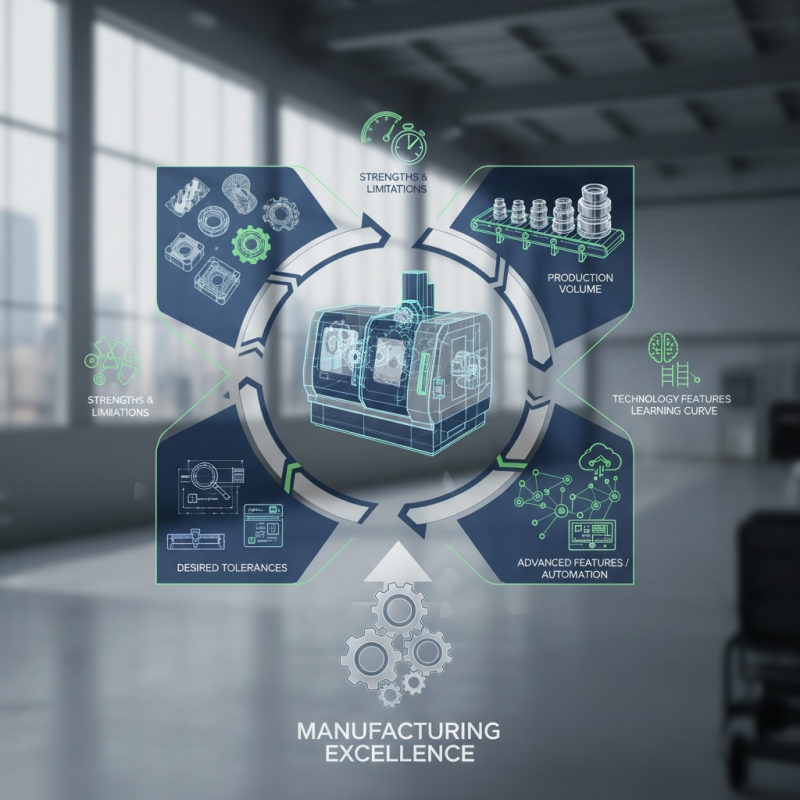
However, choosing the best Turning Center for your specific needs is not straightforward. With numerous options available, manufacturers must carefully evaluate their requirements. Factors such as material types, production volume, and desired tolerances play crucial roles in this decision-making process. It's easy to overlook these details, but they can significantly impact the final product quality.
As we delve into the top contenders for the 2026 Best Turning Center, it is essential to consider both the strengths and limitations of each model. Some options may excel in speed but sacrifice precision. Others may offer advanced technology but come with a steep learning curve. Evaluating these aspects can lead to more informed choices in the pursuit of manufacturing excellence.
Understanding Turning Centers: Definition and Functionality
Turning centers are vital in precision manufacturing. They are versatile machines that combine lathe and milling operations. This can significantly reduce manufacturing time. In fact, according to a recent report by the Manufacturing Institute, 60% of manufacturers believe that advanced technologies like turning centers enhance productivity.
When examining functionality, turning centers offer advanced capabilities. They can execute complex geometries and produce tighter tolerances. A study published in the Journal of Manufacturing Science revealed that precision in machining improves part quality by up to 30%. However, not every producer achieves this quality. Many still struggle with setup times and operator training, which can hinder efficiency.
Moreover, understanding the tools and techniques involved in turning processes is crucial. The choice of tooling can impact the final product's integrity. Manufacturers often face challenges, such as tool wear and proper material selection. Addressing these issues requires ongoing training and investment in technology. Observing both successful and unsuccessful cases of turning center operations provides valuable lessons for continuous improvement in the industry.
Key Features of Precision Turning Centers for Manufacturing
When considering the best turning centers for precision manufacturing, a few key features stand out. High spindle speeds, often exceeding 10,000 RPM, are critical. This enables efficient material removal and enhanced surface finish. According to a recent industry report, over 70% of manufacturing professionals value speed as a major factor in their equipment choices.
Additionally, accuracy is paramount. Precision turning centers should offer a repeatability of less than 5 microns. This level of accuracy ensures consistent quality and meets the stringent demands of sectors like aerospace and medical manufacturing. However, achieving such precision can be challenging due to factors like thermal expansion and user error. It's crucial to invest in good maintenance practices and employee training.
Furthermore, automation features are increasingly sought after. Systems that enable automatic tool changes save time and enhance productivity. Yet, not all facilities are ready for comprehensive automation. Many firms struggle with the integration of new technologies. It's an ongoing process that requires careful planning and adjustment to current workflows. This highlights the need for a balanced approach to adopting new features while ensuring operational readiness.
Top Brands and Models in 2026 for Precision Machining
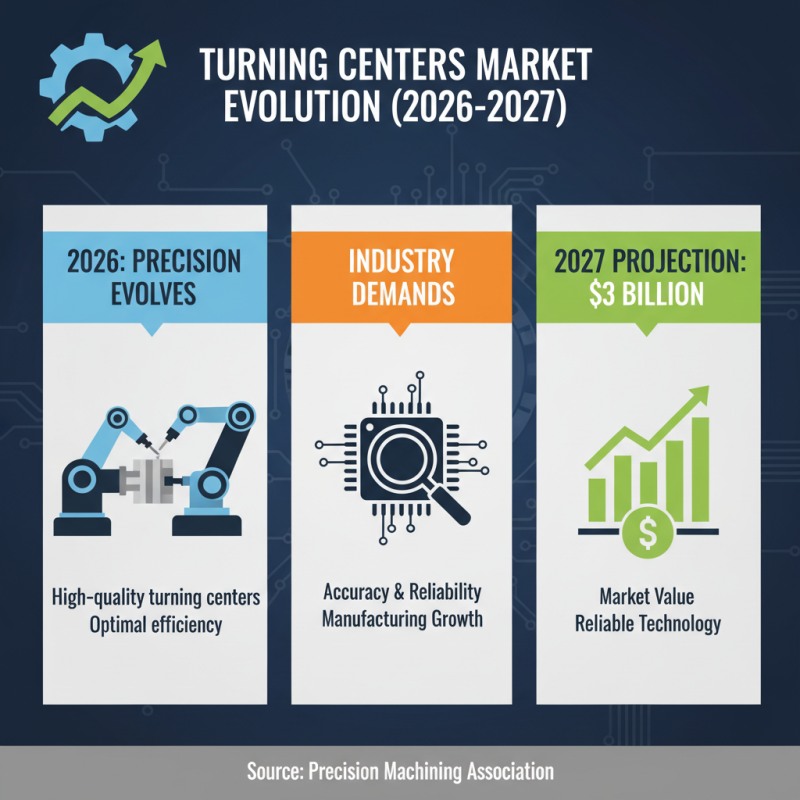
In 2026, precision machining continues to evolve. The industry demands high-quality turning centers for optimal efficiency. Several reports highlight the growing importance of accuracy and reliability in manufacturing. According to the Precision Machining Association, the market for turning centers is projected to reach $3 billion by 2027. This growth emphasizes the need for reliable technology.
When choosing a turning center, consider the machine's speed and precision. Many models now offer faster feed rates and tighter tolerances. These features can significantly improve production efficiency. A recent survey indicates that 70% of manufacturers prioritize precision to enhance their competitiveness.
Tips for selecting the right model include assessing your specific needs. Evaluate the materials you work with. Sometimes, a seemingly overlooked feature can make a significant impact. Also, factor in maintenance and support. Some models may promise high performance but lack adequate service. Always reflect on long-term costs against initial investment when deciding. Emphasis on precision often leads to better outcomes in the long run.
Technological Innovations Shaping Precision Turning Centers
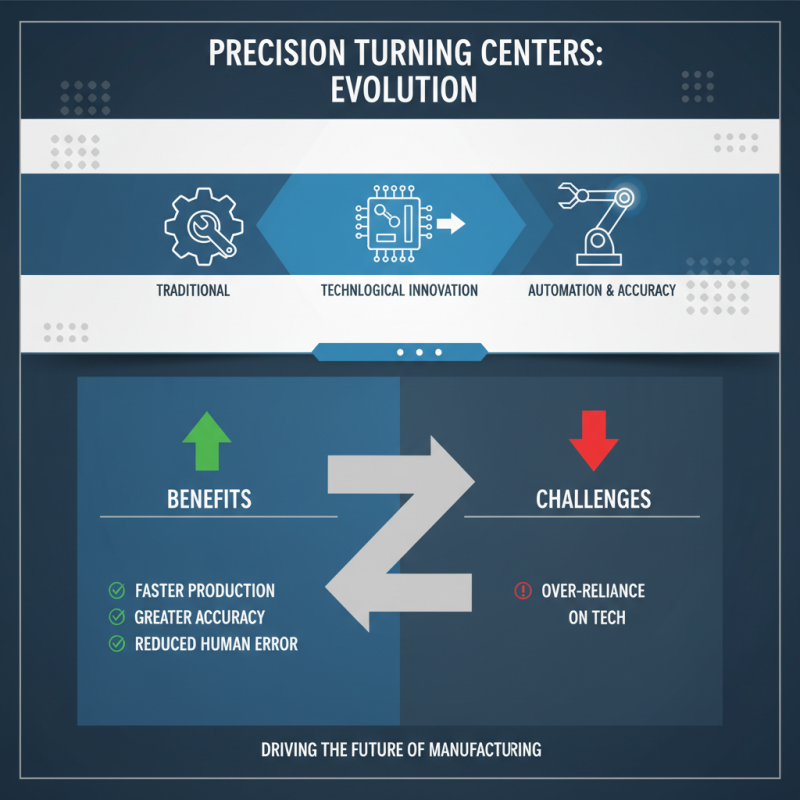
The landscape of precision turning centers is rapidly evolving. Technological innovations are driving this change. Automation is now at the forefront. Machines are being designed to work faster and with greater accuracy. This shift can help reduce human error. However, it also raises concerns about over-reliance on technology.
Advanced software plays a critical role in enhancing productivity. With real-time monitoring, operators can adjust processes on the fly. This leads to improved efficiency. Yet, this reliance on constant data can be overwhelming. Operators may feel pressure to keep up with the pace of change. Additionally, not all facilities can adapt quickly to these innovations.
New materials are also influencing precision turning. They demand different tooling solutions. Machinists must often recalibrate machines. This brings about challenges, especially for those used to traditional practices. Continuous training becomes essential. Finding the right balance between technology and skilled labor is crucial for success. Each step forward presents both opportunities and obstacles for the industry.
Applications and Industries Benefiting from Precision Manufacturing Excellence
Precision manufacturing has become a cornerstone of various industries. Many sectors, including aerospace, automotive, and medical devices, have significantly benefited. These industries demand high-quality components that meet strict tolerances. A turning center designed for precision can greatly enhance production quality.
In aerospace, precision is critical. Even slight errors can lead to catastrophic failures. Manufacturing components for engines or fuselage requires meticulous attention to detail. Companies often struggle to find the right balance between speed and accuracy. A turning center can help address these issues, yet some operators may overlook necessary maintenance, impacting performance.
Medical device manufacturing is another area needing precision. Devices like implantable products require stringent adherence to specifications. A slight deviation can affect a patient’s health. Using advanced turning centers can improve consistency. But, companies should invest in training to ensure operators understand machine capabilities. It’s essential to recognize that technology alone is not the solution; human expertise is equally important.