Top 5 Axis Machining Center Features and Benefits You Need to Know?
The demand for precision manufacturing continues to grow, driving advancements in machining technology. One key player in this field is the **5 Axis Machining Center**. This technology is revolutionizing the production processes in various industries, including aerospace, automotive, and medical equipment. According to a report by Grand View Research, the global machining centers market is expected to reach USD 7.54 billion by 2025, highlighting the increasing reliance on these sophisticated machines.
5 Axis Machining Centers offer unparalleled flexibility and precision. They can machine complex geometries that traditional 3-axis centers cannot handle efficiently. Studies have shown that using a 5 Axis system can reduce setup times by up to 70%. However, not all manufacturers fully utilize their capabilities. Many still struggle with the learning curve and programming complexities associated with these advanced machines.
Understanding the features and benefits of 5 Axis Machining Centers is crucial for any business aiming to stay competitive. Key aspects include improved surface finish, reduced lead times, and enhanced accuracy. As industries evolve, those investing in the right technologies will have a competitive edge. The decision to implement a 5 Axis Machining Center should be well thought out, considering both its benefits and the challenges it may present.
Top 5 Axis Machining Centers: An Overview of Key Features
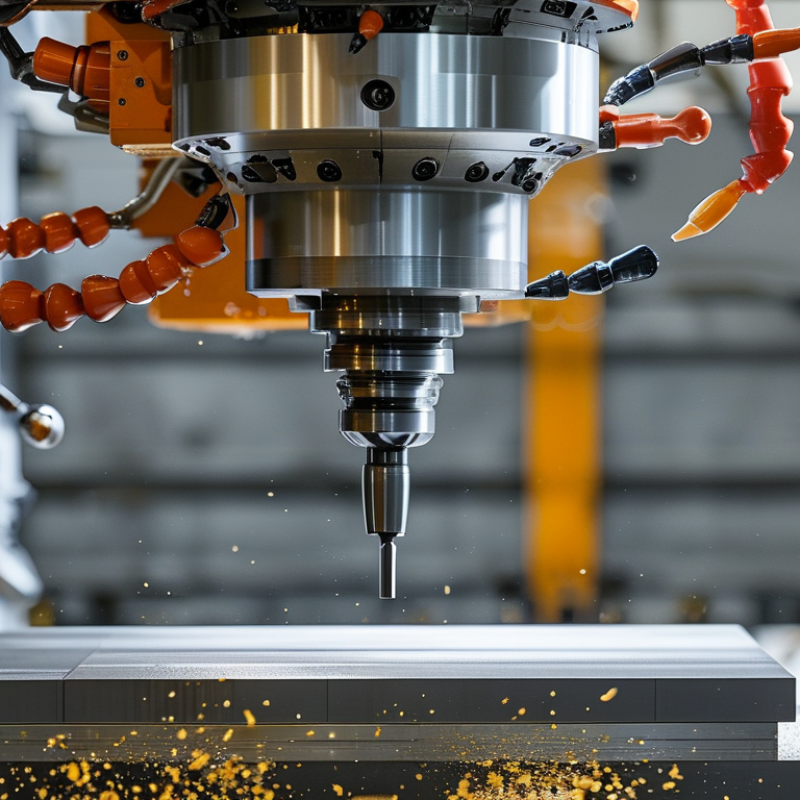
When exploring five-axis machining centers, understanding their features is crucial. These advanced machines are designed for precision and efficiency. One key feature is their ability to operate on multiple axes simultaneously. According to a report from the International Journal of Advanced Manufacturing Technology, five-axis machining can reduce machining time by up to 75%. This efficiency is vital for complex parts with intricate geometries.
Another significant aspect is the enhanced surface finish quality. Operators benefit from improved quality due to reduced tool vibrations and improved material removal rates. Studies by the Society of Manufacturing Engineers show that better surface finishes can lead to less post-processing. However, machine setup for five-axis centers can be complex, which may require specialized training. This complexity can lead to a learning curve for less experienced operators.
Accuracy is a standout feature. Five-axis machines can achieve tolerances as tight as +/- 0.005 mm. This level of precision supports high-end industries like aerospace and medical manufacturing. Still, achieving consistent accuracy demands regular maintenance and calibration. Some manufacturers may overlook this essential aspect. The potential trade-off between upfront investment and long-term precision must always be evaluated.
Top 5 Axis Machining Center Features and Benefits You Need to Know
| Feature |
Description |
Benefits |
| Multi-axis capability |
Allows machining of complex parts in a single setup |
Increases accuracy and reduces cycle time |
| High-speed spindle |
Fast rotation for efficient material removal |
Enhances productivity and surface finish quality |
| Automatic tool changers |
Equipment for quick tool swaps during machining |
Reduces downtime and increases versatility |
| Advanced CNC controls |
Smart controls for precise machining operations |
Improves machining precision and process efficiency |
| Robust construction |
Durable frame designed to withstand heavy usage |
Ensures longevity and stability during operations |
Understanding the Importance of Precision in Axis Machining Centers
Precision is essential in axis machining centers. It directly impacts product quality and manufacturing efficiency. Every detail matters when producing complex components. A slight deviation can result in defects, leading to costly reworks and delays. Understanding this importance can help manufacturers make informed decisions.
High precision allows for tighter tolerances in design. This is vital for components that fit together, such as gears or brackets. When a part is off by even one millimeter, it may cause significant issues. Accurate machining enhances the reliability of equipment. Manufacturers rely on precision to maintain competitive advantages.
However, achieving this level of precision is challenging. Factors such as machine calibration, tool wear, and operator skill play vital roles. Regular maintenance of equipment is crucial but often overlooked. It's easy to assume everything works seamlessly until a major issue arises. Reflecting on these factors can lead to improvements in both processes and outcomes.
Exploring the Benefits of Multi-Axis Capability in Manufacturing
Multi-axis machining centers revolutionize manufacturing. They allow for complex shapes to be created in a single setup, reducing time and labor costs. Imagine designing intricate parts with features that were previously impossible to achieve in one go. This capability is essential for industries such as aerospace, automotive, and medical devices.
The multi-axis capability enhances precision and accuracy. By allowing tools to move on multiple planes, it minimizes the need for re-fixturing. This leads to consistent quality across batches, which is crucial for high-demand markets. However, mastering this technology is not straightforward. Operators require specialized training to handle the complexities involved.
Integrating multi-axis machining can be daunting for some manufacturers. They may face initial hurdles in adapting to new systems. Investing in such technology can feel risky. Yet, the long-term benefits often outweigh these challenges, enabling manufacturers to stay competitive. Learning through experience and small adjustments can be key to successfully navigating this transition.
Top 5 Axis Machining Center Features and Benefits
This chart illustrates the top 5 features and benefits of multi-axis machining centers, scoring from 1 to 10 based on their advantages in manufacturing processes. Precision and complex geometry are the leading benefits, highlighting the advanced capabilities of modern machining technology.
Evaluating Speed and Efficiency in Modern Machining Centers
When evaluating speed and efficiency in modern machining centers, several features stand out.
The rapid spindle speeds are crucial for fast machining.
These speeds can significantly decrease cycle times.
Advanced tool change technology allows quick swapping of tools without lengthy downtime.
Such innovations help maintain productivity in high-demand environments.
Tips: Regular maintenance can enhance speed and efficiency.
Ensure components are lubricated and calibrated to prevent wear.
Evaluate your machining process regularly for inefficiencies.
Another important factor is the integration of automation.
Automated systems can operate continuously with minimal human intervention.
This reduces the likelihood of errors and boosts output.
However, reliance on automation can lead to skill gaps in the workforce.
Training is essential to balance technology with human expertise.
Tips: Offer ongoing training to your staff.
This helps keep their skills sharp.
Encourage them to understand the machinery well.
Cost-Benefit Analysis: Investing in Advanced Machining Technology
Investing in advanced machining technology offers substantial returns. According to a recent report from a leading industry analysis firm, companies that upgrade to high-performance axis machining centers can experience efficiency gains of up to 30%. These enhancements often lead to lower per-part manufacturing costs, improving overall profitability.
However, such investments come with a significant initial cost. Many manufacturers report hesitance due to budget constraints. For instance, studies show that nearly 40% of companies delay technology upgrades due to financial uncertainty. This creates a dilemma: investing now to gain long-term benefits versus maintaining existing systems and risking obsolescence.
On average, organizations that adopt cutting-edge machining solutions see ROI within two to three years. The improved precision and reduced waste can offer tangible savings. Local machining firms, for example, reported reduced cycle times and increased output. Yet, companies must also consider employee training and integration times. Balancing these factors is vital when evaluating the cost-benefit landscape of advanced machining technologies.