Why Choose a 5 Axis Cnc Lathe for Precision Machining?
In precision machining, choosing the right equipment is vital. A 5 Axis CNC Lathe stands out for its versatility and accuracy. This machine allows for complex part designs that would be impossible with traditional lathes. With five axes of movement, it can create intricate shapes and precise cuts in a single setup.
Many manufacturers struggle to adapt their processes. The 5 Axis CNC Lathe simplifies this. It reduces the need for multiple machines and setups, saving time and resources. However, the initial investment can be high. Some companies hesitate to make the leap, fearing it won't meet their specific needs.
In today's competitive market, the advantages of a 5 Axis CNC Lathe often outweigh concerns. Improved productivity leads to better products and satisfied customers. Every precision engineer must consider if this technology aligns with their goals. It's important to evaluate different options carefully. Making informed decisions can lead to significant benefits in the long run.
Understanding the Basics of 5 Axis CNC Lathes in Precision Machining
In precision machining, the role of 5-axis CNC lathes has become increasingly crucial. These lathes enable intricate part designs that traditional machines struggle to achieve. According to a 2022 market report by Wohlers Associates, the growth of 5-axis technology is expected to rise by 20% annually. This highlights the escalating demand and significance of advanced machining capabilities.
5-axis CNC lathes provide flexibility and accuracy. They can create complex geometries with less labor and reduced setup times. This efficiency can lead to a 50% reduction in machining cycles, as stated in a recent study by the Association for Manufacturing Technology. However, they also come with challenges. Operators need extensive training to master this technology. Misalignment can lead to costly errors and rework.
Using 5-axis lathes may initially involve higher costs. However, the potential return on investment can be substantial. In sectors like aerospace and medical device manufacturing, precision can save millions over time. According to various industry analysts, the demand for such precision in component manufacturing continues to rise. Yet, the technology is not infallible. Manufacturers must be diligent. Embracing such advanced equipment requires a balance of skill, investment, and ongoing assessment of capabilities.
Key Advantages of Using 5 Axis CNC Lathes Over Traditional Methods
5 Axis CNC lathes offer distinct advantages for precision machining. These machines operate on multiple axes, enabling complex geometries with ease. Traditional lathes may struggle with intricate designs. They often require manual setups for each angle, making the process slower and less efficient.
The flexibility of 5 Axis CNC lathes is remarkable. They can change tool positioning automatically. This reduces downtime and enhances production speed. In contrast, traditional methods often face alignment challenges. Small errors can lead to significant defects. A 5 Axis machine minimizes these risks, leading to higher quality outputs.
Another consideration is the learning curve. While 5 Axis lathes can be complex, the investment in training pays off. Operators need to adapt to new software and processes. However, the long-term benefits often outweigh initial struggles. It’s important to recognize that not every job requires the advanced capabilities of a 5 Axis machine. Analyzing project needs is key to a successful operation.
Advantages of 5 Axis CNC Lathes Over Traditional Methods
This chart illustrates the key advantages of using 5 axis CNC lathes over traditional machining methods. Each advantage is measured on a scale from 0 to 100, demonstrating the effectiveness of 5 axis technology in enhancing precision machining.
Applications of 5 Axis CNC Lathe in Various Industries
The 5-axis CNC lathe plays a crucial role in various industries. It excels in creating complex parts with high precision. For the aerospace sector, it enables the production of intricate components like turbine blades. These parts often have unique shapes, requiring advanced machining capabilities. The ability to operate on multiple axes reduces setup time and increases efficiency.
In the medical device field, precision is vital. The 5-axis CNC lathe can create small, detailed parts that meet stringent regulatory standards. Surgical instruments, implants, and prosthetics must be manufactured with accuracy. A minor error can lead to significant consequences in patient care. However, reliance on technology can sometimes lead to overlooking manual quality checks.
In the automotive industry, this machinery makes various components, from engine parts to body panels. Complex geometries are common in modern vehicles. While the 5-axis lathe is powerful, it is not infallible. Operators must remain vigilant, as machine calibration issues may arise. Regular maintenance and inspections are essential. Continuous evaluation of machining processes can lead to improvements, making this technology even more effective.
Why Choose a 5 Axis CNC Lathe for Precision Machining? - Applications of 5 Axis CNC Lathe in Various Industries
| Industry |
Applications |
Precision Benefits |
Material Types |
| Aerospace |
Engine components, airframe parts |
High accuracy and complex geometries |
Aluminum alloys, titanium |
| Automotive |
Transmission parts, custom fittings |
Consistency and repeatability |
Steel, plastics |
| Medical |
Surgical instruments, implants |
Precision for safety and efficacy |
Stainless steel, biocompatible materials |
| Electronics |
Connectors, housings |
Intricate designs with minimal tolerance |
Copper, aluminum |
| Marine |
Propeller shafts, hull fittings |
Resistance to wear and corrosion |
Bronze, stainless steel |
Factors to Consider When Choosing a 5 Axis CNC Lathe
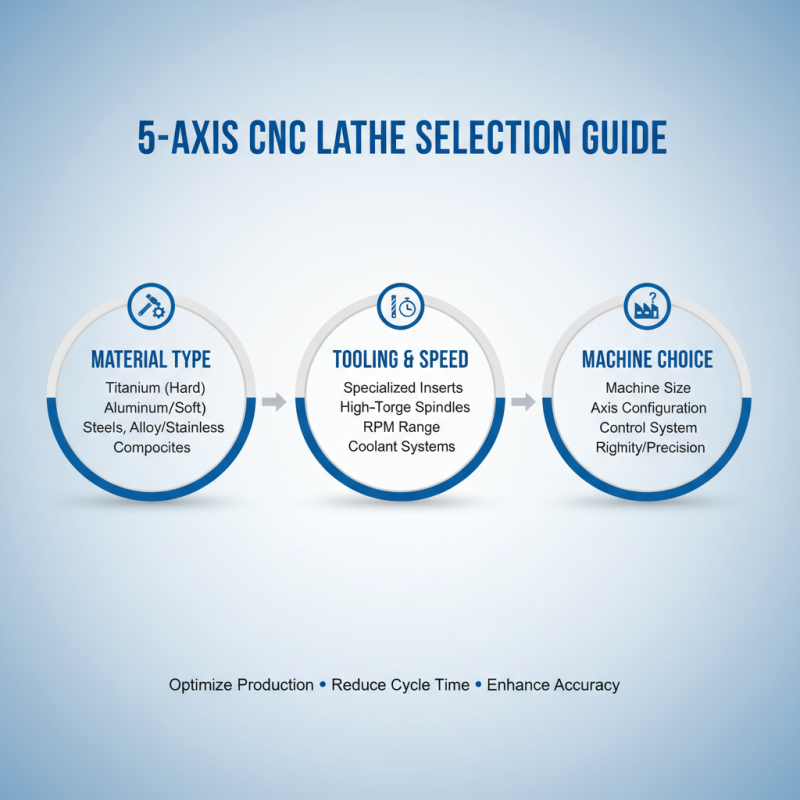
When selecting a 5 axis CNC lathe, several crucial factors come into play. Understanding the type of materials to be machined is vital. Different materials require different tooling and speeds. For example, titanium needs special tools compared to aluminum. The choice of machine will depend largely on this need.
Precision is key in machining. However, achieving precision is not always straightforward. The accuracy of the CNC lathe can vary depending on its design and condition. It's essential to consider the machine's specifications. Pay attention to the spindle speed and torque, as these determine the lathe's performance.
Another aspect to reflect on is the ease of use of the CNC software. A complex interface can frustrate operators and increase the chances of mistakes. Accessibility to training and support is important. Some machines lack comprehensive guides, which can hinder productivity. Overall, choosing a 5 axis CNC lathe requires careful thought and consideration of many factors.
Maintenance and Care Tips for 5 Axis CNC Lathes to Ensure Longevity
Proper maintenance is crucial for 5 axis CNC lathes. Regular tasks include cleaning, lubrication, and inspection. A report by the Manufacturing Technologies Association indicates that proper maintenance can extend machine life by up to 40%. This is essential in a field where precision is paramount.
Keeping the components clean is a simple yet effective method. Dust and debris can obstruct precision movements. Daily checks can help catch issues early. Lubrication is not just about reducing friction. It also helps prevent wear on vital parts. Ensure that all moving components receive adequate oil or grease.
Another critical aspect is software updates. Many operators neglect this, but outdated software can lead to errors. Data from industry sources show that 30% of machine downtime is related to software issues. Operator training is also necessary for proper maintenance. If operators lack skills, even a well-kept machine can falter. Regular workshops can be beneficial. Investing time in training pays off in efficiency and precision.